MD Psychiatry Resident, MBBS
Share this story
The pink salt weight loss recipe has exploded on TikTok, Instagram, and YouTube. Many influencers claim that drinking Himalayan pink salt mixed with water can "boost metabolism," "melt belly fat," or "flush toxins."
But is there any truth behind these claims?
The short answer is no. While Himalayan pink salt can be part of a balanced diet, there is no scientific evidence that a pink salt drink causes weight loss on its own. Let's separate fact from fiction.
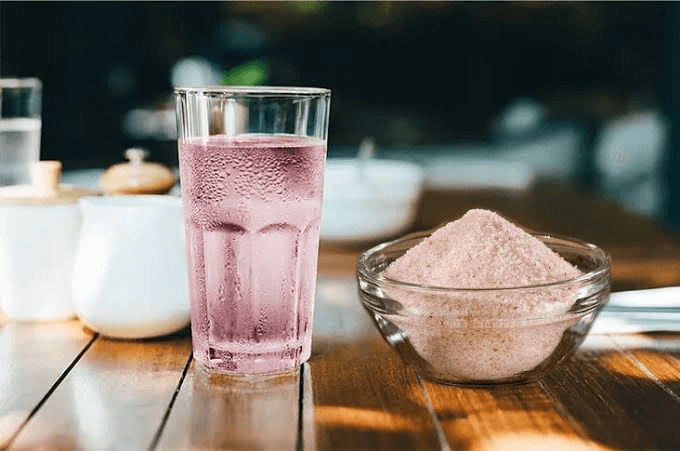
What is the pink salt recipe for weight loss?
The most common recipe includes:
1 glass (250–300 ml) of water
¼ teaspoon Himalayan pink salt
Juice from half a lemon (optional)
A pinch of ginger or apple cider vinegar (optional)
Many people drink it first thing in the morning, believing it improves hydration, digestion, and fat burning.
While this drink may help some people start the day hydrated, its ingredients don't directly burn body fat.
Does pink salt help with weight loss?
Not directly. Weight loss happens when you consistently burn more calories than you consume.
Pink salt contains trace amounts of minerals like potassium, magnesium, and calcium, but the amounts are too small to create meaningful health or weight-loss effects.
Drinking pink salt water may temporarily:
Encourage hydration
Replace small amounts of electrolytes after heavy sweating
Make you feel fuller before breakfast
However, none of these effects increase fat burning enough to cause noticeable weight loss.
Why do some people think it works?
Several reasons explain the popularity of the trend.
Better hydration
Many people wake up slightly dehydrated. Drinking water in the morning can improve energy and reduce feelings of hunger that are actually thirst.
Healthier morning habits
People who drink a pink salt beverage often also begin eating healthier, exercising more, and paying attention to their diet. Those lifestyle changes—not the salt itself—are usually responsible for any weight loss.
Temporary water-weight changes
Changes in sodium and water intake can briefly affect water retention, making the scale fluctuate without changing body fat.
Are there any risks?
Yes. Even natural salts contain sodium.
Too much sodium may increase blood pressure and contribute to fluid retention, especially in people with hypertension, kidney disease, or heart conditions.
Most people already consume more sodium than recommended, so adding extra salt without a medical reason is generally unnecessary.
Better ways to lose weight
If your goal is sustainable fat loss, focus on habits that are backed by research:
Eat enough protein to stay full and preserve muscle.
Fill half your plate with vegetables.
Exercise regularly with a mix of strength training and cardio.
Drink enough water throughout the day.
Get 7–9 hours of quality sleep.
Maintain a modest calorie deficit instead of relying on viral "fat-burning" drinks.
These strategies consistently outperform any single ingredient or trending recipe.
Final thoughts
The pink salt weight loss recipe is unlikely to harm healthy adults when consumed occasionally in small amounts, but it isn't a magic solution for fat loss.
If you enjoy the taste, drink it as part of a healthy routine—not because you expect it to burn fat. Long-term weight loss comes from consistent nutrition, regular physical activity, adequate sleep, and sustainable habits, not from one morning drink.
Before trying any weight-loss trend, ask whether it is supported by good science. In most cases, simple lifestyle changes will deliver far better results than viral recipes.
Got questions? Ping me on LinkedIn.