
MD Psychiatry Resident, MBBS
Share this story
Cardiovascular disease remains the leading cause of death worldwide. Yet many people focus on losing weight, building muscle, or counting calories while overlooking the organ system that keeps everything alive: the heart and blood vessels.
The good news? Your daily food choices can dramatically influence your cardiovascular health. What you eat affects blood pressure, cholesterol levels, inflammation, blood sugar, and even the flexibility of your arteries.
In this guide, I'll explain why cardiovascular health matters, how nutrition influences heart function, and what practical dietary habits can help protect your heart for years to come.
What is cardiovascular health?
Cardiovascular health refers to the health of your heart and blood vessels.
A healthy cardiovascular system efficiently delivers oxygen and nutrients throughout the body while removing waste products. When this system is compromised, the risk of heart attacks, strokes, hypertension, and other chronic diseases rises significantly.
Key markers of good cardiovascular health include:
Healthy blood pressure
Healthy cholesterol levels
Normal blood sugar levels
Good circulation
Low chronic inflammation
Healthy body weight
Regular physical activity
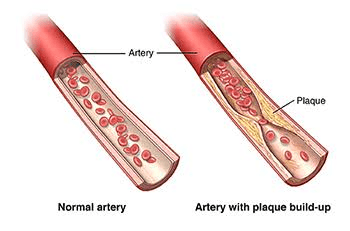
Think of your cardiovascular system as your body's transportation network. If roads become blocked or damaged, traffic slows down. Similarly, clogged or unhealthy arteries force your heart to work harder.
Why cardiovascular health matters
The bottom line: a healthy heart influences nearly every aspect of your well-being.
When cardiovascular health declines, the consequences extend far beyond heart disease.
Better energy levels
Your cells rely on oxygen-rich blood to produce energy. Efficient circulation means your muscles and organs receive the fuel they need to function optimally.
People with poor cardiovascular fitness often experience:
Fatigue
Shortness of breath
Reduced exercise capacity
Slower recovery
Lower risk of chronic disease
Poor cardiovascular health is linked to:
Heart disease
Stroke
Type 2 diabetes
Kidney disease
Cognitive decline
Improving cardiovascular health often reduces the risk of multiple conditions simultaneously.
Improved longevity
Research consistently shows that individuals with higher cardiovascular fitness tend to live longer and maintain better quality of life as they age.
It's one of the closest things we have to a long-term health investment.
How nutrition affects cardiovascular health
Nutrition influences almost every major risk factor for heart disease.
Food doesn't just provide calories. It also affects hormones, inflammation, blood vessel function, cholesterol transport, and blood pressure regulation.
Let's look at the biggest ways nutrition impacts heart health.
Cholesterol management
Certain dietary patterns help maintain healthy cholesterol levels.
Foods rich in soluble fiber, such as oats, beans, and lentils, can help lower LDL ("bad") cholesterol by reducing its absorption in the digestive tract.
Meanwhile, excessive intake of trans fats and highly processed foods may negatively affect cholesterol balance.
Blood pressure regulation
Minerals such as potassium, magnesium, and calcium help regulate blood pressure.
Foods rich in these nutrients include:
Bananas
Potatoes
Spinach
Beans
Yogurt
Excess sodium intake, particularly from ultra-processed foods, can contribute to elevated blood pressure in many individuals.
Inflammation control
Chronic inflammation plays a major role in cardiovascular disease.
Heart-friendly foods often contain compounds that help reduce inflammation, including:
Omega-3 fatty acids
Polyphenols
Antioxidants
Fiber
Foods such as fatty fish, berries, nuts, olive oil, and vegetables are particularly beneficial.
Blood sugar stability
Frequent spikes in blood sugar can damage blood vessels over time.
Eating balanced meals that include:
Protein
Fiber
Healthy fats
can help improve blood sugar control and support cardiovascular health.
The best foods for heart health
You don't need exotic superfoods to support your heart.
Many of the most effective heart-friendly foods are affordable and widely available.
Fatty fish
Examples include:
Salmon
Sardines
Mackerel
Trout
These fish provide omega-3 fatty acids, which support heart rhythm, reduce inflammation, and may lower triglyceride levels.
Fruits and vegetables
Aim for a variety of colors.
Different colors contain different antioxidants that support cardiovascular function.
Examples:
Berries
Oranges
Tomatoes
Spinach
Broccoli
Carrots
Whole grains
Whole grains provide fiber, vitamins, and minerals.
Good choices include:
Oats
Brown rice
Whole wheat
Quinoa
Barley
Nuts and seeds
Nuts and seeds offer healthy fats, fiber, and plant compounds that support heart health.
Examples:
Almonds
Walnuts
Pistachios
Chia seeds
Flaxseeds
Legumes
Beans, lentils, chickpeas, and peas provide an excellent combination of protein and fiber.
They're particularly useful for replacing processed meats and other foods high in saturated fat.
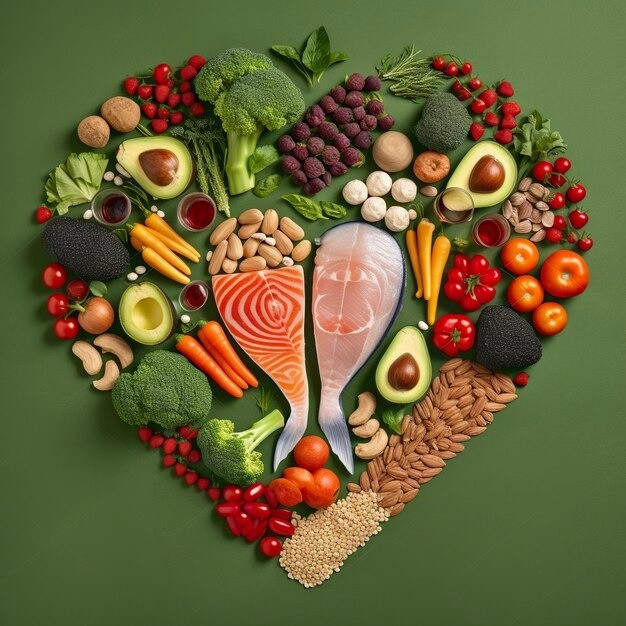
[Image showing heart-healthy foods arranged on a table]
Foods that may harm cardiovascular health
No single food causes heart disease. However, dietary patterns matter.
Regularly consuming large amounts of the following may increase cardiovascular risk:
Ultra-processed foods
Examples include:
Packaged snacks
Sugary cereals
Fast food
Processed desserts
These foods often contain excessive sodium, refined carbohydrates, and unhealthy fats.
Sugar-sweetened beverages
Frequent consumption of:
Soda
Sweetened tea
Energy drinks
has been associated with increased cardiometabolic risk.
Excessive processed meats
Examples include:
Sausages
Bacon
Hot dogs
Salami
These foods are often high in sodium and preservatives.
Excess alcohol
While moderate consumption may fit into some lifestyles, excessive alcohol intake can increase blood pressure and cardiovascular risk.
The Mediterranean diet: one of the best eating patterns for heart health
When I look at nutrition research, one dietary pattern repeatedly stands out: the Mediterranean diet.
The Mediterranean diet emphasizes:
Vegetables
Fruits
Whole grains
Beans
Olive oil
Nuts
Fish
while limiting highly processed foods and excessive added sugar.
Studies consistently associate this pattern with lower rates of cardiovascular disease and improved overall health.
The reason isn't a single miracle food.
It's the combination of nutrient-dense foods working together over time.
Practical nutrition habits for a healthier heart
Heart health isn't built through perfection.
It's built through small decisions repeated consistently.
Fill half your plate with vegetables
Vegetables provide fiber, potassium, antioxidants, and relatively few calories.
Prioritize protein quality
Choose more:
Fish
Legumes
Greek yogurt
Lean poultry
and fewer highly processed meat products.
Replace refined grains with whole grains
Small swaps add up:
Brown rice instead of white rice
Oats instead of sugary cereal
Whole grain bread instead of white bread
Cook more meals at home
Home-cooked meals typically contain less sodium, added sugar, and unhealthy fats than restaurant or takeaway meals.
Track nutritional patterns
Many people underestimate sodium, saturated fat, and calorie intake.
Using the Zorest Macro app's AI Meal Logger can help identify nutritional patterns that affect cardiovascular health. You can log meals through text, voice, photos, barcodes, or food labels and quickly see how your daily choices align with your health goals.
Lifestyle factors that work alongside nutrition
Nutrition is powerful, but it works best when combined with other healthy habits.
Support your cardiovascular system by:
Exercising regularly
Getting adequate sleep
Managing stress
Avoiding smoking
Maintaining a healthy body weight
Think of nutrition as one pillar of heart health rather than the entire structure.
Final thoughts
Cardiovascular health affects everything from energy levels and exercise performance to longevity and disease risk.
The encouraging part is that improving heart health doesn't require extreme diets or complicated rules. Consistently eating more fruits, vegetables, whole grains, legumes, nuts, and healthy fats can significantly improve many cardiovascular risk factors over time.
Start with one small change this week. Add a serving of vegetables to lunch, replace a sugary drink with water, or swap a processed snack for fruit and nuts. Small actions performed consistently often create the biggest long-term results.