
MD Psychiatry Resident, MBBS
Share this story
This article is for general information, not personalized medical advice. Talk to a doctor or pharmacist before starting any supplement, especially if you're pregnant, nursing, managing a chronic condition, or on prescription medication.
More than three in ten U.S. adults already take a multivitamin most mornings, and most of them couldn't tell you whether it's doing anything at all. That's the real problem with this category in 2026. Every bottle on the shelf promises "comprehensive support" and "21 essential nutrients," and exactly none of that copy tells you whether a 28-year-old marathoner, a 61-year-old on blood thinners, and a vegan in her first trimester should be reaching for the same capsule.
Spoiler: they shouldn't. At least one of those three probably shouldn't be reaching for any of the nine products below.
I spend a lot of time going through ingredient panels and lab-testing certificates, partly because hundreds of Zorest Macro users ask me some version of "which multivitamin should I take" every month. Here are the nine that earned a spot on this list, organized by who actually needs each one, not by who paid for the nicest photo shoot.
What actually matters when picking a multivitamin
Here's the bottom line up front: the best multivitamin is the one whose dose matches a gap you actually have, verified by an independent lab, in a form your body can use. Everything else is packaging.
Four things separated the genuinely good options from the merely loud ones.
Third-party verification. The FDA classifies supplements as food, not drugs, which means a company can print "1,000 IU of vitamin D" on a label that actually contains 400, and nobody checks unless that company opts into independent testing. A USP Verified mark, an NSF Certified seal, or a Labdoor or ISO 17025 lab report are the only real signals that what's on the bottle matches what's in the capsule.
Bioavailable nutrient forms. Folic acid and methylfolate aren't interchangeable, and neither are cyanocobalamin and methylcobalamin, the active form of B12. Cheaper formulas default to the synthetic versions because they're cheaper to manufacture, not because they work as well.
Dosing that matches the demographic, not the marketing department. Men generally shouldn't supplement iron unless bloodwork says otherwise, since excess iron builds up in the body and is linked to organ damage rather than extra energy. A good men's formula leaves it out. A good women's formula, where menstruation creates a real and recurring iron deficit, includes it.
Restraint on fat-soluble vitamins. A, D, E, and K get stored in fat tissue instead of flushed out the way B vitamins and vitamin C are. There's no performance upside to megadosing them, only a slow accumulation toward toxicity. The NIH's vitamin D fact sheet is a good reality check before you stack multiple D-containing products on top of each other.
One honest caveat before the list. The U.S. Preventive Services Task Force concluded in 2022 that current evidence is insufficient to say multivitamins prevent cardiovascular disease or cancer in healthy adults with no specific deficiency. Taking one is still a reasonable choice. Expecting it to do a job it was never designed for is the actual mistake. A multivitamin's real job is filling a specific, identifiable gap, not replacing a vegetable.
That's also where tracking helps more than guessing. I run Zorest Macro's AI Meal Logger against my own diet every few months, and it's saved me from buying supplements for nutrients I was already hitting through food, while flagging a real magnesium shortfall I wasn't expecting. Log a representative week before you buy anything below. You'll know whether any of these nine actually matches a gap you have, instead of a gap a marketing team invented for you.
The 9 best multivitamins in 2026, at a glance
Pick | Best for | Cost | What sets it apart |
Thorne Basic Nutrients 2/Day | Overall | ~$1.20/day | NSF Certified, bioavailable forms, just 2 capsules |
Ritual Essential for Women 18+ | Women | ~$1.10/day | USP Verified, backed by an Auburn University trial |
Ritual Essential for Men 18+ | Men | ~$1.10/day | Same transparency model, no unnecessary iron |
Centrum Silver 50+ | Healthy aging | ~$0.11/day | Studied in the largest multivitamin trial ever run |
Nature Made Multi | Tight budgets | Under $0.10/day | USP Verified at a near-unbeatable price |
Garden of Life mykind Organics | Vegan diets | Mid-range | 30+ organic whole foods, lichen D3, methylfolate |
Centrum MultiGummies Multi+ Omega-3 | Pill-averse | ~$0.15–0.29/day | Bundles omega-3 into the chew |
Legion Triumph Sport Multivitamin | Active lifestyles | Premium | Labdoor-certified free of banned substances |
Seed DM-02 Daily Multivitamin | Gut health + nutrients | ~$1.33/day | Built to pair with a synbiotic, not fight it |
Here's the full breakdown, starting with the one I'd hand to a friend with zero context.
1. Best overall: Thorne Basic Nutrients 2/Day
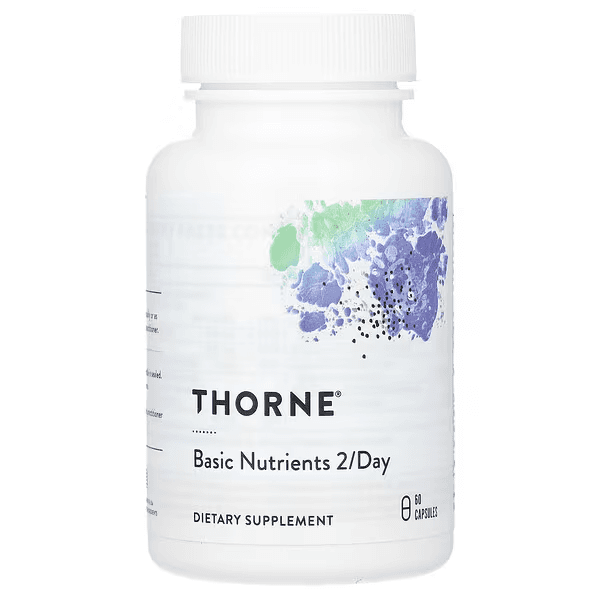
If you want one comprehensive, well-verified multivitamin and you don't want to think about it again, this is it.
Two capsules a day cover 21 vitamins and minerals, with zinc and chromium in glycinate form and B vitamins in their active versions instead of the cheaper synthetic ones. It carries NSF Certification, and it costs around $36 for a 30-day supply, or roughly $1.20 a day.
The catch is also the reason it's not for everyone. Each serving delivers 2,000 IU of vitamin D and a meaningful dose of vitamin K, and vitamin K can blunt the effect of anticoagulants like warfarin. If you're on a blood thinner, talk to whoever manages it before adding this, or any vitamin K-containing multi, to your routine.
2. Best for women: Ritual Essential for Women 18+
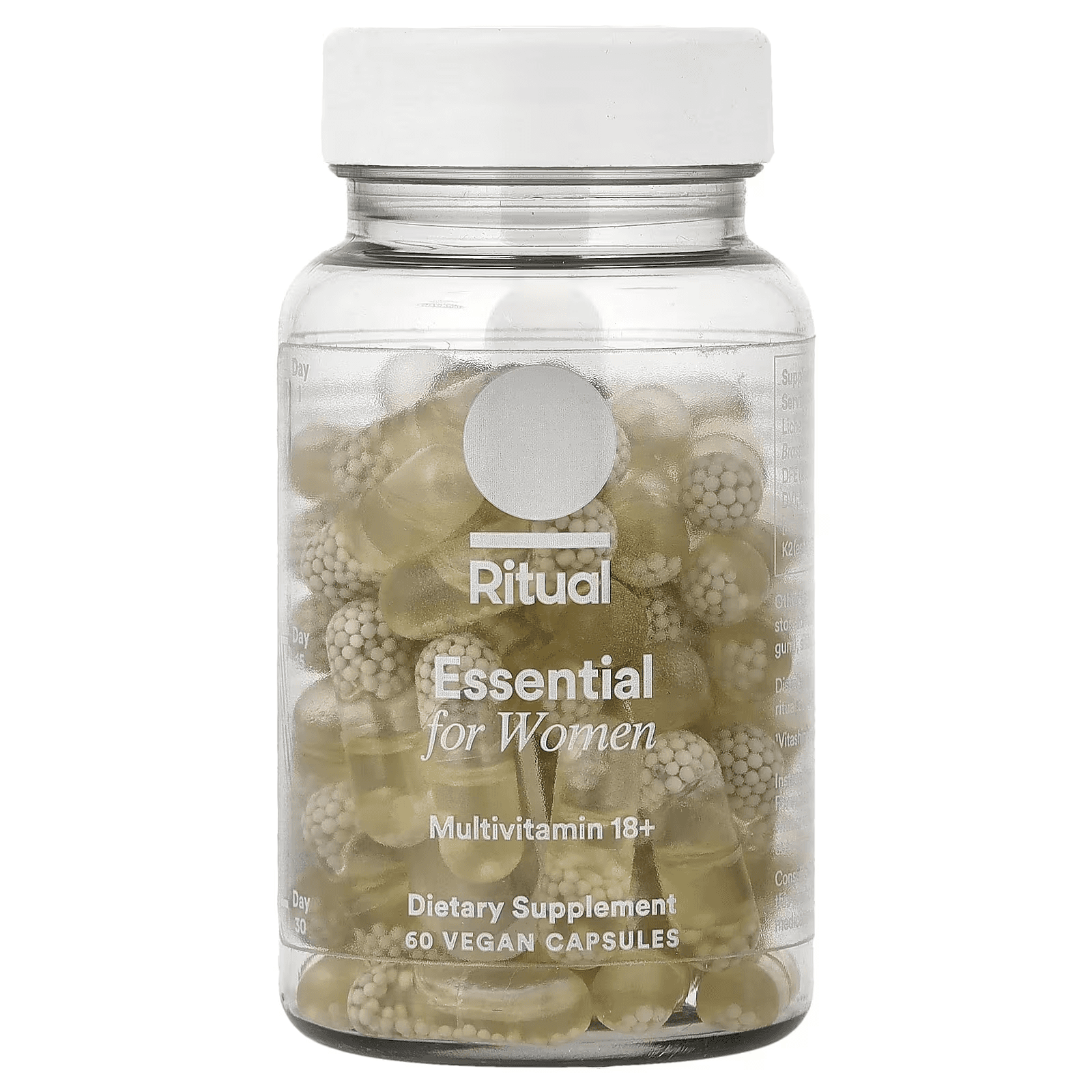
Ritual skips the kitchen-sink approach and bets everything on doing nine to fifteen nutrients exceptionally well, which is either refreshing or underwhelming depending on what you walked in expecting.
The formula leans on methylated folate instead of folic acid, traceable sourcing for every ingredient, and a vegan, mint-flavored capsule. It's USP Verified, a certification none of the three best-selling women's multivitamins on the market currently carry. A double-blind, placebo-controlled trial run at Auburn University found that women taking it for 12 weeks raised their vitamin D levels by 43% and their omega-3 levels by 41% compared to placebo.
At roughly $33 a month, you're paying a premium for transparency and absorption, not breadth. It skips calcium and a broader mineral panel entirely, so if that's where your gap actually is, look elsewhere on this list.
3. Best for men: Ritual Essential for Men 18+
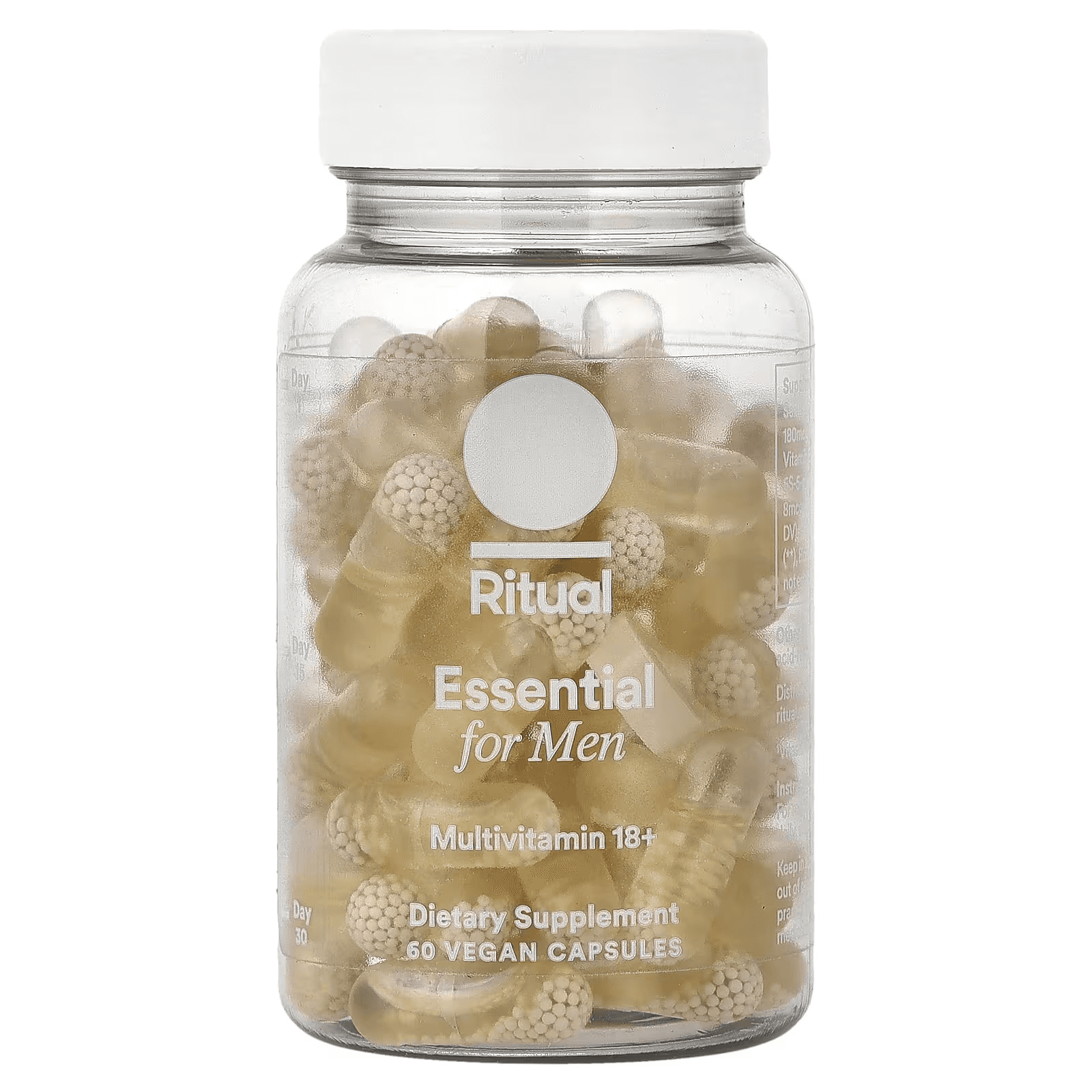
Same philosophy as the women's formula, minus the iron you don't need, plus a male-specific nutrient lineup.
Ritual's men's version swaps in zinc, vitamin D3, B12, vitamin A, and K2 instead of the iron and folate emphasis of the women's formula, recognizing something the kitchen-sink brands often miss: men's and women's nutrient gaps aren't the same gaps wearing different packaging. Same vegan capsule, same traceable sourcing, same roughly $33 monthly price.
If your diet is reasonably varied and your last bloodwork came back normal, a $12-a-month basic multi covers most of the same functional bases. Ritual earns its premium specifically if you want methylated, lab-verified forms without doing that research yourself.
4. Best for healthy aging: Centrum Silver 50+
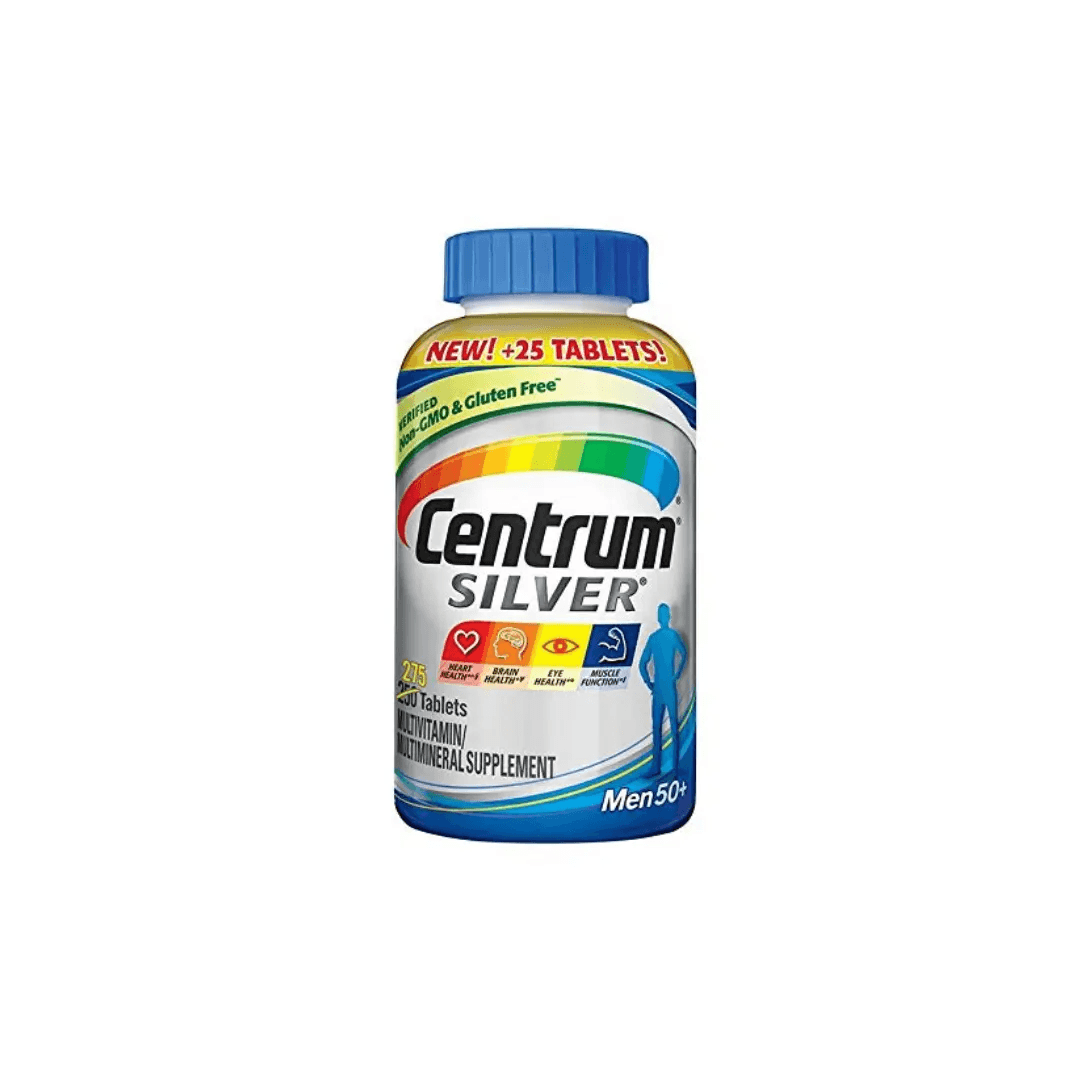
This is the only multivitamin on this list with a genuine large-scale clinical trial behind it.
The COSMOS trial, published in 2023, enrolled more than 21,000 adults over 60 and included a cognitive sub-study finding that participants randomized to a daily multivitamin showed memory performance roughly three years younger than the placebo group after three years of use. It's the largest multivitamin trial ever conducted, and it used this exact formula.
Centrum Silver 50+ is iron-free, appropriately, since most adults over 50 don't need supplemental iron, and it's built around 1,000 IU of vitamin D3 plus B12, magnesium, and zinc. The honest tradeoff: it uses folic acid and cyanocobalamin instead of the methylated forms Thorne and Ritual use, so absorption is slightly less efficient for some people. At roughly $11 for a 100-count bottle, that's a small price for trial-grade evidence at drugstore pricing.
5. Best for tight budgets: Nature Made Multi
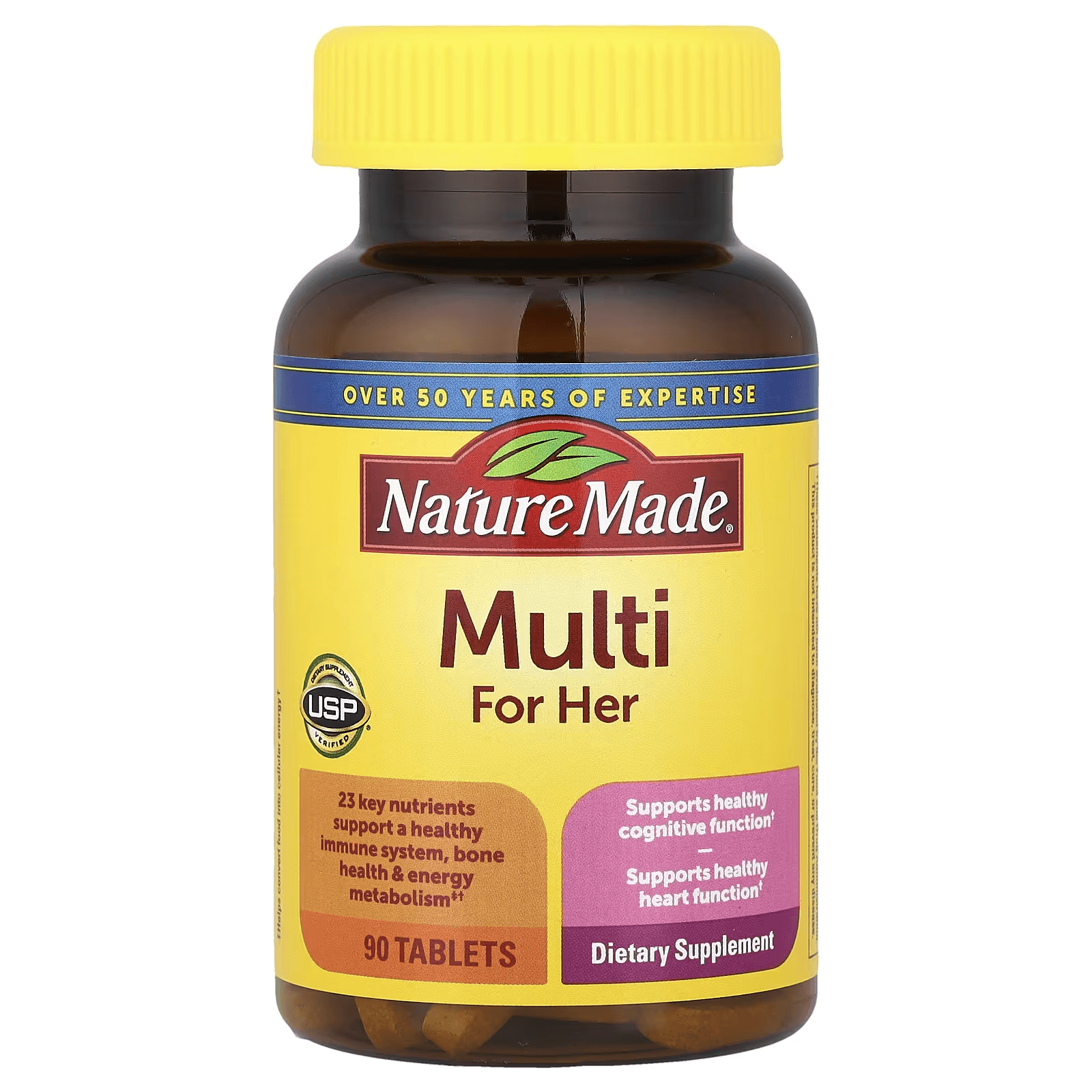
Nothing about this multivitamin is exciting, and that's exactly the point.
Nature Made's standard formulas (Multi for Her, Multi for Him) cover 13 essential vitamins and minerals across all eight B vitamins, the fat-solubles, and several key minerals, and they carry USP Verification, the same certification standard Thorne uses. At roughly $7 to $13 for a 130- to 150-day supply, you're looking at well under a dime a day for a third-party-verified product.
The nutrient forms aren't the most absorbable on this list (oxide-form magnesium and folic acid instead of methylfolate, for instance), and that's the honest tradeoff for the price. If your diet is reasonably solid and you just want basic, verified insurance, this is genuinely good enough. Cheap and useless aren't the same thing here.
6. Best for vegan diets: Garden of Life mykind Organics Once Daily
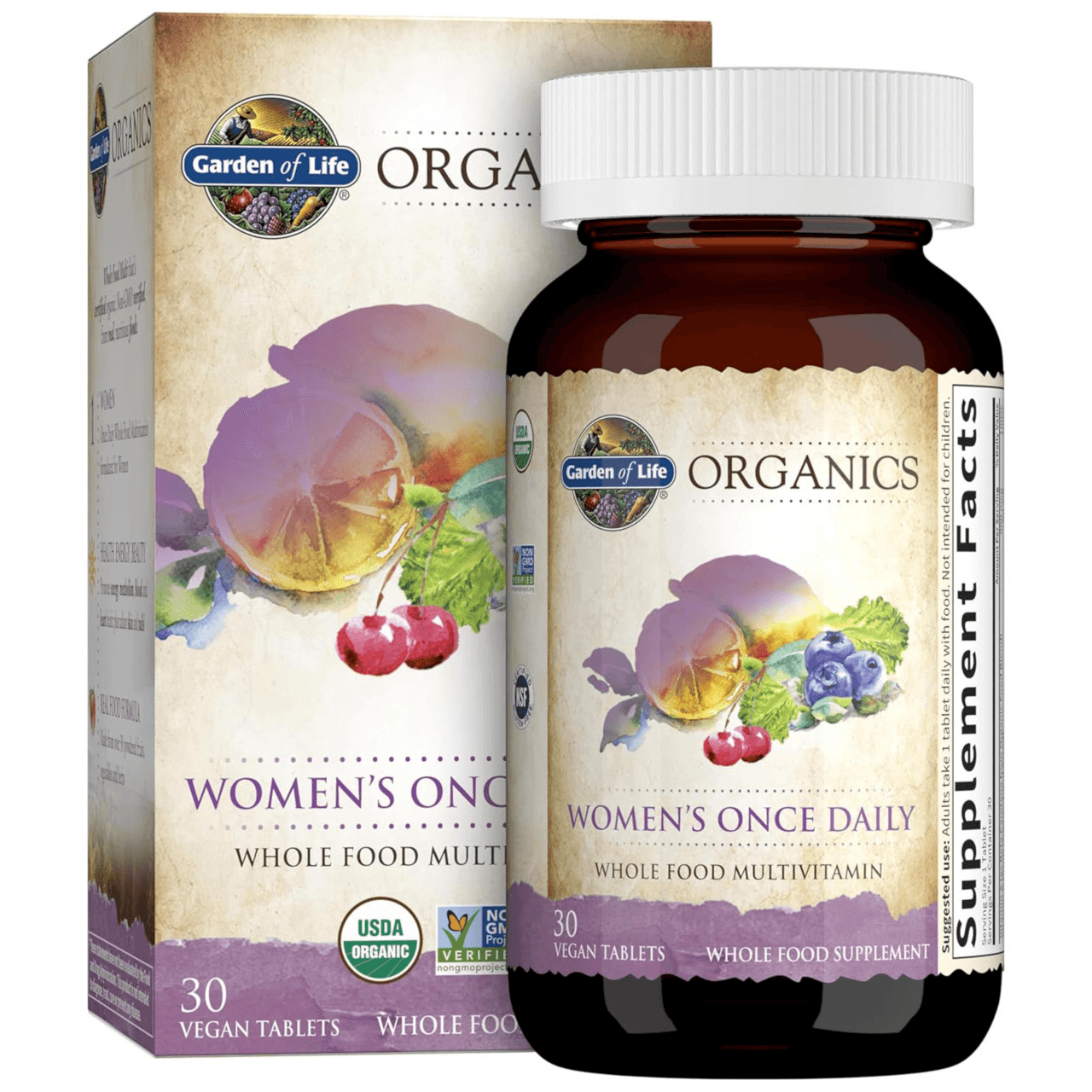
Most "vegan" multivitamins still use vitamin D3 sourced from sheep's wool lanolin, which is a strange thing to learn after you've already committed to a plant-based label.
Garden of Life's mykind Organics line is built from more than 30 certified organic whole foods, and it's USDA Certified Organic, Certified Vegan, and Non-GMO Project Verified, three labels that rarely show up together. It uses lichen-derived D3, the only vitamin D3 source that's actually plant-based, plus methylcobalamin B12 in a meaningfully high dose and methylfolate instead of folic acid.
This won't fully solve every plant-based gap. Omega-3 DHA and EPA still need a separate algae-based supplement, and menstruating vegans should check the iron content against the 18mg daily target rather than assuming any multivitamin covers it automatically. But for the core B12, D, and folate gaps that plant-based eating actually creates, this is the most thoughtfully built option on the market, priced in the same range as Thorne and Ritual.
7. Best for pill-averse adults: Centrum MultiGummies Multi+ Omega-3
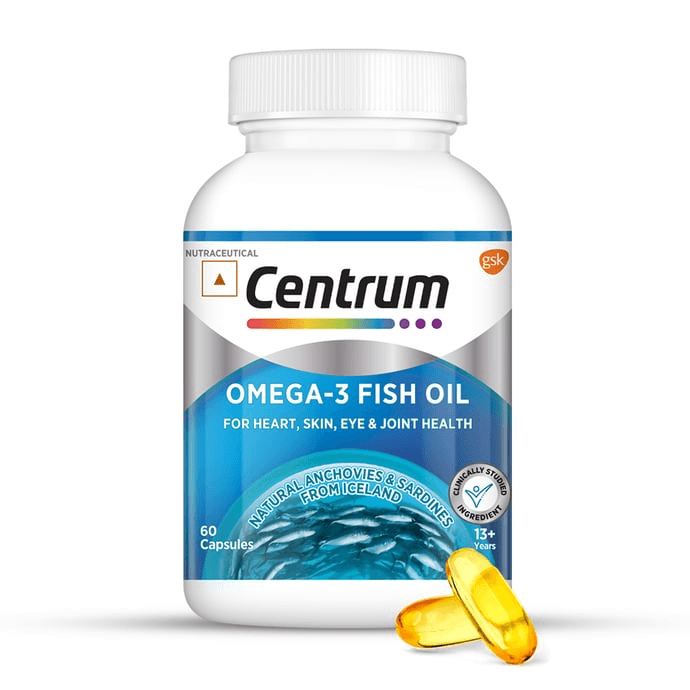
If the reason you've never kept up with a multivitamin is the size of the pill, not the price or the formula, this solves your actual problem.
Centrum's gummy line bundles omega-3 into the same chew, so you skip a separate fish oil capsule entirely. A 110-count bottle runs around $16 retail, often closer to $6 to $9 with a subscribe-and-save discount, landing in roughly the same daily-cost range as the tablet version.
Here's the tradeoff nobody puts on the front of the bottle. Gummies physically can't hold a full mineral dose. Iron and calcium are typically left out or reduced, because the amounts needed would turn the gummy bitter or brick-like. If those are nutrients you specifically need, a gummy format probably won't get you there no matter which brand you pick.
8. Best for active lifestyles: Legion Triumph Sport Multivitamin

Built for people who get tested, literally, not just people who lift.
Legion's men's formula covers 20 vitamins and minerals, the women's version covers 22, and both are dosed at levels the company ties to specific published research rather than bare minimums, including often-skimped nutrients like K1, K2, zinc, magnesium, iodine, and chromium. The entire line is tested by Labdoor and independently certified to contain no contaminants or banned substances, which matters if you're a competitive athlete subject to drug testing, and is reassuring even if you're not.
The honest catch: dosing is eight capsules a day, split into two servings, a real pill burden compared to Thorne's two or Ritual's one. If swallowing eight capsules daily sounds like a chore rather than a routine, this isn't the pick for you, regardless of how clean the formula is.
9. Best multivitamin-plus-gut-health combo: Seed DM-02 Daily Multivitamin
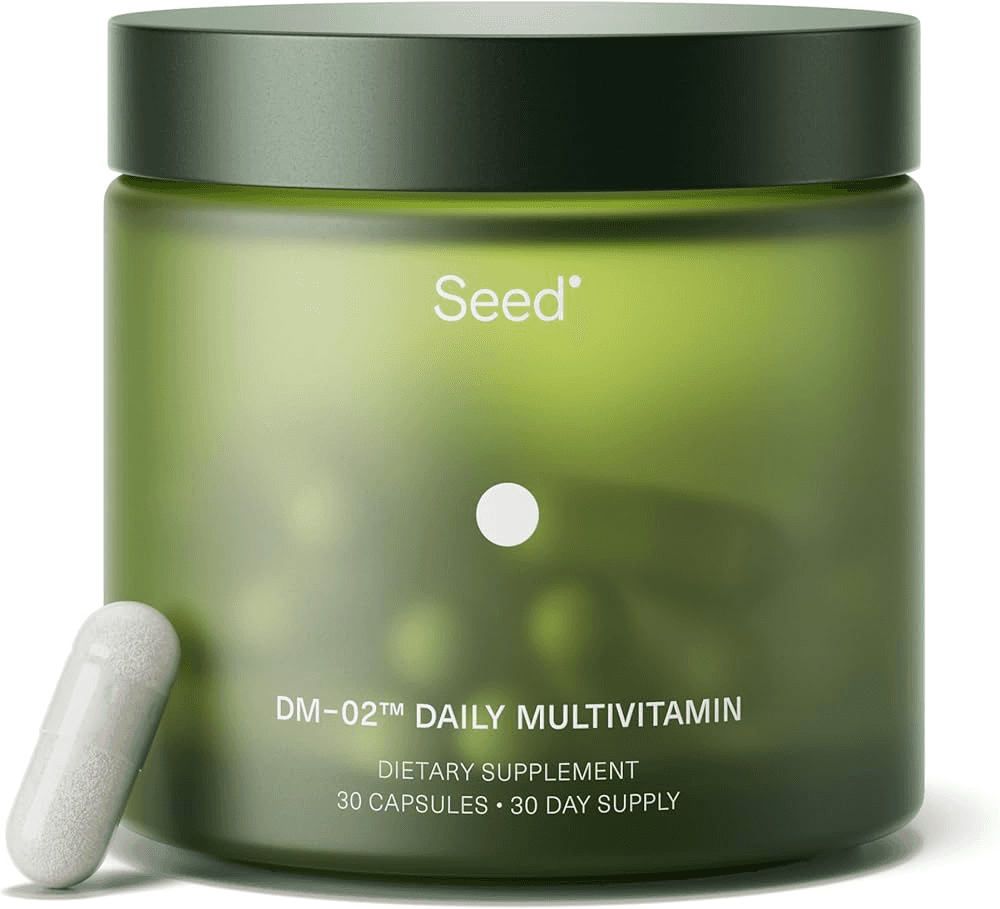
Built for people who already think about their gut bacteria as much as their B12 levels.
DM-02 delivers 100% of the daily value for 20 essential vitamins and minerals in a vegan capsule, priced at roughly $40 a month, or bundled with Seed's DS-01 synbiotic for about $67 a month at a 25% discount. The brand markets it as formulated to support the microbiome rather than overwhelm it with unnecessary megadoses. Treat that specific claim as the company's positioning rather than an independently verified clinical outcome, since the underlying research on multivitamin dosing and the microbiome is still early.
If digestive symptoms are actually what's driving you toward a multivitamin in the first place, it's worth a detour before you buy. We've broken down the most common gut trigger foods separately, and identifying one specific culprit might solve more than any capsule will.
Where a multivitamin can't help you
None of the nine capsules above are a substitute for a doctor, a blood test, or a vegetable.
If you're pregnant or could become pregnant, skip every product on this list. Prenatal formulas exist because pregnancy creates specific, higher-stakes nutrient needs, including folate for neural tube development and often more iron, that a general adult multivitamin isn't built to meet. Several of the brands above say exactly that on their own labels.
If you're on a blood thinner, thyroid medication, or anything else that interacts with calcium, iron, or vitamin K, check with your prescriber before adding any of these. Multivitamins aren't inherently risky for people on these medications. The risk comes from timing and dose: a specific nutrient hitting your system at the wrong moment can blunt or amplify how your other medications work.
And if your actual goal is something a multivitamin was never built to do, like hitting a protein target or fixing a diet built almost entirely around convenience food, a capsule won't get you there. [Internal link: Zorest AI's piece on protein sources that look better on a label than they perform in practice] A Mediterranean-style eating pattern alone closes most of the same nutrient gaps these nine products are trying to patch, supported by decades of cohort and trial data.
This is also where I'd point you back to tracking before supplementing. Zorest Macro's Daily Meal Planner builds tomorrow's meals around whatever you logged today, which means it's already nudging you toward the foods that close a gap naturally, before you've spent a dollar on a pill. A multivitamin is a backstop for the days your diet doesn't show up. It's a weak substitute for a diet that does.
Final thoughts
The best multivitamin in 2026 has nothing to do with ingredient-list length or unboxing-video polish. What matters is whether its dose matches a gap you can actually name, verified by a lab that isn't the same company selling you the bottle.
Start with Thorne if you want one well-verified answer and don't want to revisit the decision. Go with Ritual if you want transparency and don't mind paying for it. Pick Centrum Silver if you're over 50 and want trial-grade evidence at a drugstore price. And if none of these nine quite fit, log a week of meals before you buy anything. The gap you're trying to fill might already be smaller than the marketing made it look.