
MD Psychiatry Resident, MBBS
Share this story
TL;DR: Coke Zero and Diet Coke both contain virtually zero calories and zero sugar, making them similar choices for weight management. The biggest differences are taste, sweetener blend, and branding. Coke Zero is designed to taste more like regular Coca-Cola, while Diet Coke has its own distinct flavor. For most people, neither has a meaningful advantage for fat loss. The better choice is the one that helps you avoid sugary drinks consistently.
Why this comparison matters
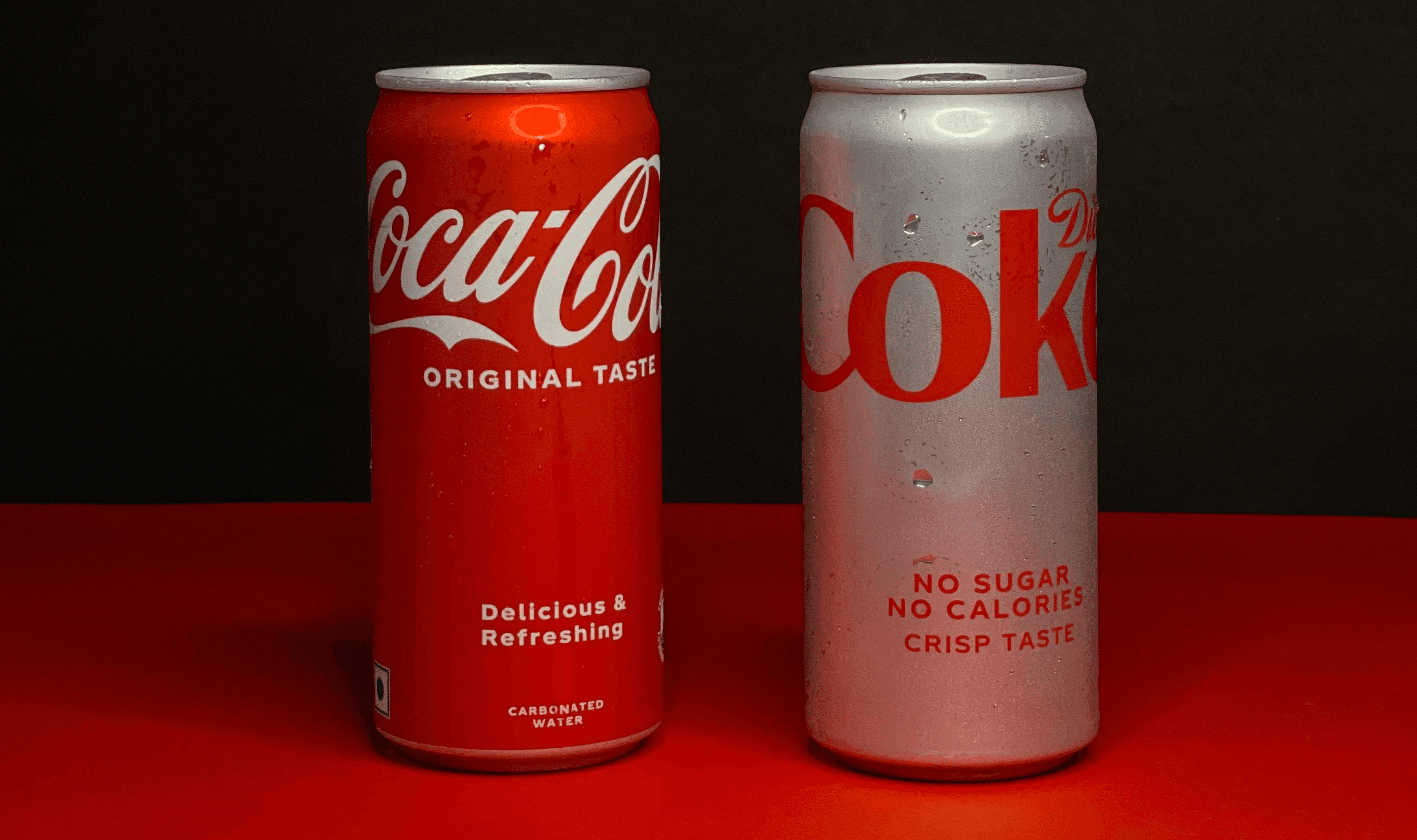
Walk into any grocery store and you'll see two "zero-calorie" Coca-Cola options sitting side by side: Coke Zero and Diet Coke.
Most people assume they're basically the same drink with different packaging. They're not.
I've had this debate countless times with friends trying to lose weight. One person swears Coke Zero tastes identical to regular Coke. Another refuses to drink anything except Diet Coke.
The real question is: does either one offer a health or weight-loss advantage?
Let's break it down.
What is Coke Zero?
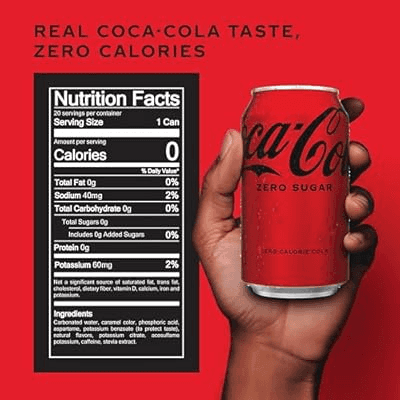
Coke Zero Sugar is Coca-Cola's attempt to replicate the taste of original Coca-Cola without the sugar or calories.
It uses artificial sweeteners instead of sugar and was reformulated specifically to appeal to people who enjoy the taste of classic Coke.
Key facts:
0 calories
0 grams sugar
Similar caffeine content to regular Coke
Designed to taste like original Coca-Cola
Uses a blend of artificial sweeteners
What is Diet Coke?
Diet Coke is a separate product, not simply a sugar-free version of regular Coke.
It was launched decades before Coke Zero and has a lighter, more distinct flavor profile.
Key facts:
0 calories
0 grams sugar
Slightly different recipe from Coca-Cola Classic
Uses a different sweetener profile
Known for its crisp, lighter taste
Coke Zero vs Diet Coke: Nutrition comparison
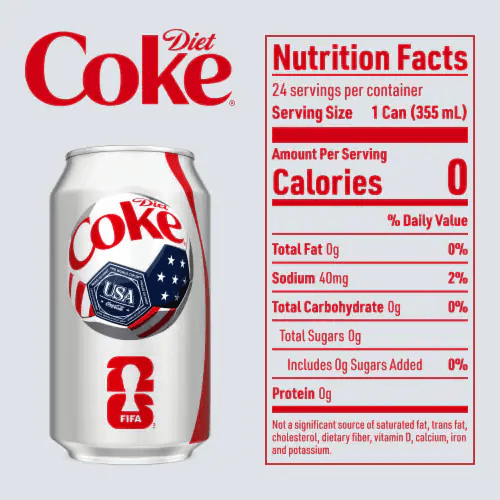
The biggest surprise for many people is how similar the nutrition facts actually are.
Nutrient | Coke Zero | Diet Coke |
Calories | 0 | 0 |
Sugar | 0g | 0g |
Fat | 0g | 0g |
Protein | 0g | 0g |
Carbohydrates | 0g | 0g |
Caffeine | Similar | Similar |
From a calorie perspective, they're essentially tied.
If your goal is weight loss, neither provides a meaningful advantage over the other.
Which tastes better?
Taste is where the real difference exists.
Coke Zero
BLUF: Coke Zero tastes closer to regular Coca-Cola.
Many people switching from sugary soda find Coke Zero easier to adopt because the flavor resembles the original product.
The sweetness feels fuller and the aftertaste is generally less noticeable.
Diet Coke
BLUF: Diet Coke has its own unique identity.
Diet Coke is lighter, crisper, and slightly less syrupy than regular Coke.
Long-time Diet Coke drinkers often prefer it because it doesn't try to imitate regular Coca-Cola.
In my experience, people who grew up drinking regular Coke usually lean toward Coke Zero, while long-time diet soda drinkers often remain loyal to Diet Coke.
Which is better for weight loss?
Neither wins.
Weight loss depends primarily on maintaining a calorie deficit.
Since both drinks contain virtually no calories, they can help replace high-calorie sugary beverages.
For example:
One 330ml regular Coke contains roughly 140 calories.
Replacing one daily regular Coke with either Coke Zero or Diet Coke could save nearly 1,000 calories per week.
That's a meaningful reduction without changing anything else.
The bigger factor isn't which diet soda you choose.
It's whether choosing one helps you avoid liquid calories consistently.
What about artificial sweeteners?
This is where most of the controversy comes from.
Both drinks use artificial sweeteners approved by food safety authorities.
Current evidence suggests that approved artificial sweeteners are safe when consumed within recommended limits.
Common concerns include:
"Do they spike insulin?"
For most people, the effect is minimal compared to consuming sugary drinks.
"Do they cause weight gain?"
Research generally shows that replacing sugary beverages with low-calorie alternatives can support weight management.
The issue often isn't the soda itself.
Sometimes people compensate by eating extra calories elsewhere because they believe they've "saved" calories.
"Do they affect gut health?"
Research is ongoing.
Some studies suggest certain artificial sweeteners may influence gut bacteria, but the evidence remains mixed and highly individual.
If you're concerned about overall nutrition quality, focus first on the bigger rocks:
Protein intake
Fiber intake
Fruit and vegetable consumption
Overall calorie balance
Those factors have a much larger impact on health outcomes.
Which is healthier?
From a practical perspective, they're nearly identical.
Neither drink provides significant nutrients.
Neither contains sugar.
Neither should replace water as your primary beverage.
The healthier hierarchy generally looks like this:
Water
Unsweetened tea and coffee
Zero-calorie beverages like Coke Zero and Diet Coke
Sugary soft drinks
If switching from regular soda to either option helps reduce sugar intake, that's typically a positive step.
Who should choose Coke Zero?
Coke Zero may be a better fit if:
You love regular Coca-Cola
You're transitioning away from sugary soda
You want a taste that's closer to the original
You dislike Diet Coke's distinct flavor
Who should choose Diet Coke?
Diet Coke may be a better fit if:
You already enjoy Diet Coke
You prefer a lighter taste
You don't want a drink that mimics regular Coke
You've been drinking diet soda for years
Final thoughts
Coke Zero and Diet Coke are far more similar than they are different.
If your goal is weight loss, neither has a meaningful advantage. Both eliminate the sugar and calories found in regular soda.
The deciding factor is taste.
Choose the one you genuinely enjoy and can stick with. Consistency beats nutritional hair-splitting every time.
If you're trying to lose fat, improve your health, or better understand your nutrition, pay more attention to your total diet than to the differences between two zero-calorie sodas.