
MD Psychiatry Resident, MBBS
Share this story
Building muscle is simple on paper: lift weights, eat enough calories, and recover. Yet most people focus on calories and completely overlook macros.
I've seen this mistake repeatedly. Someone eats in a surplus, gains weight, but ends up disappointed because much of that gain is body fat rather than muscle. The difference often comes down to how protein, carbohydrates, and fats are distributed.
The good news? You don't need bodybuilding-level precision. You just need a macro split that supports muscle growth, training performance, and recovery.
In this guide, I'll show you exactly what your macros should look like for muscle gain, how to calculate them, and how to adjust them based on your progress.
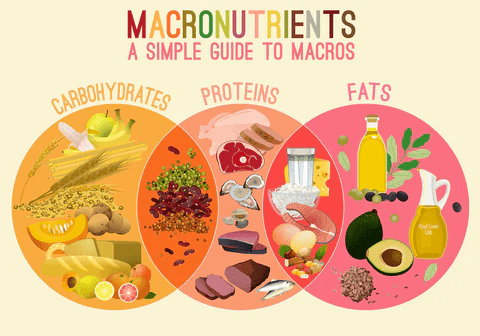
What are macros?
Macronutrients, or macros, are the three nutrients that provide calories:
Protein: Supports muscle repair and growth
Carbohydrates: Fuel training and recovery
Fat: Supports hormones, recovery, and overall health
Each macro provides energy:
Protein = 4 calories per gram
Carbohydrates = 4 calories per gram
Fat = 9 calories per gram
For muscle gain, all three matter. But they do not contribute equally.
Protein builds the house. Carbs provide the workers with energy. Fat keeps the machinery running.
Why macros matter for muscle gain
The bottom line: calories determine whether you gain weight, but macros influence what type of weight you gain.
Imagine two people eating 3,000 calories daily.
Person A eats plenty of protein and trains hard.
Person B eats very little protein and fills most calories with junk food.
Both may gain weight, but Person A is far more likely to gain muscle while minimizing unnecessary fat gain.
Research consistently shows that adequate protein combined with resistance training significantly improves muscle protein synthesis, the process through which muscles repair and grow.
Macros also affect:
Training performance
Recovery speed
Hormone production
Appetite control
Body composition
Start with your calorie target
Before calculating macros, determine how many calories you need.
Most people should aim for a moderate calorie surplus:
Maintenance calories + 200–300 calories for lean muscle gain
Maintenance calories + 300–500 calories for faster weight gain
For example:
Maintenance: 2,500 calories
Muscle gain target: 2,800 calories
A smaller surplus generally leads to slower but leaner gains.
If you're unsure about your maintenance calories, use a TDEE calculator first.

Set your protein intake first
Protein is the most important macro for muscle growth.
A practical target for most lifters is:
0.7–1.0 grams of protein per pound of body weight (1.6–2.2 g/kg)
Examples:
Body Weight | Daily Protein |
150 lb | 105–150 g |
180 lb | 126–180 g |
200 lb | 140–200 g |
If you're trying to maximize muscle growth, aim toward the higher end of the range.
For a 180-pound individual:
Protein target = 180 grams
Calories from protein = 720 calories
Good protein sources include:
Chicken breast
Turkey
Fish
Lean beef
Eggs
Greek yogurt
Cottage cheese
Whey protein
Tofu
Tempeh
I personally find that spreading protein across 4–5 meals helps me consistently hit my target without feeling stuffed.
Set your fat intake second
Fat often gets unfairly blamed for weight gain.
In reality, healthy fats support testosterone production, hormone function, vitamin absorption, and recovery.
A good target is:
20–30% of total calories from fat
For a 2,800-calorie muscle gain diet:
25% from fat
700 calories from fat
About 78 grams of fat
Good fat sources include:
Avocados
Nuts
Seeds
Olive oil
Salmon
Whole eggs
Nut butters
Avoid dropping fats too low. Extremely low-fat diets can negatively affect hormone levels and training performance.
Fill the rest with carbohydrates
Once protein and fat are set, allocate remaining calories to carbohydrates.
This is where many muscle-building diets get their fuel.
Using our example:
Total calories = 2,800
Protein calories = 720
Fat calories = 700
Remaining calories = 1,380
Carbohydrates:
1,380 ÷ 4 = 345 grams
Final macros:
Protein: 180g
Fat: 78g
Carbs: 345g
Carbohydrates help:
Replenish glycogen stores
Improve workout performance
Support recovery
Increase training volume
The harder you train, the more valuable carbs become.
What is the best macro ratio for muscle gain?
Many people want a simple ratio.
A common starting point looks like this:
Macro | Percentage |
Protein | 25–30% |
Carbs | 45–55% |
Fat | 20–30% |
For most lifters, a ratio near:
30% protein, 50% carbs, 20% fat
works extremely well.
However, percentages are less important than hitting your protein target and total calories.
Always calculate protein first before worrying about ratios.
Sample muscle gain macros by body weight
150-pound person
Target calories: 2,500
Protein: 150g
Fat: 70g
Carbs: 305g
180-pound person
Target calories: 2,800
Protein: 180g
Fat: 78g
Carbs: 345g
200-pound person
Target calories: 3,200
Protein: 200g
Fat: 90g
Carbs: 420g
These are starting points. Individual needs vary based on training volume, age, metabolism, and activity level.
How to know if your macros are working
Your body provides feedback.
Signs your macros are working:
Weight increases by 0.25–0.5% per week
Strength improves
Recovery improves
Energy remains high
Muscle measurements increase
Signs adjustments may be needed:
No weight gain for 2–3 weeks
Constant fatigue
Poor workouts
Slow recovery
Excessive fat gain
Track progress using:
Weekly body weight averages
Progress photos
Strength numbers
Body measurements
This is where many people struggle. Estimating food portions by eye often creates significant errors.
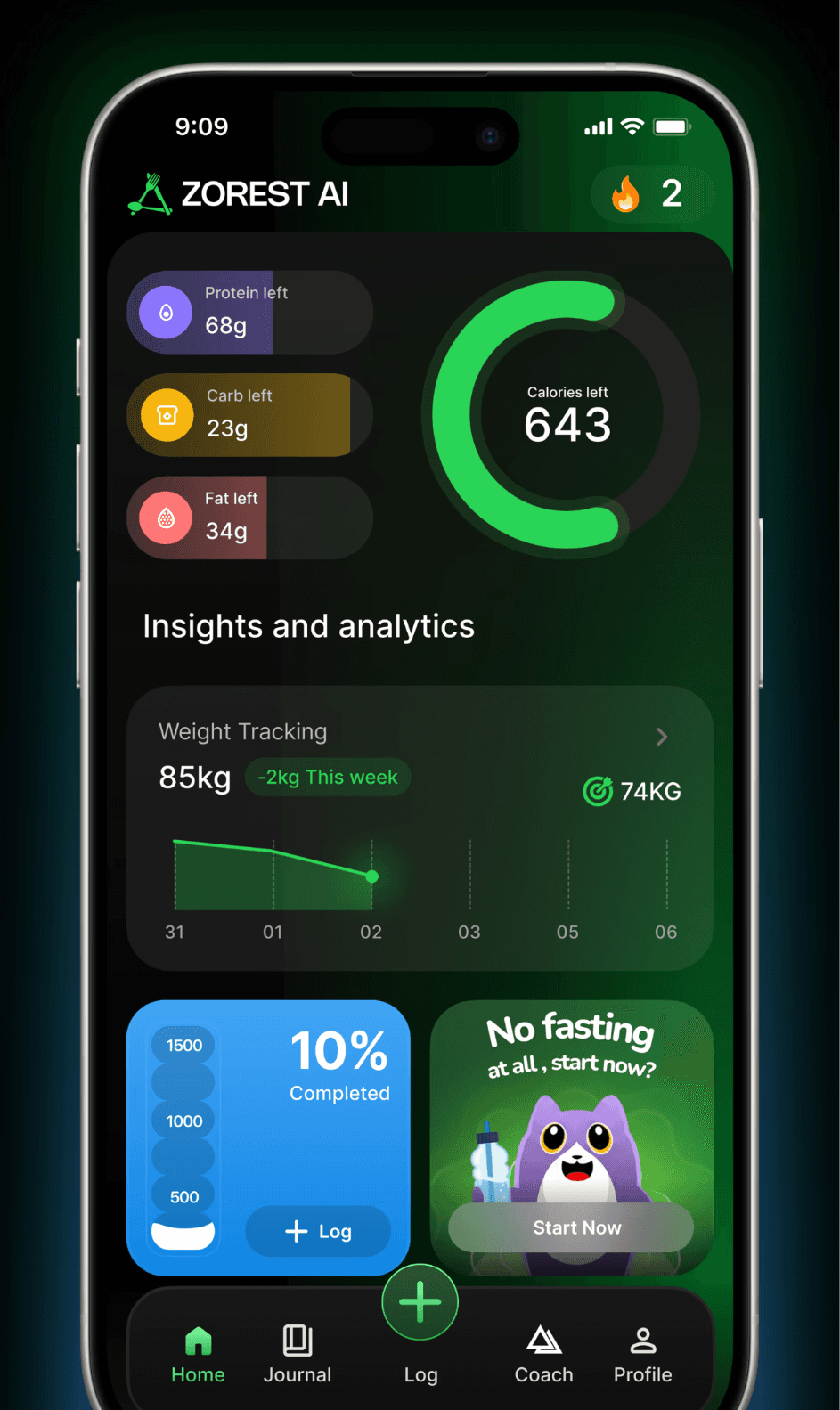
Using Zorest Macro can make this process much easier. You can log meals through text, voice, photos, barcodes, or nutrition labels, and instantly see whether you're hitting your protein, carb, and fat targets for muscle gain. The app's AI Meal Logger removes much of the guesswork that typically causes inconsistent results.
Common muscle gain macro mistakes
Eating too little protein
This is the most common mistake.
Many people increase calories but never increase protein intake.
Fear of carbohydrates
Carbs are not the enemy.
If you're training hard, they are often the primary fuel source that supports growth.
Ignoring calorie intake
Perfect macros cannot overcome insufficient calories.
Muscle growth requires energy.
Making changes too quickly
Many lifters adjust calories every few days.
Instead, evaluate trends over several weeks.
Not tracking consistently
A macro plan only works if you follow it.
Consistency beats perfection every time.
Should beginners and advanced lifters use different macros?
The fundamentals remain largely the same.
Both beginners and advanced lifters should prioritize:
Adequate protein
A moderate calorie surplus
Consistent training
The difference is that advanced lifters often need more precise adjustments because muscle gain naturally slows as training experience increases.
Beginners can usually make excellent progress using simple macro targets and consistent habits.
Final thoughts
If you're wondering what your macros should be to gain muscle, start here:
Protein: 0.7–1.0 g per pound of body weight
Fat: 20–30% of calories
Carbs: Fill the remaining calories
Calories: Stay in a moderate surplus
Remember that muscle gain is not about finding a magical macro ratio. It's about consistently giving your body enough protein, energy, and recovery to build new tissue.
Track your progress, adjust when needed, and stay patient. Muscle is built over months, not days.
If you want a faster way to stay on target, tools like Zorest Macro can automatically track your meals and daily macros, helping you spend less time calculating and more time focusing on training.