MD Psychiatry Resident, MBBS
Share this story
Pregnancy comes with endless advice. Eat more. Eat less. Avoid this. Crave that.
It's no surprise many moms-to-be end up asking the same question:
What diet should I follow during pregnancy?
The short answer: you don't need a special "pregnancy diet." You need a balanced eating pattern that provides enough calories, protein, vitamins, minerals, and healthy fats to support both your health and your baby's growth.
The challenge is knowing what that actually looks like in practice.
In this guide, I'll break down exactly what to eat during pregnancy, which foods to prioritize, what to avoid, and how much weight gain is considered healthy.
Focus on nutrient density, not eating for two
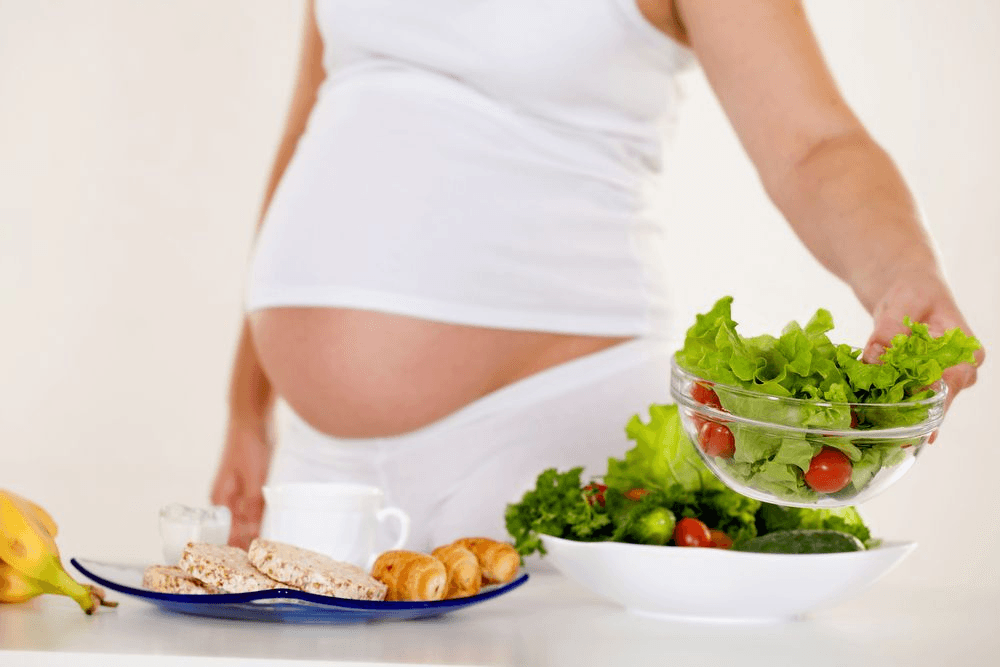
The biggest myth about pregnancy nutrition is that you need to "eat for two."
In reality, calorie needs increase gradually throughout pregnancy.
According to the American College of Obstetricians and Gynecologists (ACOG), most women don't need additional calories during the first trimester. During the second and third trimesters, energy needs typically increase by a few hundred calories per day depending on activity level and pre-pregnancy weight.
A better mindset is:
Eat twice as nutritious, not twice as much.
For example:
Add Greek yogurt with berries instead of sugary snacks
Choose eggs and whole-grain toast instead of pastries
Include vegetables with lunch and dinner
Snack on nuts, fruit, and cheese
These foods provide protein, fiber, vitamins, and minerals that support fetal development.
Build every meal around protein
Protein is one of the most important nutrients during pregnancy.
Your body uses protein to build your baby's:
Brain
Organs
Muscles
Skin
Blood supply
Protein also supports growth of maternal tissues, including the uterus, placenta, and breasts.
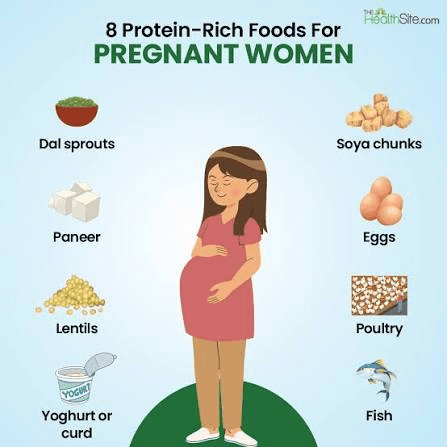
Good pregnancy-friendly protein sources include:
Eggs
Chicken
Turkey
Fish low in mercury
Greek yogurt
Cottage cheese
Beans
Lentils
Tofu
Edamame
Lean beef
A practical goal is to include a protein source at every meal and snack.
For example:
Breakfast:
Scrambled eggs
Whole grain toast
Fruit
Lunch:
Grilled chicken salad
Olive oil dressing
Snack:
Greek yogurt with berries
Dinner:
Salmon
Sweet potato
Vegetables
Eat plenty of fruits and vegetables
Fruits and vegetables provide nutrients that are difficult to get elsewhere.
These include:
Folate
Vitamin C
Potassium
Fiber
Antioxidants
Fiber becomes especially important during pregnancy because constipation is common due to hormonal changes.
Aim to "eat the rainbow" throughout the week:
Green foods
Spinach
Kale
Broccoli
Green beans
Orange foods
Carrots
Sweet potatoes
Pumpkin
Red foods
Tomatoes
Strawberries
Bell peppers
Purple foods
Blueberries
Blackberries
Purple cabbage
Different colors provide different nutrients, helping create a more complete nutritional profile.
Choose healthy carbohydrates
Carbs often get unfairly blamed for weight gain.
During pregnancy, carbohydrates provide an important energy source for both mother and baby.
The key is choosing mostly high-quality carbohydrates.
Good options include:
Oats
Brown rice
Quinoa
Whole wheat bread
Whole grain pasta
Potatoes
Sweet potatoes
Beans
Fruits
These foods contain fiber, which helps stabilize blood sugar and improves satiety.
Try to limit excessive intake of:
Sugary drinks
Candy
Cakes
Cookies
Highly processed snacks
You don't need to eliminate treats completely. Balance matters more than perfection.
Include healthy fats daily
Healthy fats are critical for fetal brain and nervous system development.
Particularly important are omega-3 fatty acids, especially DHA.
Good sources include:
Salmon
Sardines
Trout
Chia seeds
Flaxseeds
Walnuts
Healthy fats can also come from:
Avocados
Olive oil
Nuts
Nut butters
One simple habit I often recommend is adding a handful of nuts to your daily routine. It's an easy way to increase healthy fats, minerals, and calories when needed.
Pay special attention to key pregnancy nutrients
While overall diet quality matters most, several nutrients deserve extra attention.
Folate
Folate helps prevent neural tube defects.
Sources include:
Leafy greens
Lentils
Beans
Fortified cereals
Most healthcare providers also recommend a prenatal vitamin containing folic acid.
Iron
Iron supports increased blood volume during pregnancy.
Good sources:
Lean red meat
Lentils
Beans
Spinach
Fortified cereals
Pair plant-based iron sources with vitamin C-rich foods to improve absorption.
Calcium
Calcium supports bone development.
Sources include:
Milk
Yogurt
Cheese
Calcium-fortified plant milks
Tofu
Choline
Choline supports fetal brain development.
Excellent sources:
Eggs
Meat
Fish
Many pregnant women don't consume enough choline, making eggs a particularly valuable food.
Know which foods to avoid
Some foods carry higher risks during pregnancy.
Generally, healthcare providers recommend avoiding:
High-mercury fish
Examples include:
Shark
Swordfish
King mackerel
Tilefish
Raw or undercooked foods
Examples:
Raw seafood
Undercooked eggs
Rare meats
Unpasteurized dairy products
These can increase the risk of foodborne illness.
Excess alcohol
Current recommendations advise avoiding alcohol during pregnancy.
Excess caffeine
Moderate caffeine intake is generally considered safe, but discuss your individual situation with your healthcare provider.
When in doubt, consult your doctor, obstetrician, or registered dietitian.
Track healthy pregnancy weight gain
One of the most common concerns during pregnancy is weight gain.
Gain too little, and nutrient needs may not be met.
Gain too much, and risks for complications can increase.
The ideal amount depends on factors such as:
Pre-pregnancy weight
BMI
Whether you're carrying multiples
Individual medical circumstances
Instead of guessing, use a calculator designed specifically for pregnancy.
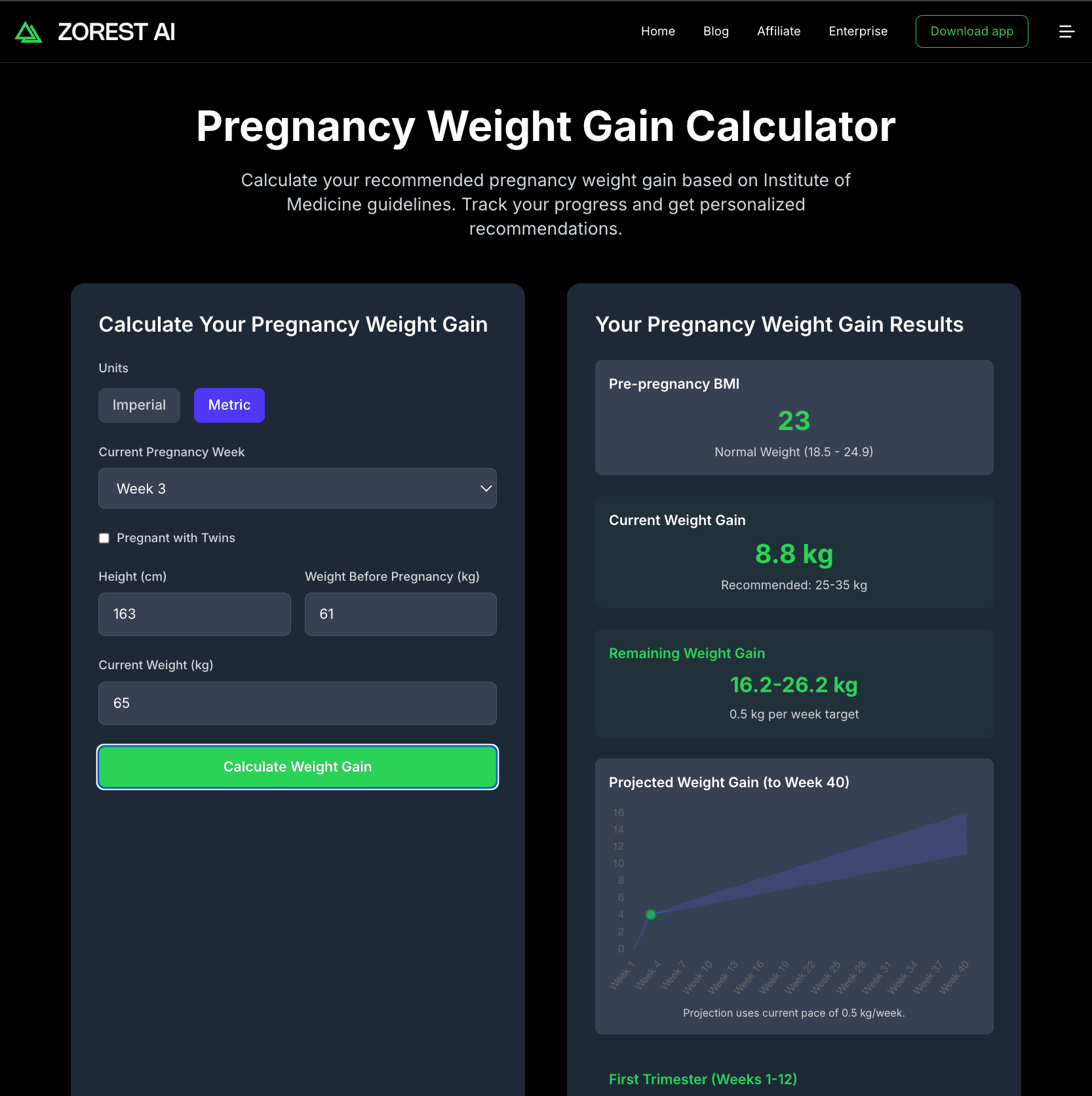
Use the free pregnancy weight gain calculator
The free Pregnancy Weight Gain Calculator from Zorest helps estimate a healthy weight gain range based on your starting weight and pregnancy stage.
You can try it here:
https://tools.zorest.com/tools/pregnancy-weight-gain-calculator
This provides a useful benchmark you can discuss with your healthcare provider throughout pregnancy.
Make healthy eating easier with planning
Pregnancy symptoms can make nutrition challenging.
Nausea, food aversions, fatigue, and cravings can all affect eating habits.
One strategy that works well is planning meals ahead of time.
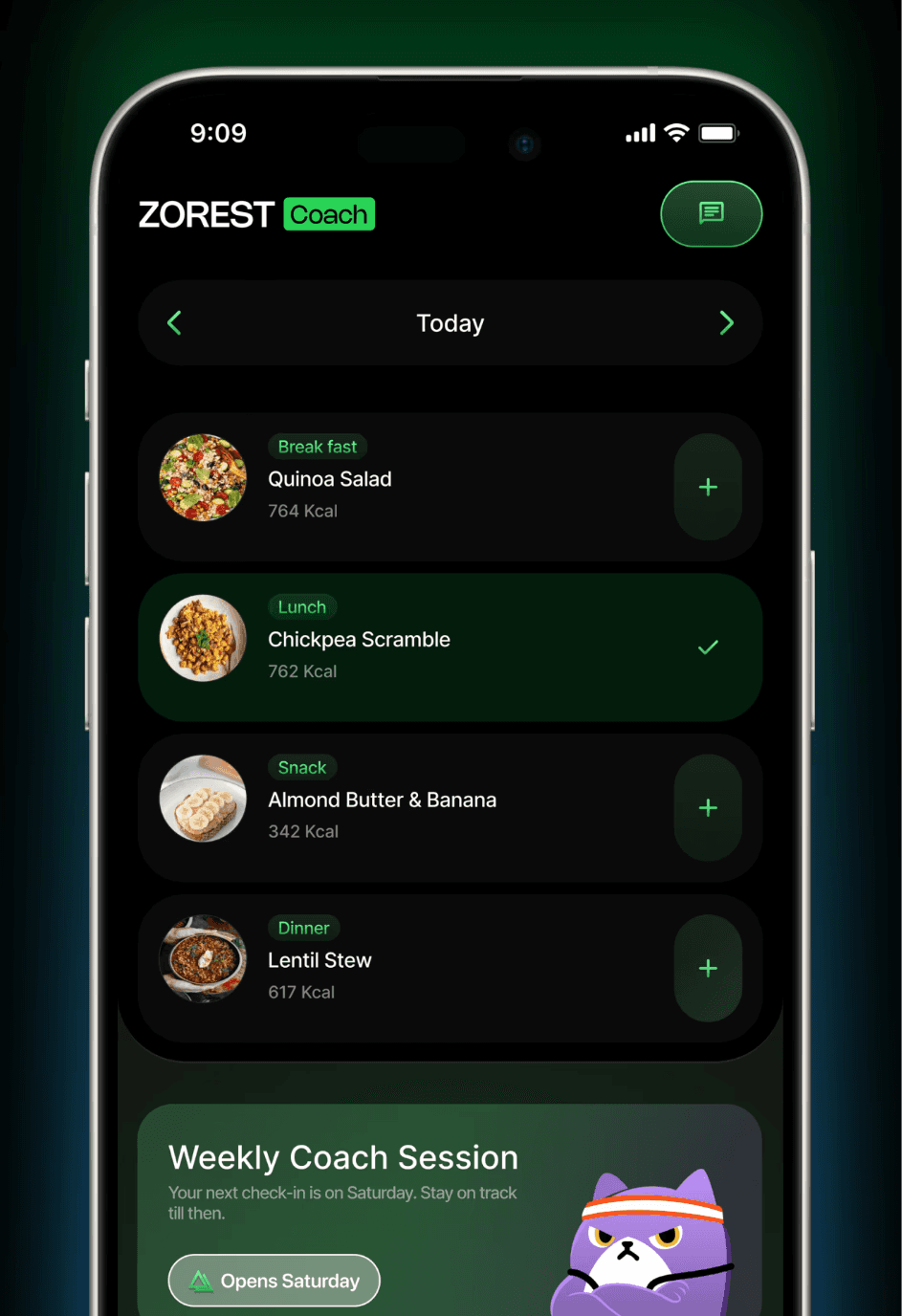
Using tools such as the Zorest Macro app's Daily Meal Planner can help simplify decisions by suggesting balanced meals that fit your nutritional needs and preferences. Instead of wondering what to eat every day, you already have a framework to follow.
Sample one-day pregnancy meal plan
Here's an example of a balanced day of eating during pregnancy.
Breakfast
Two eggs
Whole grain toast
Orange
Glass of milk
Morning snack
Greek yogurt
Blueberries
Lunch
Grilled chicken breast
Brown rice
Mixed vegetables
Afternoon snack
Apple
Almond butter
Dinner
Baked salmon
Sweet potato
Broccoli
Evening snack
Cottage cheese
Strawberries
This approach provides protein, fiber, healthy fats, vitamins, and minerals throughout the day.
Final thoughts
The best pregnancy diet isn't a trendy diet.
It's a balanced eating pattern built around protein, fruits, vegetables, whole grains, healthy fats, and key nutrients like folate, iron, calcium, and choline.
Focus on consistency rather than perfection.
Small habits repeated daily matter far more than occasional "perfect" meals.
And if you're unsure whether your weight gain is on track, use the free Pregnancy Weight Gain Calculator to get a personalized estimate and discuss the results with your healthcare provider.