
MD Psychiatry Resident, MBBS
Share this story
Your body is home to trillions of microorganisms. In fact, you carry around more microbial cells than most people realize. These bacteria, fungi, viruses, and other microbes live on your skin, in your mouth, and most importantly, inside your digestive tract.
Collectively, they form your microbiome.
For years, these tiny organisms were viewed mainly as germs to avoid. Today, science tells a different story. Many of them are essential partners that help digest food, regulate immunity, produce vitamins, and even influence your mood.
Understanding your microbiome is one of the most powerful ways to understand your overall health.
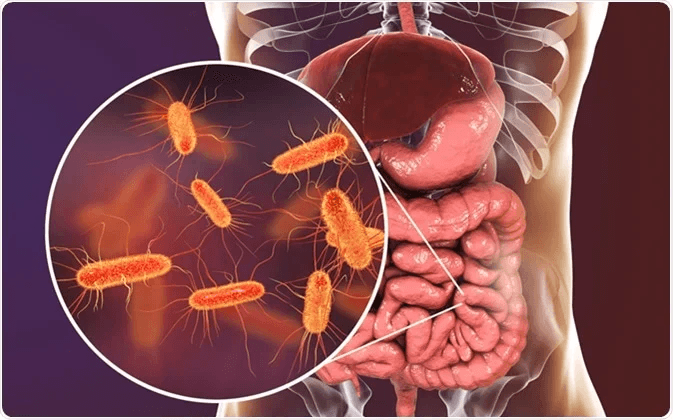
What is the gut microbiome?
The gut microbiome is the collection of microorganisms that live throughout your digestive tract, especially in your large intestine.
These microbes form a complex ecosystem that works alongside your body every day.
A healthy gut microbiome contains thousands of different species. Each species plays a specific role. Some help break down dietary fiber, while others produce nutrients or protect against harmful bacteria.
Think of your gut like a rainforest. The greater the diversity of plants and animals, the more resilient the ecosystem becomes. The same principle applies to your gut.
Research suggests the human gut contains trillions of microbes and hundreds to thousands of bacterial species, creating one of the most densely populated ecosystems on Earth.
Source: https://www.nih.gov/news-events/nih-research-matters/gut-microbes-may-shape-health
Why your microbiome matters
The biggest misconception about gut bacteria is that they only affect digestion.
In reality, the microbiome influences multiple systems throughout the body.
Digestion and nutrient absorption
Many foods contain compounds that your body cannot fully digest on its own.
Certain gut bacteria break down dietary fiber and produce beneficial compounds called short-chain fatty acids (SCFAs). These compounds support intestinal health and reduce inflammation.
Without these bacteria, much of the nutritional value of fiber would be lost.
Immune system function
Around 70% of the immune system is associated with the gut.
Your microbiome helps train immune cells to recognize threats while avoiding unnecessary attacks on harmless substances.
A balanced microbiome may help reduce the risk of chronic inflammation and support immune resilience.
Source: https://www.ncbi.nlm.nih.gov/pmc/articles/PMC3337124/
Mental health and mood
Scientists now refer to the connection between the gut and brain as the gut-brain axis.
Gut microbes produce neurotransmitters and signaling molecules that communicate with the nervous system.
For example:
Certain bacteria help produce serotonin
Others influence stress responses
Some affect sleep quality
This doesn't mean gut bacteria determine your happiness, but they may play a larger role in mental well-being than previously believed.

Weight management
Studies consistently find differences between the gut microbiomes of lean and obese individuals.
Researchers believe some bacterial populations may influence:
Hunger signals
Energy extraction from food
Fat storage
Blood sugar regulation
The microbiome is not the sole cause of weight gain, but it appears to be one piece of a much larger puzzle.
Source: https://www.nature.com/articles/nature05414
What harms the gut microbiome?
The microbiome is surprisingly adaptable, but certain habits can reduce microbial diversity and balance.
Diets low in fiber
Fiber is the primary fuel source for many beneficial gut bacteria.
When fiber intake drops, beneficial microbes lose their preferred food source.
Unfortunately, modern diets often emphasize processed foods while providing very little fiber.
Excessive processed foods
Ultra-processed foods tend to contain fewer nutrients and less fiber while being higher in additives and refined ingredients.
A diet dominated by processed foods is often associated with lower microbial diversity.
Unnecessary antibiotic use
Antibiotics can be lifesaving when needed.
However, they do not distinguish between harmful and beneficial bacteria.
After antibiotic treatment, some microbial populations may take weeks or months to recover.
Chronic stress
Stress affects digestion, sleep, hormones, and inflammation.
These changes can alter the environment inside the gut and impact microbial balance.
I've personally noticed that periods of poor sleep and high stress often coincide with digestive discomfort. Research increasingly supports this connection.
Lack of dietary variety
Many people eat the same foods repeatedly.
While consistency can be helpful, microbial diversity thrives on dietary diversity.
Different microbes consume different nutrients. A varied diet supports a wider range of beneficial species.
Signs your gut health may need attention
Gut health isn't always obvious.
Still, some common signs may suggest an imbalance.
These include:
Frequent bloating
Excessive gas
Constipation
Diarrhea
Food sensitivities
Persistent fatigue
Difficulty maintaining a healthy weight
Frequent illness
It's important to note that these symptoms can have many causes.
A healthcare professional should evaluate persistent digestive issues.
How to improve your gut microbiome naturally
The good news is that the microbiome can change relatively quickly.
Research shows measurable improvements can occur within days or weeks of dietary changes.
Eat more fiber-rich foods
This is arguably the most effective place to start.
Fiber acts as food for beneficial gut bacteria.
Excellent sources include:
Beans
Lentils
Oats
Fruits
Vegetables
Nuts
Seeds
Most adults fall short of recommended fiber intake.
Aiming for gradual increases can help prevent digestive discomfort.
Include fermented foods
Fermented foods naturally contain beneficial microorganisms.
Examples include:
Yogurt
Kefir
Kimchi
Sauerkraut
Tempeh
Miso
Several studies suggest fermented foods may increase microbial diversity.

Eat a wider variety of plants
One of the simplest microbiome hacks is eating more plant diversity.
Researchers from the American Gut Project found that people consuming 30 or more different plant foods per week tended to have greater microbial diversity than those eating fewer than 10.
Plant foods include:
Vegetables
Fruits
Herbs
Whole grains
Nuts
Seeds
Legumes
Source: https://www.frontiersin.org/articles/10.3389/fnut.2018.00096/full
Prioritize sleep
Poor sleep can disrupt the microbiome, while an unhealthy microbiome may affect sleep quality.
This relationship works both ways.
Most adults benefit from 7–9 hours of quality sleep each night.
Stay physically active
Regular exercise is associated with greater microbial diversity.
You don't need marathon-level training.
Walking, cycling, swimming, and strength training all appear beneficial.
Manage stress
Meditation, breathing exercises, spending time outdoors, and social connection may indirectly support gut health by reducing chronic stress.
The goal isn't eliminating stress entirely. It's reducing the amount of time your body spends in a constant state of high alert.
Should you take probiotics?
Probiotics are supplements that contain live microorganisms.
They can be useful in specific situations, such as after certain antibiotic treatments or for some digestive conditions.
However, probiotics are not magic pills.
Different strains produce different effects, and many benefits are strain-specific.
For most healthy individuals, improving diet quality and fiber intake often provides greater long-term benefits than relying solely on supplements.
If you're considering probiotics for a specific health concern, consult a healthcare professional.
The future of microbiome science
Microbiome research is advancing rapidly.
Scientists are exploring how gut microbes may influence:
Heart disease
Type 2 diabetes
Obesity
Depression
Autoimmune disorders
Healthy aging
While many discoveries are promising, this field is still evolving.
The strongest takeaway today remains surprisingly simple:
A diverse, fiber-rich diet supports a healthier microbiome, which supports a healthier body.
Final thoughts
Your gut microbiome is not just a collection of bacteria. It's an active ecosystem that influences digestion, immunity, metabolism, and even mental well-being.
The encouraging part is that you don't need expensive supplements or complicated protocols to improve it. Small daily habits—eating more fiber, consuming fermented foods, exercising regularly, sleeping well, and managing stress—can create meaningful changes over time.
Think of your microbiome like a garden. Feed it well, give it variety, and protect it from unnecessary disruption. In return, it can support your health in ways researchers are still discovering.