
MD Psychiatry Resident, MBBS
Share this story
Living with gastroparesis can make something as simple as eating feel unpredictable. One day a meal sits comfortably. The next day, the same food causes bloating, nausea, or vomiting.
The good news is that diet is one of the most effective tools for managing gastroparesis. While it doesn't cure the condition, the right eating pattern can reduce symptoms, improve nutrition, and make daily life much more comfortable.
This guide explains exactly what to eat, what to avoid, and how to build meals that work with a slower-moving stomach.
What is gastroparesis?
Gastroparesis is a condition where the stomach empties food into the small intestine much more slowly than normal, even though there isn't a physical blockage.
Normally, stomach muscles contract rhythmically to push food forward. In gastroparesis, these contractions become weak or uncoordinated, causing food to remain in the stomach for hours longer than it should.
Common causes include:
Diabetes (especially longstanding diabetes)
Damage to the vagus nerve
Certain medications (opioids, some antidepressants, GLP-1 receptor agonists in some individuals)
Previous stomach surgery
Neurological diseases
Idiopathic gastroparesis (no identifiable cause)
According to the National Institute of Diabetes and Digestive and Kidney Diseases (NIDDK), dietary changes are considered first-line treatment alongside medical management.
Source: https://www.niddk.nih.gov/health-information/digestive-diseases/gastroparesis
Recognize the symptoms
Gastroparesis affects more than digestion. It often changes appetite, body weight, and overall nutrition.
Symptoms commonly include:
Feeling full after only a few bites
Nausea
Vomiting undigested food
Bloating
Upper abdominal pain
Acid reflux
Poor appetite
Weight loss
Blood sugar fluctuations in people with diabetes
Many people notice symptoms worsen after large meals, fatty foods, or high-fiber foods.
Understand why diet matters
Bottom line: Eating differently reduces the stomach's workload.
Unlike many digestive disorders where medications do most of the work, gastroparesis management depends heavily on food choices.
I often compare the stomach to a traffic intersection.
A healthy stomach has synchronized traffic lights that keep cars moving smoothly.
Gastroparesis is like every light turning red at once. Food piles up instead of moving forward.
The goal of the diet isn't to force traffic through.
It's to reduce congestion.
That means choosing foods that leave the stomach more easily.
Follow the core principles of a gastroparesis diet
Most healthcare providers recommend the same foundational principles.
Eat small meals frequently
Instead of three large meals, divide food into five to six smaller meals throughout the day.
A smaller volume places less stress on the stomach and empties more efficiently.
For example:
Breakfast
Mid-morning snack
Lunch
Afternoon snack
Dinner
Evening snack if tolerated
Choose low-fat foods
Fat naturally slows stomach emptying.
That doesn't mean eliminating all fat.
Instead, prioritize lean proteins and modest portions of healthy fats.
Better choices include:
Skinless chicken
White fish
Egg whites
Low-fat yogurt
Cottage cheese
Tofu
Use oils sparingly unless your healthcare provider recommends increasing liquid calories.
Limit high-fiber foods
Fiber is usually healthy, but in gastroparesis it can become problematic.
Some fibrous foods remain in the stomach longer and may form bezoars—solid masses of undigested material.
Higher-risk foods include:
Raw broccoli
Celery
Corn
Orange membranes
Apple peels
Nuts
Seeds
Popcorn
Dried fruits
Instead choose:
Peeled fruits
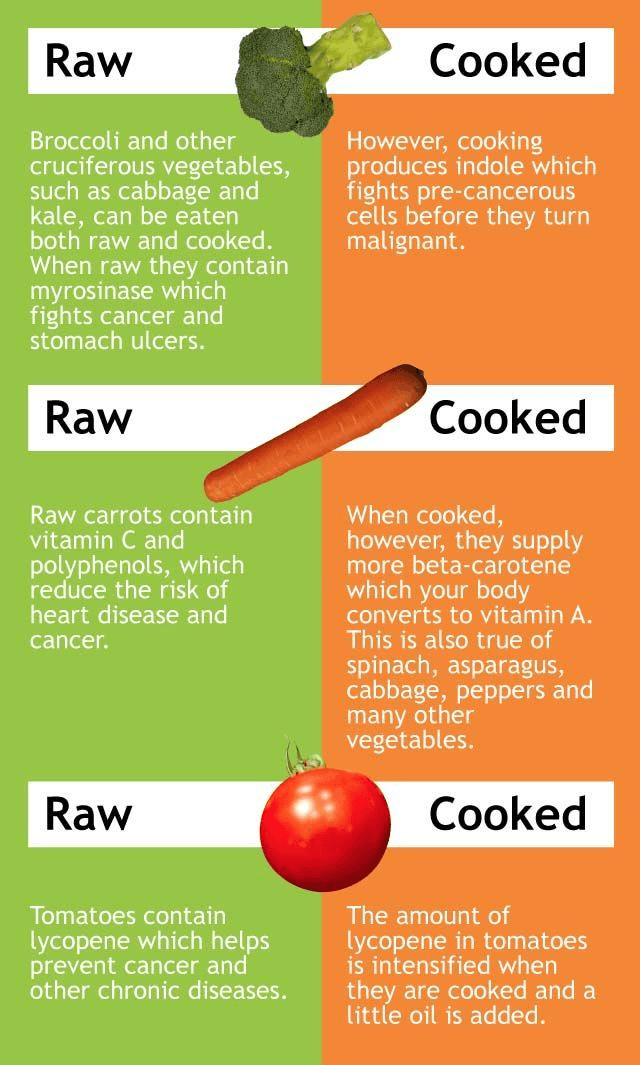
Well-cooked vegetables
Applesauce
Ripe bananas
Prefer soft foods
Texture matters.
Soft foods require less grinding before they leave the stomach.
Examples include:
Mashed potatoes
Scrambled eggs
Oatmeal
Yogurt
Cottage cheese
Soups
Pureed vegetables
Rice porridge
Drink enough fluids
Liquids usually leave the stomach faster than solid foods.
Hydration also helps reduce constipation, which commonly accompanies gastroparesis.
Good options include:
Water
Milk if tolerated
Smooth soups
Oral nutrition drinks when recommended
Electrolyte beverages during vomiting episodes
Know which foods are easiest to digest
While individual tolerance varies, these foods are generally well tolerated.
Proteins
Eggs
Fish
Ground turkey
Lean chicken
Greek yogurt
Cottage cheese
Tofu
Carbohydrates
White rice
Pasta
White bread
Crackers
Cream of wheat
Oatmeal
Potatoes without skin
Fruits
Bananas
Applesauce
Canned peaches
Melons
Peeled pears
Vegetables
Carrots
Pumpkin
Zucchini
Spinach
Green beans
Squash
Cook vegetables thoroughly until soft.
Identify foods that commonly worsen symptoms
Although everyone responds differently, these foods frequently trigger discomfort.
High-fat foods
Fried chicken
French fries
Bacon
Heavy cream
Sausage
High-fiber foods
Raw salads
Whole nuts
Seeds
Bran cereals
Popcorn
Lentils (for some people)
Tough meats
Large steak pieces require extensive grinding inside the stomach.
Ground meat is often better tolerated.
Carbonated drinks
Carbonation increases stomach distension and bloating.
Alcohol
Alcohol may worsen stomach irritation and interfere with nutrition.
Build a one-day gastroparesis meal plan
This sample meal plan demonstrates how small, digestible meals fit together.
Breakfast
Cream of wheat
Scrambled egg
Herbal tea
Morning snack
Greek yogurt
Applesauce
Lunch
Soft baked fish
Mashed potatoes
Cooked carrots
Afternoon snack
Smoothie made with yogurt and banana
Dinner
Ground turkey
White rice
Cooked zucchini
Evening snack
Cottage cheese
Saltine crackers
Remember that portion size often matters more than the specific food.
Adjust your diet during symptom flare-ups
There are days when even soft foods become difficult.
Healthcare providers often recommend temporarily progressing through different food consistencies.
Stage 1:
Clear liquids
Broth
Electrolyte drinks
Stage 2:
Full liquids
Milk
Smooth soups
Protein shakes
Stage 3:
Pureed foods
Stage 4:
Soft solids
Advance only as symptoms improve.
Prevent nutritional deficiencies
Gastroparesis sometimes leads to poor intake, weight loss, and vitamin deficiencies.
Nutrients commonly monitored include:
Iron
Vitamin B12
Vitamin D
Calcium
Folate
If weight loss becomes significant, a registered dietitian may recommend high-calorie liquid nutrition supplements.
Never start supplements without discussing them with your healthcare team, especially if you have diabetes or kidney disease.
Manage diabetes alongside gastroparesis
Diabetes is one of the leading causes of gastroparesis.
Delayed stomach emptying makes blood sugar more unpredictable because glucose enters the bloodstream later than expected.
Strategies often include:
Monitoring blood sugar more frequently
Eating consistent carbohydrate portions
Working with a diabetes specialist to adjust insulin timing
Avoiding large meals
Better glucose control can also help reduce progression of diabetic gastroparesis.
Source: https://diabetesjournals.org/care/article/36/9/2668/38205/Diabetic-Gastroparesis
Know when to seek medical care
Diet alone isn't enough for everyone.
Seek medical evaluation if you experience:
Persistent vomiting
Inability to keep liquids down
Rapid weight loss
Severe dehydration
Black stools
Vomiting blood
Severe abdominal pain
Your healthcare provider may recommend medications that improve stomach emptying, nutrition support, or additional testing.
Frequently asked questions
Can you eat salads with gastroparesis?
Usually, raw salads are poorly tolerated because of their high fiber content. Many people tolerate cooked vegetables much better.
Are bananas good for gastroparesis?
Yes. Ripe bananas are generally considered one of the easier fruits to digest.
Is oatmeal safe?
Usually yes. Plain oatmeal is soft and relatively easy to digest, although portion size still matters.
Can people with gastroparesis drink coffee?
Some individuals tolerate small amounts of coffee, while others find it worsens nausea or reflux. Personal tolerance varies.
Does everyone need a liquid diet?
No. Liquid diets are generally reserved for severe symptom flare-ups or advanced gastroparesis under medical supervision.
Final thoughts
Gastroparesis changes how the stomach handles food, but it doesn't mean enjoyable eating is over. Small, frequent meals, soft textures, lower-fat choices, and individualized adjustments can dramatically reduce symptoms for many people.
The most effective diet is the one that keeps you nourished while minimizing discomfort. Because every case is different, work closely with your gastroenterologist and a registered dietitian to tailor your meal plan, especially if you have diabetes, unintended weight loss, or frequent flare-ups.
Got questions? Ping me on LinkedIn.