
MD Psychiatry Resident, MBBS
Share this story
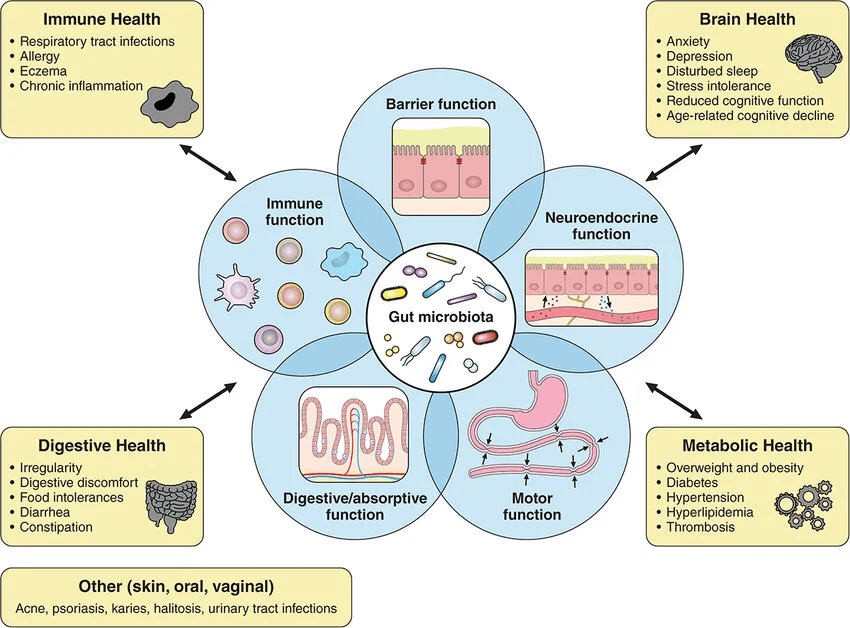
Your gut is home to trillions of bacteria, fungi, and other microorganisms. Together, they form your gut microbiome—a complex ecosystem that influences digestion, immunity, metabolism, and even mood.
Modern diets high in ultra-processed foods can reduce microbial diversity. That's one reason fermented foods have gained so much attention. These foods naturally contain beneficial bacteria that may help support a healthier gut environment.
But which fermented foods are actually worth eating? And are pickles good for gut health?
Let's break down the science and the practical advice.
What are fermented foods?
Fermented foods are foods transformed by beneficial microorganisms such as bacteria or yeast.
During fermentation, these microorganisms consume sugars and produce compounds like lactic acid, which help preserve food and create unique flavors and textures.
Common fermented foods include:
Yogurt
Kefir
Kimchi
Sauerkraut
Miso
Tempeh
Kombucha
Traditional fermented pickles
Fermented cheeses
Humans have used fermentation for thousands of years, long before refrigeration existed.
Why fermented foods support gut health
Fermented foods can introduce beneficial microbes and compounds that help create a healthier digestive environment.
Research suggests that regularly consuming fermented foods may:
Increase gut microbiome diversity
Support digestion
Improve nutrient absorption
Strengthen immune function
Reduce certain markers of inflammation
A notable Stanford University study found that people who increased fermented food intake experienced greater microbiome diversity and lower inflammatory markers.
Think of your gut like a garden. The more diverse the healthy plants, the harder it becomes for weeds to take over. Fermented foods may help cultivate that diversity.
The best fermented foods for gut health
Yogurt
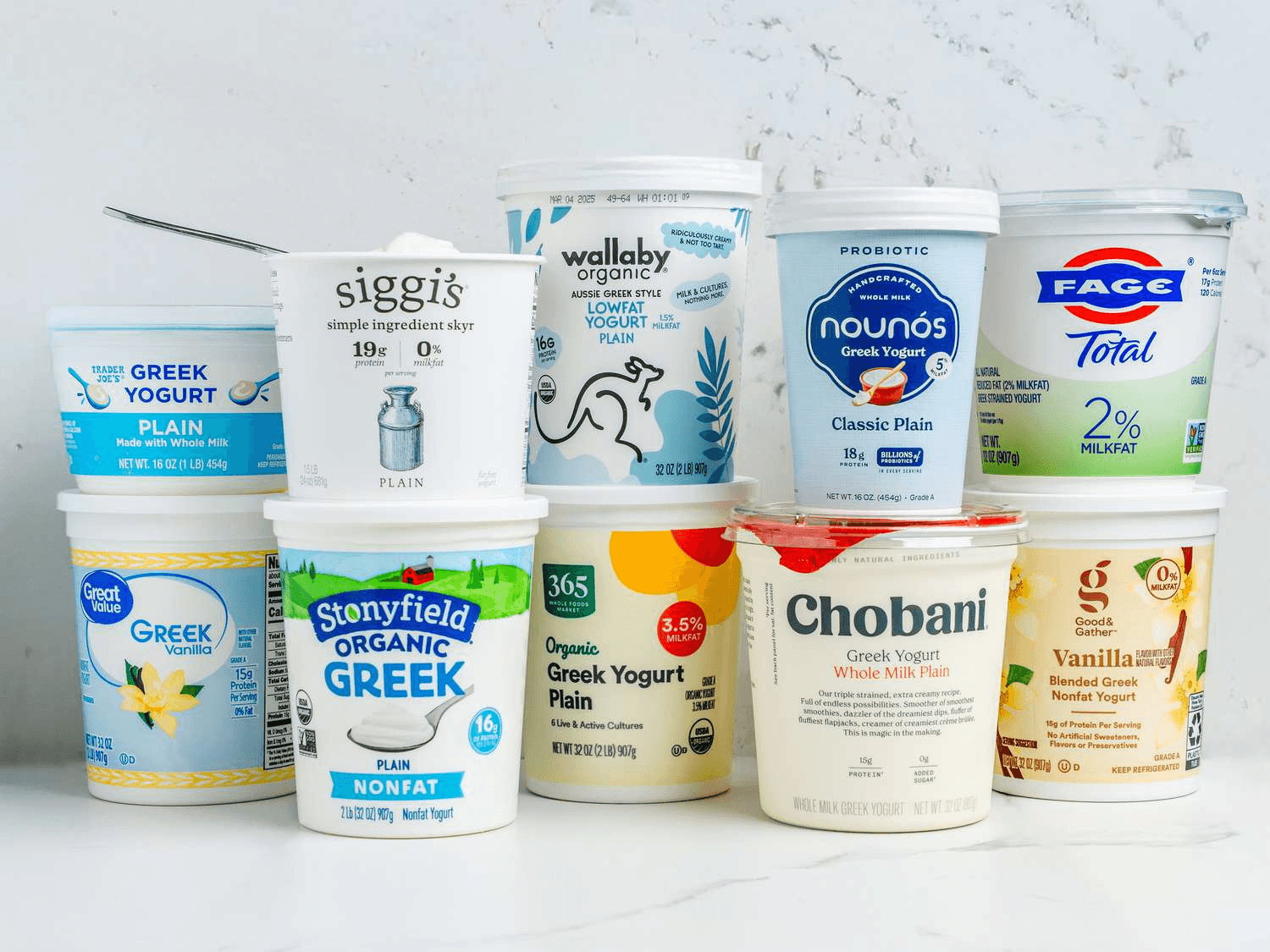
Yogurt is one of the easiest and most accessible fermented foods.
Look for products labeled:
Live and active cultures
Unsweetened or low-sugar
Minimal ingredients
Greek yogurt provides additional protein, making it particularly useful for people focused on body composition and satiety.
Kefir
Kefir may be one of the most probiotic-rich fermented foods available.
Unlike yogurt, kefir contains a wider variety of bacteria and beneficial yeasts.
Many people who tolerate kefir well report:
Improved digestion
Less bloating
Better bowel regularity
Its tangy flavor can take some getting used to, but nutritionally it's impressive.
Kimchi
Kimchi combines fermentation with fiber-rich vegetables.
This traditional Korean dish is typically made from:
Napa cabbage
Radish
Garlic
Ginger
Chili peppers
The combination of probiotics and fiber creates a powerful one-two punch for gut health.
Sauerkraut
Sauerkraut is fermented cabbage rich in beneficial bacteria and plant compounds.
Choose refrigerated varieties whenever possible.
Shelf-stable canned versions are often pasteurized, which may reduce or eliminate live bacteria.
Tempeh
Tempeh provides both probiotics and plant-based protein.
Made from fermented soybeans, tempeh is particularly valuable for:
Vegetarians
Vegans
People seeking higher protein intake
A single serving can provide significant protein alongside beneficial fermentation compounds.
Miso
Miso adds fermented benefits to soups, marinades, and sauces.
Traditional miso contains beneficial microorganisms, though excessive heating may reduce some live cultures.
Adding miso toward the end of cooking helps preserve more of its beneficial properties.
Are pickles good for gut health?
The answer depends entirely on how the pickles are made.
This is where many people get confused.
Pickles that may support gut health
Traditional fermented pickles are made using:
Salt
Water
Natural fermentation
Beneficial bacteria naturally grow during the fermentation process and create the sour flavor.
These pickles often:
Require refrigeration
List simple ingredients
Mention fermentation on the label
Because they contain live cultures, they may provide gut health benefits.
Pickles that may not support gut health
Most supermarket pickles are made using vinegar instead of fermentation.
These pickles:
Are shelf-stable
Often contain preservatives
Usually lack live probiotic bacteria
While they can still be a tasty low-calorie snack, they generally do not provide the same probiotic benefits as naturally fermented pickles.
How to identify gut-friendly pickles
Look for labels that mention:
Naturally fermented
Live cultures
Unpasteurized
Refrigerated
If vinegar appears as the primary ingredient and the jar sits unrefrigerated on a store shelf, it is likely not a probiotic-rich pickle.

Fermented foods versus probiotic supplements
Most people can start with fermented foods before considering supplements.
Fermented foods provide more than just bacteria. They also contain:
Vitamins
Minerals
Bioactive compounds
Fiber (in many cases)
Probiotic supplements may be useful in specific situations, but they typically contain a limited selection of bacterial strains compared to whole foods.
For most healthy adults, building a diet around diverse fermented foods is a practical first step.
How much fermented food should you eat?
More is not always better.
If you currently eat very few fermented foods, start slowly.
A practical approach:
Begin with one serving daily
Increase gradually over several weeks
Observe how your digestive system responds
Examples of one serving:
½ to 1 cup yogurt
1 cup kefir
2–3 tablespoons sauerkraut
2–3 tablespoons kimchi
Some people notice temporary bloating when increasing fermented foods rapidly. This often improves as the gut adapts.
Pair fermented foods with prebiotic foods
Fermented foods work best when beneficial bacteria have something to eat.
Prebiotic foods provide fuel for gut microbes.
Excellent prebiotic foods include:
Garlic
Onions
Oats
Bananas
Asparagus
Apples
Legumes
A bowl of yogurt with oats and banana, for example, combines probiotics and prebiotics in one meal.
Common mistakes people make
Choosing sugary fermented products
Many flavored yogurts contain more sugar than expected.
Always check nutrition labels.
Assuming all pickles contain probiotics
As discussed earlier, most commercial vinegar pickles do not provide live cultures.
Eating fermented foods but neglecting fiber
Probiotics alone are not enough.
A healthy microbiome also needs fiber from fruits, vegetables, legumes, and whole grains.
Expecting overnight results
Gut health improvements typically occur over weeks and months, not days.
Consistency matters more than perfection.
How to make fermented foods part of your routine
The easiest strategy is to attach fermented foods to meals you already eat.
Examples:
Add yogurt to breakfast.
Drink kefir as an afternoon snack.
Serve kimchi alongside rice dishes.
Add sauerkraut to sandwiches.
Use miso in soups and dressings.
I've found that people are far more successful when they focus on small, sustainable habits instead of trying to overhaul their entire diet at once.
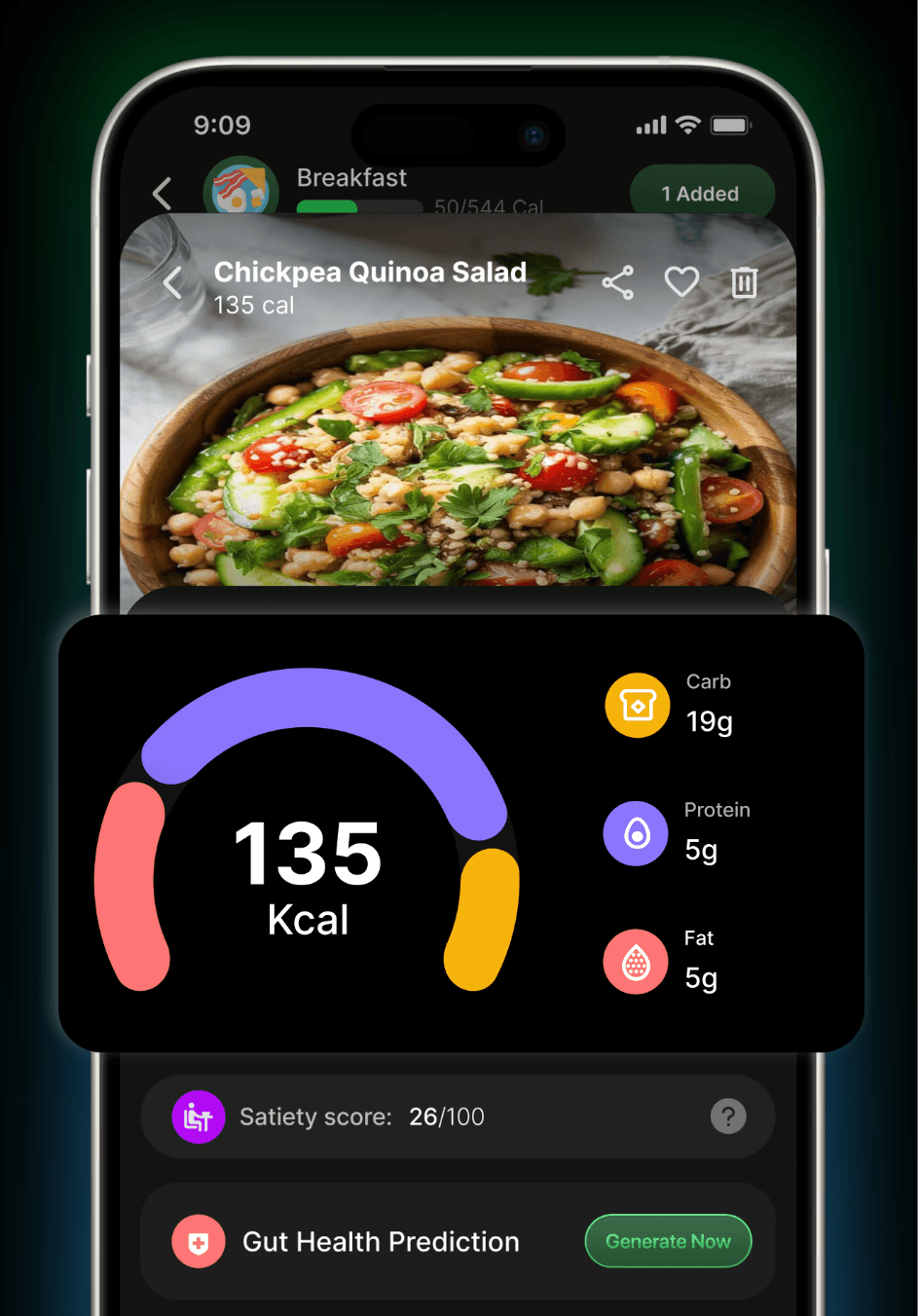
If you're tracking your nutrition, tools like Zorest Macro can help you monitor overall dietary quality, protein intake, and meal consistency while you build gut-friendly habits. Logging meals with the AI Meal Logger also makes it easier to identify which foods help you feel your best.
Final thoughts
Fermented foods can be a valuable addition to a gut-friendly diet. Yogurt, kefir, kimchi, sauerkraut, tempeh, and miso all offer unique benefits that may support microbial diversity and digestive health.
As for the common question, are pickles good for gut health? Some are—but only naturally fermented pickles with live cultures. Most vinegar-based supermarket pickles do not provide meaningful probiotic benefits.
The best approach is simple: eat a variety of fermented foods consistently, pair them with fiber-rich whole foods, and focus on long-term habits rather than quick fixes.
Your gut microbiome is more like a garden than a machine. Feed it well, and it tends to reward you over time.
Got questions? Ping me on Linkedin.