
MD Psychiatry Resident, MBBS
Share this story
Most of us associate inflammation with something visible: a swollen ankle, a red insect bite, that throbbing you feel after cutting your finger. You see it, feel it, and then it goes away.
But there's a quieter kind of inflammation, one with no obvious symptoms, that researchers now link to heart disease, type 2 diabetes, obesity, cognitive decline, and certain cancers. You can have it for years without knowing. And your daily meals are one of the most powerful levers for either driving it or dampening it.
This is what the anti-inflammatory diet is actually about.
What chronic inflammation is (and why it's different from the useful kind)
Inflammation is the immune system doing its job. When you sprain your wrist, immune cells flood the area to start repairs. When that's over, the inflammation resolves. That's the healthy version.
Chronic low-grade inflammation is what happens when the immune system stays partially activated, indefinitely, without an obvious wound to fix. There's no swelling you can see. But at the cellular level, your body is producing pro-inflammatory signaling molecules called cytokines (particularly IL-6, TNF-α, and CRP) at elevated levels, continuously.
This matters because chronic cytokine elevation damages tissues over time. It accelerates arterial plaque buildup, promotes insulin resistance, disrupts the gut lining, and triggers neuroinflammatory processes that impair cognitive function. A 2024 overview in the British Journal of Nutrition described chronic inflammation as a central contributor to the onset and progression of multiple non-communicable diseases, including cardiovascular disease, type 2 diabetes, certain cancers, and neurodegenerative conditions.
So what starts it? Diet is one of the biggest drivers.
How your diet activates (or suppresses) inflammation
Here's the mechanism in plain terms. When you eat a diet high in refined carbohydrates, saturated fats, ultra-processed foods, and processed meats, a few things happen simultaneously.
First, the gut lining weakens. Diets low in fiber deplete the short-chain fatty acid production that keeps the intestinal wall tight. When the barrier loosens, bacterial endotoxins (called lipopolysaccharides, or LPS) can leak into the bloodstream in a process called metabolic endotoxemia. Once in circulation, LPS activate immune receptors that switch on the NF-κB signaling pathway, essentially telling the immune system: something is wrong, stay alert. The result is a sustained low-level inflammatory state. [See also our post on the gut-brain connection for how this pathway also affects mood and cognition.]
Second, excessive saturated fats and refined sugars drive mitochondrial stress and increase production of reactive oxygen species (ROS). These are chemically unstable molecules that damage cell structures and sustain inflammatory signaling.
On the other side of this: diets rich in fiber, antioxidants, omega-3 fatty acids, and polyphenols actively interrupt these pathways. They strengthen the gut barrier, reduce oxidative stress, and suppress NF-κB activation, pulling the immune system back from that state of chronic alert.
What the anti-inflammatory diet actually is
An anti-inflammatory diet is not a strict meal plan. There's no anti-inflammatory diet rulebook the way there is for, say, a ketogenic diet. Think of it as a dietary framework: a consistent pattern of eating that emphasizes foods shown to reduce inflammatory biomarkers and limits foods that raise them.
The pattern that most consistently shows up in the research is the Mediterranean diet. A 2025 umbrella review in Nutrition Reviews, covering data from the CINAHL, Cochrane Library, PubMed, Scopus, and Web of Science databases (searched through March 2025), found that the Mediterranean dietary pattern was the most extensively validated for its inverse associations with inflammatory biomarkers across diverse populations. In practical terms: the closer your diet resembles this pattern, the lower your inflammatory load tends to be.
That pattern has five pillars: lots of vegetables and fruits, whole grains as the default carbohydrate, legumes and nuts as protein and fat staples, fatty fish at least twice a week, and olive oil as the primary cooking fat. Red meat becomes occasional rather than central. Processed foods are the exception, not the norm.
Foods that reduce inflammation
These are not "superfoods" in the marketing sense. They're foods with documented effects on specific biomarkers of inflammation (CRP, IL-6, TNF-α) in clinical trials. Here's what to eat more of, and why each one works.
Fatty fish
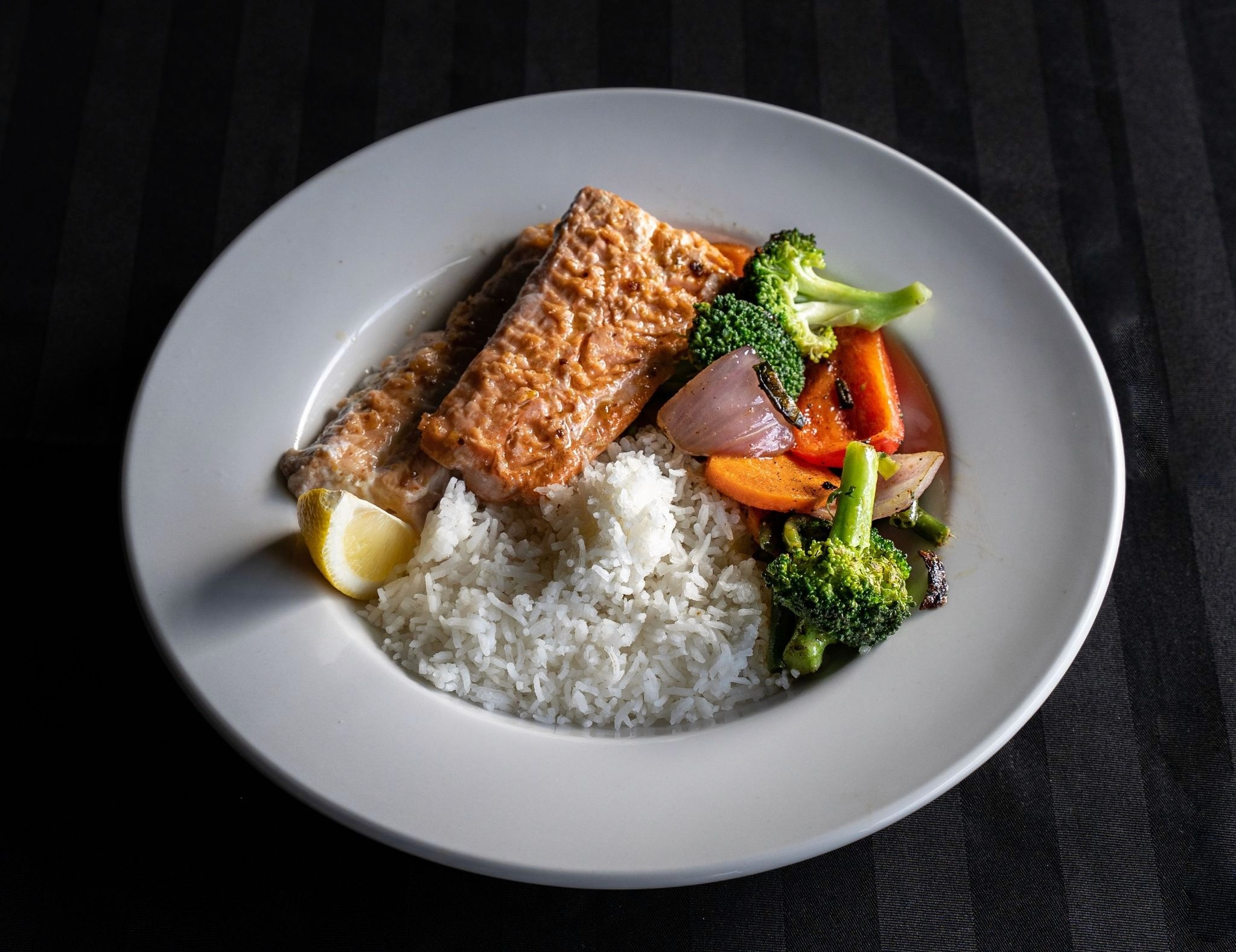
Salmon, mackerel, sardines, and anchovies are high in EPA and DHA, the long-chain omega-3 fatty acids that are among the most studied anti-inflammatory compounds in nutrition. An umbrella meta-analysis in Prostaglandins, Leukotrienes and Essential Fatty Acids found that omega-3 supplementation significantly reduced serum CRP, TNF-α, and IL-6 across multiple health conditions. The mechanism: EPA and DHA compete with arachidonic acid (a pro-inflammatory fatty acid) for the same enzymes, reducing the production of inflammatory eicosanoids and downregulating cytokine expression. Two to three servings of fatty fish per week is a reasonable target for most adults.
Extra virgin olive oil
The active compound here is oleocanthal, a polyphenol that works similarly to ibuprofen in its inhibition of COX-1 and COX-2 enzymes, the same enzymes that produce prostaglandins, a class of pro-inflammatory mediators. Extra virgin olive oil (EVOO) is specifically the grade you want; refined olive oil has most of its polyphenols removed through processing. Use it as a finishing oil on vegetables and grains, not just for cooking at high heat (which can degrade some polyphenols). One to two tablespoons daily is a practical amount.
Berries
Blueberries, strawberries, and raspberries are concentrated sources of anthocyanins, flavonoid pigments with documented anti-inflammatory and antioxidant effects. A 2024 narrative review in Nutrients highlighted fruits, especially berries, as one of the key dietary components showing consistent anti-inflammatory and neuroprotective properties. In practice, frozen berries are as nutritionally relevant as fresh ones, because the anthocyanin content is well-preserved through freezing.
Leafy greens
Spinach, kale, arugula, and chard deliver antioxidants (particularly lutein, zeaxanthin, and vitamin K) along with soluble fiber that feeds anti-inflammatory gut bacteria. A systematic review published in 2025 found that fruits and vegetables reduced circulating inflammatory cytokine levels or increased anti-inflammatory cytokines in 80% of dietary intervention studies reviewed. Daily consumption of at least 2–3 cups of leafy greens is a reasonable starting point.
Legumes
Lentils, chickpeas, black beans, and kidney beans deliver a combination of soluble fiber, resistant starch, and plant-based protein, all of which contribute to a favorable gut microbiome composition. The fiber ferments in the colon, producing short-chain fatty acids like butyrate that directly reduce gut permeability and dampen inflammatory signaling. They're also low on the glycemic index, which means they avoid the blood sugar spikes that trigger inflammatory cascades.
Walnuts and almonds
Walnuts are unique among nuts because they contain alpha-linolenic acid (ALA), a plant-based omega-3 precursor. While ALA converts to EPA and DHA at low rates in the body, walnuts also contain ellagitannins (converted to urolithins by gut bacteria) that have independent anti-inflammatory effects. Almonds are high in vitamin E, a fat-soluble antioxidant that protects cell membranes from oxidative damage. A small handful (30g) daily is an easy, consistent addition.
Turmeric (with black pepper)
Curcumin is the active compound in turmeric and is among the most studied natural anti-inflammatory agents. It works by directly suppressing NF-κB activation. The catch: curcumin has poor bioavailability on its own. Pairing it with piperine (the active compound in black pepper) increases absorption by up to 2,000% according to widely cited research. [⚠️ Medical reviewer flag: The 2,000% bioavailability increase figure is frequently cited but originates from a single 1998 study (Shoba et al.). Please confirm whether more recent evidence supports this range before publication.] Add turmeric and black pepper to curries, roasted vegetables, scrambled eggs, or lentil soups.
Fermented foods
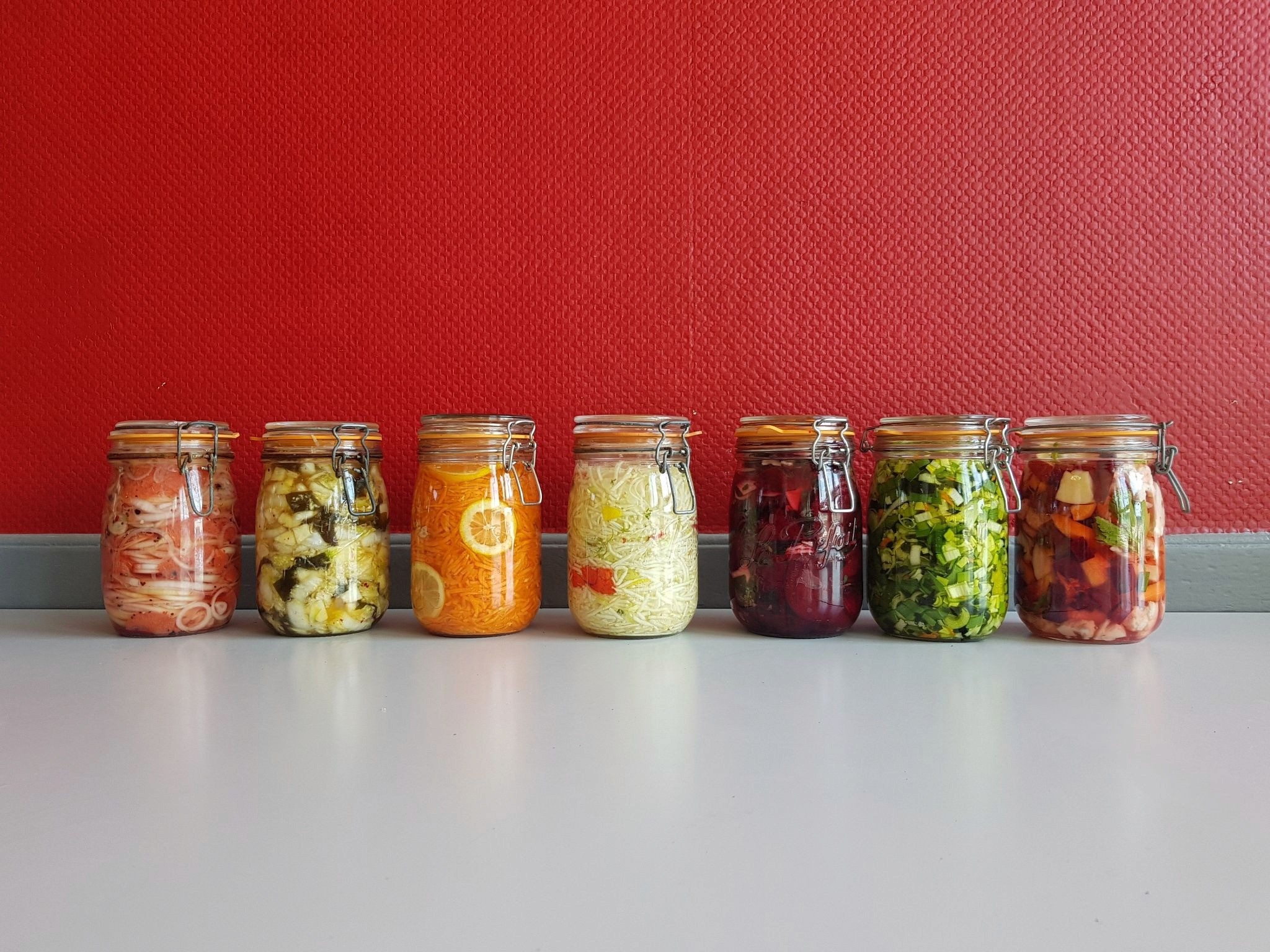
Kimchi, plain yogurt, kefir, and sauerkraut deliver live bacteria that support a diverse gut microbiome. A diverse microbiome is associated with lower inflammatory markers, as it produces more short-chain fatty acids and competes with pro-inflammatory bacterial strains. The 2024 Nutrients review cited fermented foods as one of the key food groups with anti-inflammatory potential, supported in part by the gut-microbiome pathway.
Foods that fuel inflammation
Knowing what to eat more of is useful. Knowing what to reduce is just as important, because even the best diet doesn't fully counteract the damage if pro-inflammatory foods dominate breakfast and dinner.
Refined carbohydrates and added sugar. White bread, pastries, breakfast cereals with high sugar content, and sugar-sweetened drinks spike blood glucose rapidly. Repeated glucose spikes activate inflammatory pathways: they trigger the production of advanced glycation end-products (AGEs) and activate NF-κB signaling. This is a particularly relevant concern for people already managing insulin resistance. For more on how diet affects cardiovascular markers tied to inflammation, see our post on how diet affects cholesterol.
Ultra-processed foods. Ready meals, packaged snacks, reconstituted meats, and fast food tend to be high in refined seed oils, emulsifiers, and artificial additives. A PMC review found that dietary patterns high in processed and ultra-processed foods alter gut microbiota composition in ways that elevate low-grade systemic inflammation.
Processed and cured meats. Bacon, hot dogs, salami, and pepperoni are high in saturated fat, nitrates, and sodium. They activate TLR4 receptors (the same pathway triggered by bacterial endotoxins), driving inflammatory cytokine production.
Trans fats. Partially hydrogenated vegetable oils, still present in some packaged baked goods and fast food, are among the most pro-inflammatory fats in the food supply. They raise LDL cholesterol, reduce HDL, and directly stimulate inflammatory cytokine production. Many countries have banned or restricted them, but they still appear on some labels. Check for "partially hydrogenated" in the ingredients list.
Excess alcohol. Alcohol is metabolized into acetaldehyde, which triggers oxidative stress and inflammatory responses in the liver. Heavy or frequent consumption is a documented driver of systemic inflammation.
How to build an anti-inflammatory meal (a practical framework)
The easiest way to apply this is through plate composition, not calorie counting or macro tracking. Here's a simple framework I use when planning meals:
Half the plate: vegetables and leafy greens. Prioritize variety and color. Dark green (spinach, kale), red (tomatoes, bell peppers), orange (carrots, sweet potato), and purple (red cabbage, beets) each deliver different polyphenols. Aim for 5–7 distinct vegetables across the day.
A quarter of the plate: whole grain or legume. Lentils, brown rice, quinoa, chickpeas, or oats. These deliver the fiber that feeds anti-inflammatory gut bacteria.
A quarter of the plate: lean protein or fatty fish. Two to three times a week, this should be salmon, sardines, or mackerel. On other days: eggs, chicken, legumes as a double-duty source, or tempeh.
Fats from olive oil, avocado, walnuts, or seeds. Use olive oil on everything. Add avocado to salads or as a side. Snack on walnuts.
Spice liberally. Turmeric with black pepper, ginger, garlic, and cumin all have documented anti-inflammatory compounds. They also make food taste good, which makes this sustainable.
A sample dinner: roasted salmon with garlic-turmeric cauliflower, a side of lentils dressed with extra virgin olive oil and lemon, and a handful of rocket (arugula) with cherry tomatoes. That's a full anti-inflammatory profile in one meal.
What to realistically expect
One week of anti-inflammatory eating will not reverse years of dietary damage, and I want to be honest about that upfront. But research does support measurable changes in inflammatory markers over weeks to months of consistent adherence.
Specifically, CRP levels (one of the most commonly measured inflammatory biomarkers) have been shown to decline with sustained Mediterranean-style eating. The 2025 umbrella review in Nutrition Reviews found consistent inverse associations between Mediterranean dietary patterns and major inflammatory markers across studies in adult populations. Time frames in the reviewed studies ranged from 8 weeks to 12 months. Longer adherence produced more pronounced effects.
Subjectively, people often notice changes before their labs do: less joint stiffness in the morning, more consistent energy (without the post-lunch crash driven by refined carbs), and clearer cognition. That cognitive effect has a mechanistic basis: neuroinflammation and brain fog share the same upstream pathway. Our post on nutrition and brain fog covers that in depth.
I'd also argue that the benefits of this eating pattern extend well beyond inflammation markers. It improves gut microbiome diversity, supports stable blood sugar, and delivers a dense range of micronutrients, many of which are depleted in the typical Western diet. These aren't separate benefits; they all interact with inflammatory status.
Final thoughts
The anti-inflammatory diet is not a protocol you follow for 30 days. It's a way of eating that, over time and with enough consistency, meaningfully reduces the background inflammatory noise that contributes to chronic disease.
The practical entry point is simpler than most people expect: more vegetables, more fatty fish, whole grains instead of refined ones, olive oil instead of seed oils, and far less of the ultra-processed food that makes up the bulk of modern diets. You don't need to be perfect. A plate that's 70–80% anti-inflammatory is meaningfully different from one that's 20%.
Start there.