

MD Psychiatry Resident, MBBS
Share this story
Protein powder has become one of the most popular nutrition supplements, but the variety of options can be confusing. One question I hear repeatedly is: Should I buy whey protein or whey isolate?
The answer isn't as simple as "one is better." It depends on your goals, budget, digestion, and daily protein needs.
In this guide, I'll explain the real difference between whey and whey isolate, who each one is best for, and whether spending extra on isolate is actually worth it.
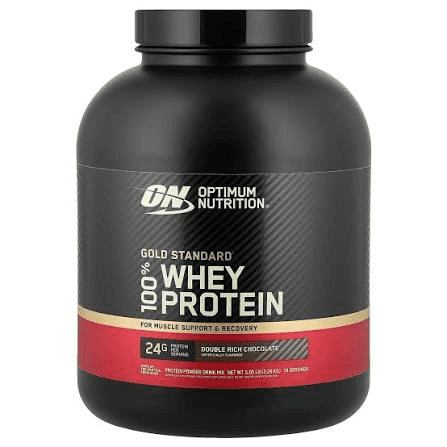
What is whey protein?
Whey protein is a high-quality protein extracted during the cheese-making process. When milk is separated into curds and liquid whey, the liquid undergoes filtration and drying to become the powder found in most supplements.
Whey is considered a complete protein because it contains all nine essential amino acids your body cannot produce on its own. It's also naturally rich in branched-chain amino acids (BCAAs), particularly leucine, which plays an important role in stimulating muscle protein synthesis.
Because it's rapidly digested, whey protein is commonly consumed after workouts, although it can also be used anytime to help meet daily protein targets.
What is whey isolate?
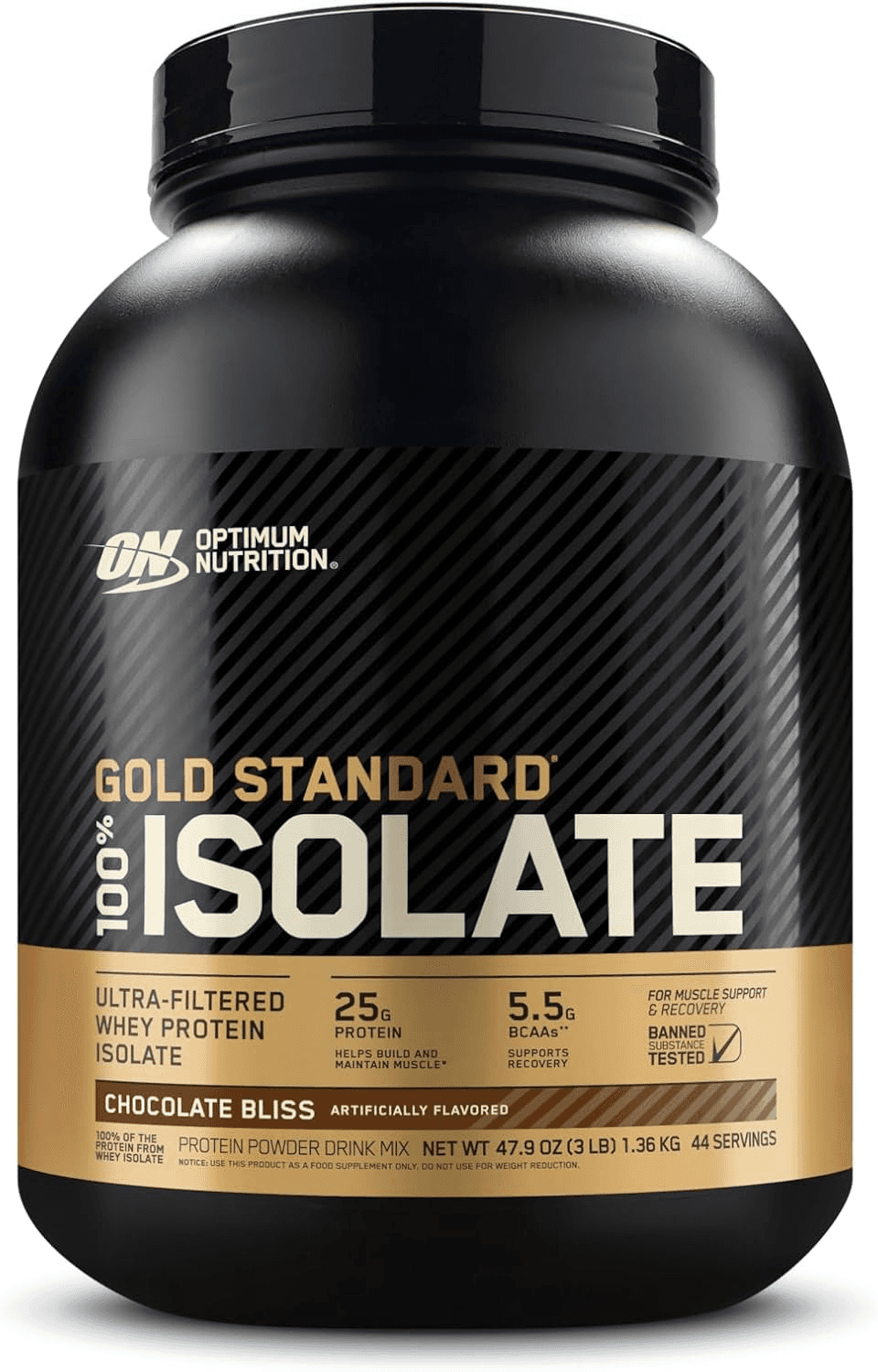
Whey isolate starts as regular whey protein but undergoes additional filtration to remove more fat, lactose, and carbohydrates.
The result is a much purer protein powder that typically contains 90% or more protein by weight, compared with around 70–80% in standard whey concentrate.
This extra processing produces a leaner product that contains fewer calories and is usually easier to digest for people who are sensitive to lactose.
Whey vs. whey isolate: The biggest differences
Feature | Whey Protein Concentrate | Whey Protein Isolate |
Protein content | 70–80% | 90% or higher |
Lactose | Higher | Very low |
Fat | Slightly higher | Very low |
Carbohydrates | Slightly higher | Very low |
Calories | Slightly higher | Slightly lower |
Price | More affordable | More expensive |
Digestion | Good for most people | Better for lactose-sensitive individuals |
The nutritional differences look significant on paper, but for many healthy adults, the practical difference is relatively small.
Which builds more muscle?
Bottom line: Both are highly effective for building muscle.
Research consistently shows that total daily protein intake matters far more than whether your protein comes from concentrate or isolate.
For example:
A 25-gram serving of whey concentrate typically provides around 20 grams of protein.
A 25-gram serving of whey isolate may provide around 23–24 grams.
That small difference is unlikely to produce noticeably different muscle gains if you're already eating enough protein throughout the day.
The most important factors remain:
Consuming enough daily protein
Progressive strength training
Adequate recovery
Consistency over months
Who should choose whey protein?
Standard whey concentrate is a great choice if you:
Want the best value for money
Digest dairy without problems
Want an affordable daily protein supplement
Are trying to gain muscle on a budget
Don't mind consuming a few extra calories
For most gym-goers, whey concentrate delivers everything needed for muscle growth without the higher price tag.
Who should choose whey isolate?
Whey isolate is worth considering if you:
Have mild lactose intolerance
Want the highest protein concentration possible
Are following a strict calorie-controlled diet
Compete in bodybuilding or physique sports
Prefer lower carbohydrate and fat intake
The lower lactose content also makes isolate easier on the stomach for many people who experience bloating after regular whey.
Is whey isolate better for weight loss?
Not necessarily.
Weight loss depends primarily on maintaining a calorie deficit.
Since whey isolate contains slightly fewer calories and slightly more protein per serving, it can support a calorie-controlled diet. However, the calorie difference between whey and isolate is usually only around 15–30 calories per serving.
For most people, this difference is too small to significantly affect fat loss.
The real advantage comes from using protein to stay full, preserve muscle during weight loss, and reduce hunger—not from choosing isolate over concentrate.
Does whey isolate digest faster?
Yes, but only slightly.
Because isolate contains less fat and lactose, it empties from the stomach a little faster than whey concentrate.
In practical terms, this minor difference has very little impact unless you're an elite athlete timing nutrition around multiple daily training sessions.
For the average person, both proteins digest quickly enough to support recovery.
What about lactose intolerance?
This is where whey isolate has a clear advantage.
Whey concentrate still contains some lactose, which can cause:
Bloating
Gas
Stomach discomfort
Diarrhea
for individuals with lactose intolerance.
Since isolate removes most of the lactose during filtration, many lactose-sensitive people tolerate it much better.
If you have severe lactose intolerance or a dairy allergy, you may still need to consider completely dairy-free protein sources such as pea, soy, or rice protein.
Is whey isolate worth the higher price?
For many people, the answer is no.
If you digest whey concentrate comfortably, the additional protein per serving often doesn't justify paying substantially more.
However, isolate can be a worthwhile investment if:
Digestive comfort is important
You're minimizing every calorie
You want maximum protein with minimal fat and carbs
Otherwise, concentrate remains one of the best values in sports nutrition.
Common myths about whey isolate
Myth 1: Whey isolate builds muscle much faster
There is little evidence that isolate produces dramatically better muscle gains when total protein intake is equal.
Myth 2: Whey concentrate is low quality
Not true.
High-quality whey concentrate contains all essential amino acids and supports muscle growth just as effectively.
Myth 3: Everyone needs whey isolate
Most recreational lifters don't.
Concentrate works extremely well for the majority of healthy adults.
How to choose the right protein powder
Before buying, ask yourself these questions:
Do I digest dairy comfortably?
Is my budget limited?
Am I cutting calories aggressively?
Do I need extremely low lactose?
Will I use protein every day?
If budget matters most, whey concentrate is usually the smarter purchase.
If digestion or calorie precision matters most, whey isolate is often worth paying extra for.
Final thoughts
The difference between whey and whey isolate isn't as dramatic as marketing often suggests.
Both provide high-quality protein that supports muscle growth, recovery, and overall health. Whey isolate simply goes through additional filtration, giving it more protein and less lactose, fat, and carbohydrates.
For most people, regular whey concentrate offers the best balance of nutrition, performance, and affordability. Whey isolate becomes the better option mainly for people with lactose sensitivity or those who want the leanest protein possible.
Instead of worrying about which powder is slightly better, focus on consistently meeting your daily protein needs. That's what makes the biggest difference over time.
Got questions? Ping me on LinkedIn.