
MD Psychiatry Resident, MBBS
Share this story
Introduction
Inflammation isn't always the enemy. It's your body's natural defense against injury and infection. The problem starts when inflammation never switches off. Chronic, low-grade inflammation has been linked to heart disease, type 2 diabetes, obesity, arthritis, certain cancers, and even depression.
The good news? Your daily food choices can influence inflammation more than most people realize. An anti-inflammatory diet isn't a restrictive fad it's simply a way of eating that emphasizes whole, nutrient-rich foods while reducing those known to promote inflammation.
In this guide, I'll explain what an anti-inflammatory diet is, which foods to eat and avoid, and how to build meals that support long-term health.

What is an anti-inflammatory diet?
An anti-inflammatory diet is a pattern of eating that focuses on foods rich in vitamins, minerals, antioxidants, fiber, and healthy fats that help regulate the body's inflammatory response.
Rather than relying on a single "superfood," the diet works because many healthy foods work together to reduce oxidative stress and support normal immune function.
Research has consistently shown that dietary patterns similar to the Mediterranean diet are associated with lower inflammatory markers such as C-reactive protein (CRP).
Unlike many popular diets, this approach doesn't require counting calories or eliminating entire food groups. It focuses on eating more of the foods your body benefits from while limiting those that may contribute to chronic inflammation.
How inflammation and diet are connected
Everything you eat sends signals throughout your body.
Meals high in refined carbohydrates, added sugars, and highly processed foods may increase inflammatory activity. On the other hand, foods rich in omega-3 fats, fiber, and antioxidants can help reduce it.
Inflammation is influenced by several dietary factors:
Blood sugar spikes from refined carbohydrates
Oxidative stress caused by poor dietary quality
Imbalances between omega-6 and omega-3 fats
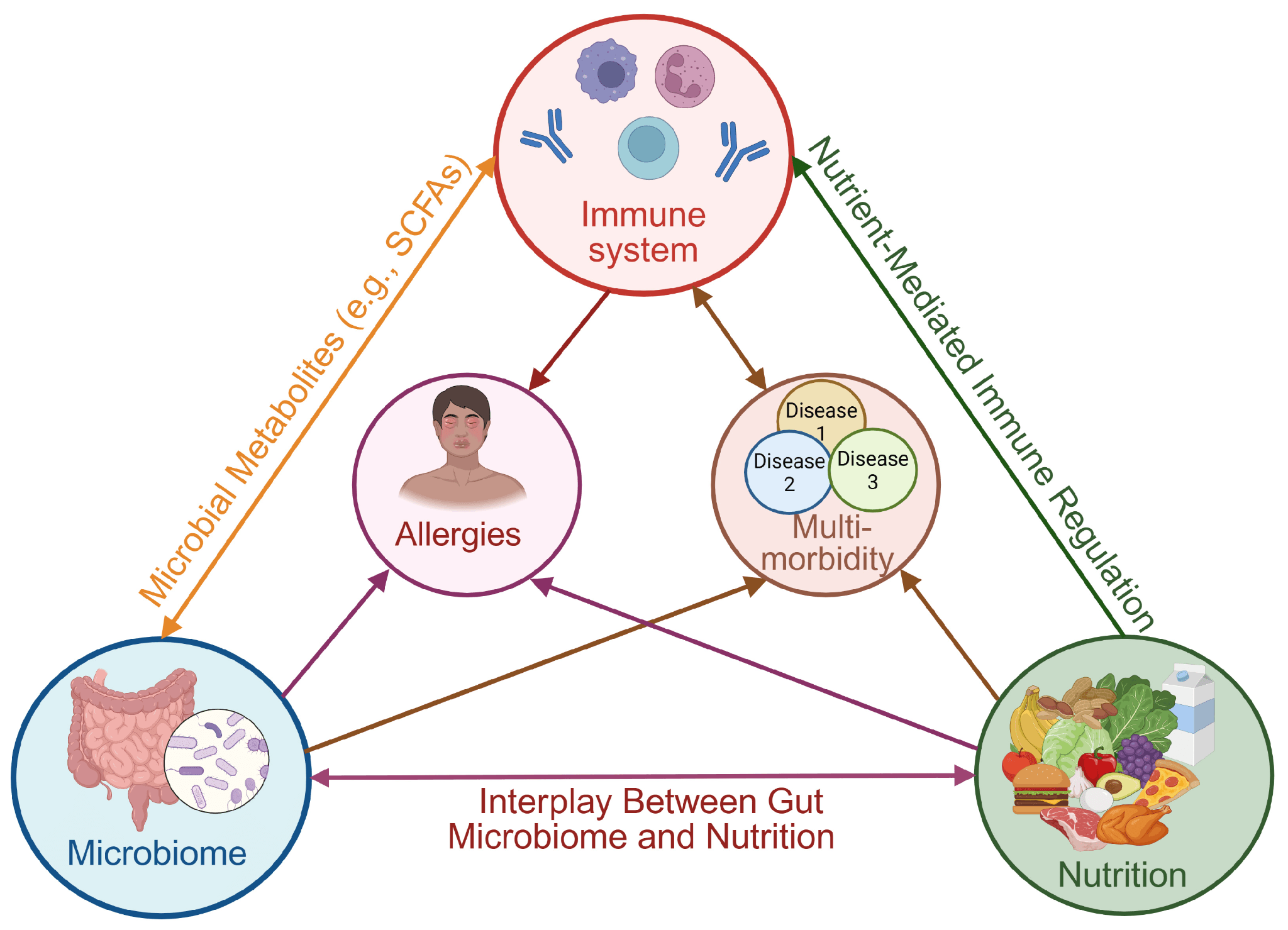
Gut microbiome health
Overall nutrient intake
Your diet doesn't work in isolation. Exercise, sleep, stress, smoking, and alcohol consumption all influence inflammation as well.
Benefits of an anti-inflammatory diet
Following an anti-inflammatory eating pattern may offer several health benefits over time.
Better heart health
Foods rich in fiber, healthy fats, and antioxidants can improve cholesterol levels, reduce blood pressure, and support healthy blood vessels.
Improved joint health
Many people with arthritis report reduced joint pain and stiffness after consistently eating more anti-inflammatory foods, especially fatty fish, olive oil, fruits, and vegetables.
Better blood sugar control
Whole grains, legumes, and vegetables digest more slowly, helping stabilize blood sugar and insulin levels.
Easier weight management
Anti-inflammatory foods tend to be more filling because they're high in protein, fiber, or healthy fats. This naturally reduces overeating.
Better gut health
Fiber-rich foods nourish beneficial gut bacteria, which produce compounds that help regulate inflammation.
Improved brain health
Studies suggest diets rich in omega-3 fatty acids, berries, leafy greens, and nuts may help support cognitive function as people age.
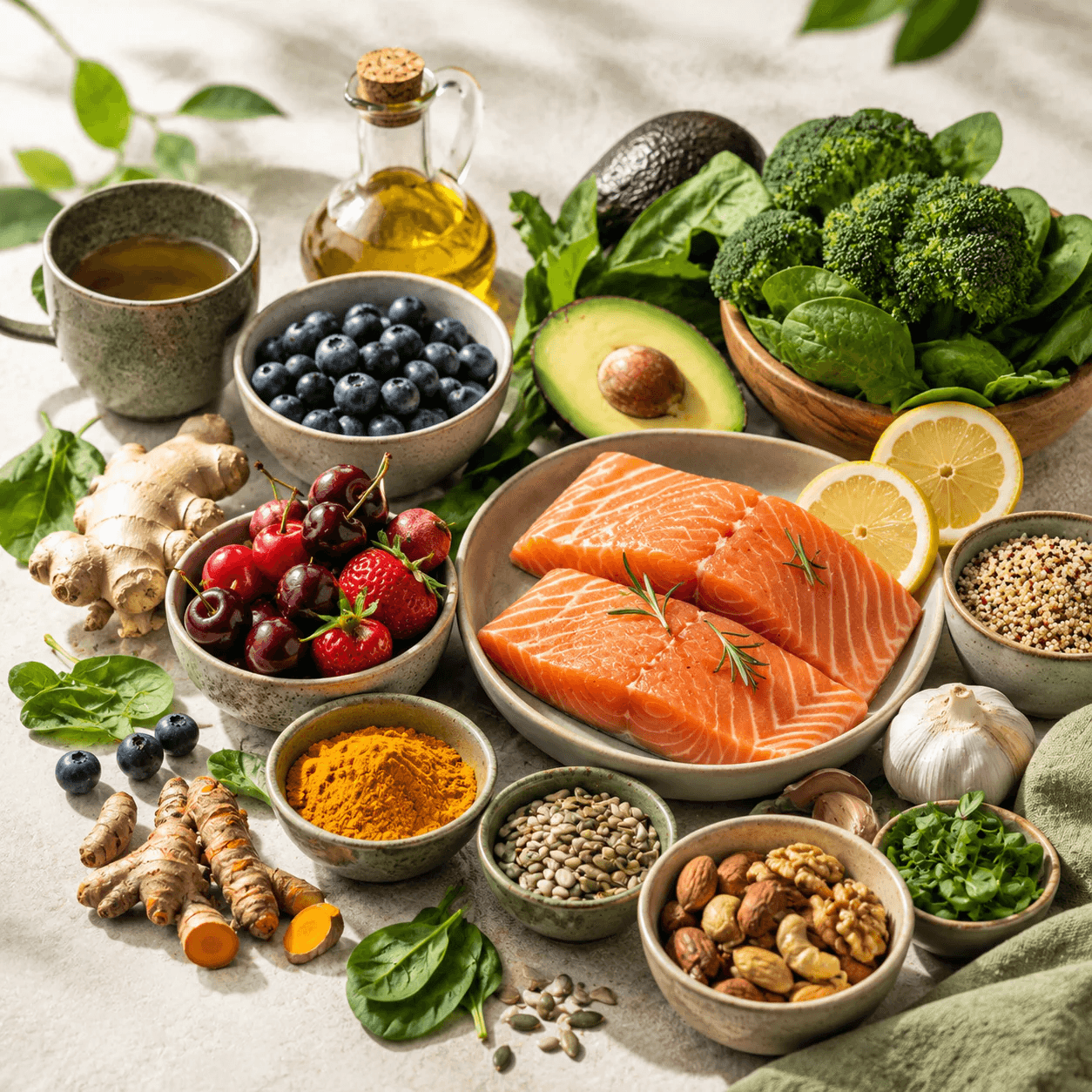
Foods to eat on an anti-inflammatory diet
The goal isn't perfection. Aim to build most meals around these foods.
Fruits
Blueberries
Strawberries
Cherries
Oranges
Apples
Pomegranate
These provide antioxidants called polyphenols that help protect cells from damage.
Vegetables
Spinach
Kale
Broccoli
Brussels sprouts
Bell peppers
Tomatoes
Carrots
Try to include vegetables of different colors throughout the week.
Healthy fats
Extra virgin olive oil
Avocados
Walnuts
Almonds
Pistachios
Flaxseeds
Chia seeds
Fatty fish
Salmon
Sardines
Mackerel
Trout
Herring
These are among the richest dietary sources of omega-3 fatty acids.
Whole grains
Oats
Brown rice
Quinoa
Barley
Whole wheat
Whole grains provide more fiber and nutrients than refined grains.
Legumes
Lentils
Chickpeas
Black beans
Kidney beans
Excellent sources of protein and fiber.
Herbs and spices
Turmeric
Ginger
Garlic
Cinnamon
Rosemary
Oregano
These add flavor while providing beneficial plant compounds.
Fermented foods
Yogurt
Kefir
Kimchi
Sauerkraut
Miso
These may help support a healthier gut microbiome.
Foods to limit
No food needs to be permanently banned, but these are worth reducing.
Sugary drinks
Candy
Cakes
White bread
Deep-fried foods
Processed meats
Excess alcohol
Highly processed snack foods
Fast food
Trans fats
Occasional treats are unlikely to cause problems. It's your overall eating pattern that matters most.
Sample one-day anti-inflammatory meal plan
Breakfast
Greek yogurt topped with blueberries, walnuts, chia seeds, and oats.
Snack
Apple with almond butter.
Lunch
Grilled salmon, quinoa, roasted broccoli, spinach salad, and olive oil dressing.
Snack
Carrot sticks with hummus.
Dinner
Lentil soup with mixed vegetables and whole-grain bread.
Dessert
Fresh berries.
This menu provides protein, healthy fats, fiber, and a wide variety of antioxidants.
Simple habits that make the diet easier
Many people struggle because they try to overhaul everything overnight.
Instead, make one small improvement each week.
For example:
Replace sugary drinks with water.
Add vegetables to lunch every day.
Eat fish twice each week.
Swap white rice for brown rice.
Cook with olive oil instead of butter.
Eat fruit instead of dessert several times per week.
These small changes are easier to maintain than dramatic restrictions.
Common myths about anti-inflammatory diets
Myth 1: Certain foods instantly reduce inflammation
No single food can dramatically lower inflammation overnight. Consistency matters far more.
Myth 2: You need expensive superfoods
Many affordable foods—beans, oats, frozen vegetables, apples, and canned sardines—fit perfectly into an anti-inflammatory diet.
Myth 3: You must eliminate gluten
Unless you have celiac disease or gluten sensitivity, there's little evidence that avoiding gluten reduces inflammation.
Myth 4: Supplements replace healthy eating
Some supplements may help in specific situations, but they cannot compensate for an unhealthy diet.
Who should consider an anti-inflammatory diet?
Most healthy adults can benefit from eating this way.
It may be especially helpful for people with:
Heart disease
Type 2 diabetes
Obesity
Arthritis
Metabolic syndrome
High blood pressure
Fatty liver disease
If you have kidney disease, inflammatory bowel disease, or other medical conditions requiring specialized nutrition, consult a registered dietitian or healthcare professional before making major dietary changes.
Frequently asked questions
How long does it take to see results?
Some people notice improvements in energy or digestion within a few weeks. Changes in inflammatory markers may take several months of consistent healthy eating.
Is coffee inflammatory?
Moderate coffee consumption appears to be neutral or even beneficial for many people because it contains antioxidants. However, sugary coffee drinks may have the opposite effect.
Can an anti-inflammatory diet help with weight loss?
Yes. Although weight loss isn't the primary goal, many people lose weight because the diet emphasizes filling, minimally processed foods.
Is the Mediterranean diet anti-inflammatory?
Yes. The Mediterranean diet is considered one of the best-researched anti-inflammatory eating patterns.
Final thoughts
An anti-inflammatory diet isn't about chasing miracle foods or following restrictive rules. It's about building meals around vegetables, fruits, whole grains, legumes, healthy fats, and lean proteins while limiting highly processed foods.
I've found that people who succeed with this approach don't obsess over individual meals. Instead, they focus on improving their eating pattern over months and years. That's where the real health benefits come from.
Start with one or two small changes this week. Those consistent habits are far more powerful than any short-term diet.