
MD Psychiatry Resident, MBBS
Share this story
Type 2 diabetes affects millions of people worldwide, yet one of the most powerful treatments doesn't come from a prescription bottle. It comes from your plate.
The right diet can improve blood sugar control, reduce insulin resistance, support weight loss, lower cardiovascular risk, and in some cases even help people achieve diabetes remission.
The challenge? Most advice online is either overly restrictive or confusing.
This guide explains exactly what a type 2 diabetes diet should look like, which foods help stabilize blood sugar, which foods deserve caution, and how to build meals you can realistically follow for life.
What is a type 2 diabetes diet?
A type 2 diabetes diet is an eating pattern designed to help maintain stable blood glucose levels while providing adequate nutrition.
Contrary to popular belief, it isn't a special "diabetic diet."
Instead, it's a balanced way of eating that emphasizes:
High-fiber foods
Lean protein sources
Healthy fats
Minimally processed carbohydrates
Consistent meal timing
The goal is simple: prevent large blood sugar spikes and improve the body's ability to use insulin effectively.
Why diet matters so much in type 2 diabetes
Diet directly influences blood glucose levels.
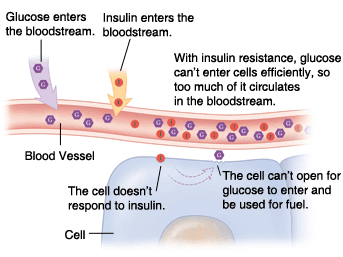
Every time you eat carbohydrates, your body breaks them down into glucose. Insulin then helps move that glucose into your cells.
In type 2 diabetes, cells become resistant to insulin's effects. As a result, glucose stays in the bloodstream longer, causing elevated blood sugar levels.
Research consistently shows that dietary changes can significantly improve:
HbA1c levels
Fasting blood sugar
Body weight
Blood pressure
Cholesterol levels
According to the American Diabetes Association, lifestyle interventions remain one of the most effective first-line treatments for type 2 diabetes.
The best foods to eat with type 2 diabetes
The best diabetes-friendly foods share one thing in common: they provide nutrients without causing dramatic blood sugar spikes.
Non-starchy vegetables
Non-starchy vegetables are among the most beneficial foods for blood sugar control.
Examples include:
Broccoli
Spinach
Kale
Cauliflower
Cucumber
Bell peppers
Zucchini
Cabbage
These foods are rich in fiber, vitamins, minerals, and antioxidants while remaining low in calories and carbohydrates.
A practical rule I often recommend is filling half your plate with vegetables before adding anything else.
Lean proteins
Protein helps increase satiety and slows digestion, which can reduce post-meal blood sugar spikes.
Good choices include:
Chicken breast
Turkey
Fish
Eggs
Greek yogurt
Tofu
Tempeh
Cottage cheese
Fatty fish such as salmon, sardines, and mackerel provide additional heart-health benefits through omega-3 fatty acids.
High-fiber carbohydrates
People with diabetes do not need to eliminate carbohydrates completely.
The focus should be on choosing carbs that digest slowly.
Examples include:
Oats
Quinoa
Brown rice
Lentils
Chickpeas
Black beans
Sweet potatoes
Fiber slows glucose absorption, helping maintain more stable blood sugar levels.
Healthy fats
Healthy fats improve satiety and support cardiovascular health.
Good options include:
Avocados
Olive oil
Nuts
Seeds
Nut butters
Fatty fish
Because people with type 2 diabetes have a higher risk of heart disease, choosing heart-healthy fats is particularly important.
Low-glycemic fruits
Fruit often gets an unfair reputation.
Most whole fruits can be included in a diabetes-friendly diet.
Excellent options include:
Berries
Apples
Pears
Oranges
Kiwi
Peaches
Whole fruits contain fiber that helps moderate blood sugar responses.
Foods to limit with type 2 diabetes
No single food causes diabetes, but certain foods can make blood sugar management significantly harder.
Sugary beverages
These include:
Soda
Sweetened tea
Energy drinks
Fruit juices
Sweet coffee beverages
Liquid calories are absorbed rapidly and often cause substantial blood sugar spikes.
Refined carbohydrates
Examples include:
White bread
White rice
Pastries
Cookies
Cakes
Sugary breakfast cereals
These foods digest quickly and can lead to sharp glucose increases.
Highly processed snacks
Common culprits include:
Chips
Crackers
Candy
Packaged desserts
Many combine refined carbohydrates with unhealthy fats and excess sodium.
Excessive alcohol
Alcohol can interfere with blood sugar regulation and medication effectiveness.
If you drink, discuss safe limits with your healthcare provider.
Understanding the plate method
One of the simplest strategies for managing type 2 diabetes is the Diabetes Plate Method.
Imagine your dinner plate divided into sections:
Half the plate
Fill with non-starchy vegetables such as:
Broccoli
Salad
Green beans
Cauliflower
One quarter of the plate
Add lean protein such as:
Chicken
Fish
Tofu
Eggs
One quarter of the plate
Add quality carbohydrates such as:
Brown rice
Sweet potatoes
Beans
Quinoa
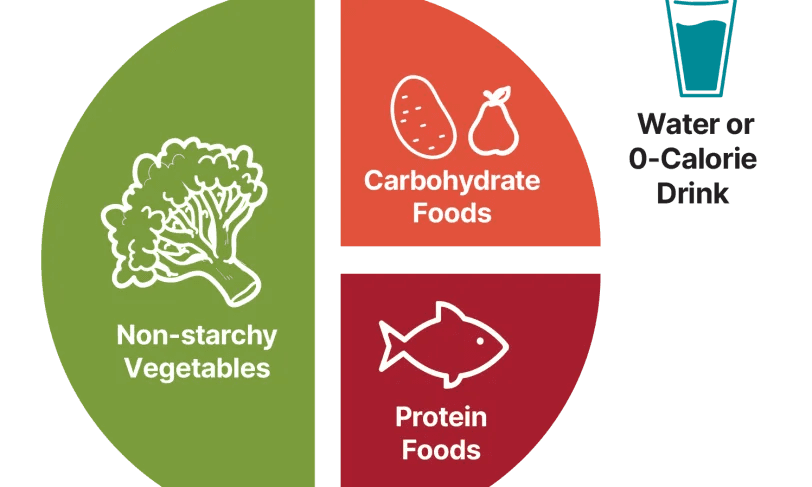
This approach naturally balances nutrients without requiring complicated calculations.
Sample one-day type 2 diabetes meal plan
Breakfast
Vegetable omelet
One slice whole-grain toast
Black coffee or unsweetened tea
Mid-morning snack
Greek yogurt
Small handful of berries
Lunch
Grilled chicken salad
Mixed vegetables
Olive oil vinaigrette
Afternoon snack
Apple with peanut butter
Dinner
Baked salmon
Roasted broccoli
Quinoa
Evening option
Cottage cheese with cinnamon
This meal pattern provides protein, fiber, healthy fats, and moderate carbohydrates throughout the day.
Can weight loss improve type 2 diabetes?
Yes.
For people who carry excess body weight, even modest weight loss can improve insulin sensitivity.
Research shows that losing 5–10% of body weight often leads to meaningful improvements in:
Blood sugar control
HbA1c
Blood pressure
Cholesterol
Some individuals who achieve substantial weight loss may even experience remission of type 2 diabetes under medical supervision.
The key is sustainability.
Crash diets may produce short-term results but rarely create lasting improvements.
Common mistakes people make
Eliminating all carbohydrates
Carbohydrates are not the enemy.
The type and quantity of carbs matter far more than complete elimination.
Skipping meals
Many people think eating less frequently will improve blood sugar.
In reality, skipping meals can increase hunger and contribute to overeating later.
Relying on "diabetic" foods
Products marketed as diabetic-friendly are not automatically healthy.
Many still contain calories, fats, or carbohydrates that affect blood sugar.
Ignoring portion sizes
Even healthy foods can impact glucose levels when consumed in very large amounts.
Portion awareness remains important.
Should you follow low-carb, Mediterranean, or keto diets?
Several eating patterns can help manage type 2 diabetes.
Mediterranean diet
This is one of the most researched dietary approaches.
It emphasizes:
Vegetables
Fruits
Fish
Olive oil
Legumes
Whole grains
Research consistently links it with improved blood sugar control and cardiovascular health.
Low-carb diet
Many people experience improved glucose management when reducing carbohydrate intake.
The degree of restriction varies widely between individuals.
Ketogenic diet
Very low-carbohydrate diets may produce significant blood sugar improvements for some people.
However, they can be difficult to sustain long term and may not be appropriate for everyone.
The best diet is the one that:
Controls blood sugar
Meets nutritional needs
Fits your lifestyle
Can be maintained for years
Frequently asked questions
Can people with type 2 diabetes eat fruit?
Yes. Whole fruits are generally encouraged because they contain fiber, vitamins, and antioxidants.
Is sugar completely forbidden?
No. Small amounts can fit into an overall balanced eating pattern. The focus should be on overall dietary quality.
How many carbs should I eat per day?
There is no universal number. Needs vary based on body size, activity level, medications, and health goals.
Are artificial sweeteners safe?
Most approved artificial sweeteners are considered safe in moderation. However, water remains the best beverage choice.
Final thoughts
A successful type 2 diabetes diet is not about perfection. It's about consistency.
Focus on vegetables, lean proteins, high-fiber carbohydrates, healthy fats, and reasonable portions. Limit highly processed foods and sugary drinks. Most importantly, choose habits you can sustain for years rather than weeks.
The most effective diabetes diet isn't the strictest one. It's the one you'll actually follow.
Got questions? Ping me on Linkedin.