
MD Psychiatry Resident, MBBS
Share this story
Most fad diets promise the same thing: rapid weight loss with minimal effort.
The Military Diet is one of the most popular examples. It claims you can lose up to 10 pounds in a week by following a strict 3-day meal plan followed by 4 days of less restrictive eating. Sounds appealing, especially if you have an upcoming event or want to kickstart your weight loss journey.
But here's the question: does it actually work, and more importantly, is it a healthy way to lose weight?
Let's break down the science, the meal plan, the pros and cons, and whether the Military Diet deserves a place in your weight-loss strategy.
What is the Military Diet?
The Military Diet, also called the 3-Day Diet, is a short-term, low-calorie eating plan designed to produce rapid weight loss. Despite its name, it has no connection to any military organization. (Healthline)
The diet follows a simple structure:
Days 1–3: Follow a strict meal plan of approximately 1,100–1,400 calories per day.
Days 4–7: Eat a less restrictive diet while staying around 1,500 calories daily.
Many proponents claim you can lose up to 10 pounds in a week. However, there is no scientific evidence supporting that specific claim. (Healthline)
How does the Military Diet work?
The bottom line: it works by creating a large calorie deficit.
Most adults require between 1,800 and 2,500 calories daily depending on age, sex, body size, and activity level. The Military Diet drastically cuts calories below those levels for three consecutive days. (Healthline)
When calorie intake drops sharply:
Your body uses stored glycogen for energy.
Glycogen loss causes water loss.
Weight on the scale decreases quickly.
Some fat loss may occur due to the calorie deficit.
This explains why many people see rapid results initially. However, much of the early weight loss is water weight rather than body fat. (Healthline)
What do you eat on the Military Diet?
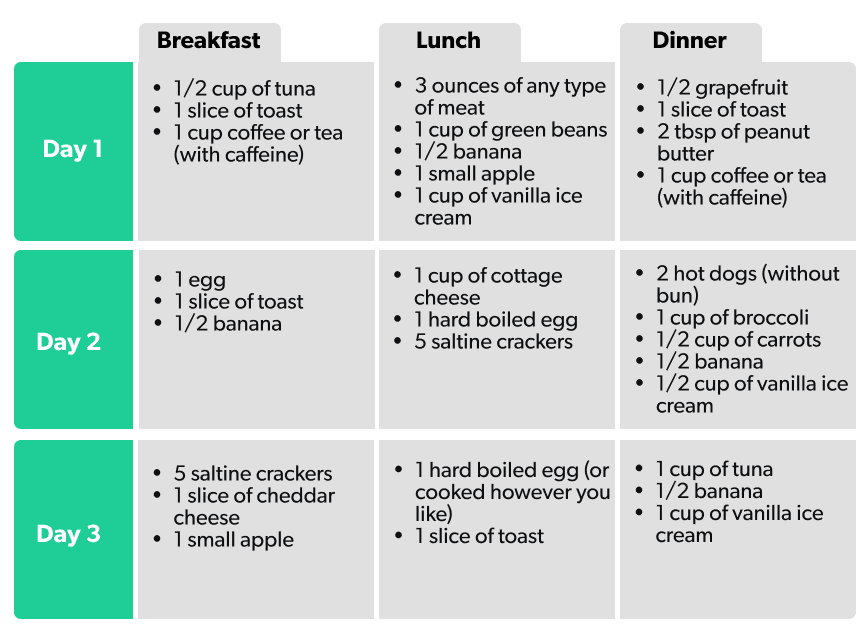
The Military Diet is highly structured. You are expected to eat specific foods in specific portions.
Day 1 example
Breakfast
1 slice toast
2 tablespoons peanut butter
Half grapefruit
Coffee or tea
Lunch
1 slice toast
Half cup tuna
Coffee or tea
Dinner
3 ounces meat
Green beans
Half banana
Small apple
Vanilla ice cream
Day 2 example
Breakfast
1 egg
1 slice toast
Half banana
Lunch
Cottage cheese
Hard-boiled egg
Saltine crackers
Dinner
Two hot dogs (without buns)
Broccoli
Carrots
Half banana
Vanilla ice cream
Day 3 example
Breakfast
Saltine crackers
Cheese
Small apple
Lunch
Toast
Egg
Dinner
Tuna
Half banana
Vanilla ice cream
The remaining four days are less restrictive, but calorie intake is still encouraged to stay around 1,500 calories daily. (Verywell Fit)
Can you really lose 10 pounds in a week?
Probably not.
While some people may see the scale drop by several pounds, most experts agree that losing 10 pounds of body fat in one week is unrealistic and unlikely. (Healthline)
To lose one pound of fat, you generally need a calorie deficit of approximately 3,500 calories.
A significant portion of the weight lost during the Military Diet comes from:
Water loss
Reduced glycogen stores
Less food sitting in the digestive tract
Once normal eating resumes, some of that weight often returns. (Healthline)
Potential benefits of the Military Diet
The Military Diet isn't entirely without positives.
It's simple
There is very little decision-making involved.
You don't need:
Meal planning
Recipe creation
Macro calculations
Just follow the prescribed menu.
It may provide short-term motivation
Some people find that seeing quick movement on the scale motivates them to adopt healthier long-term habits.
It can create a calorie deficit
Weight loss ultimately requires a calorie deficit, and the Military Diet certainly delivers one. (BodySpec)
The biggest drawbacks of the Military Diet
This is where most nutrition professionals raise concerns.
It's extremely restrictive
Many adults may struggle with 1,100–1,400 calories per day.
Common side effects include:
Hunger
Fatigue
Irritability
Difficulty concentrating
Nutrient intake may be inadequate
The food variety is limited.
Several experts note that the Military Diet may not provide enough fiber, vitamins, minerals, and protective plant compounds for optimal health. (WebMD)
It may lead to muscle loss
Rapid weight loss often includes loss of lean muscle tissue.
That's important because muscle helps maintain metabolic rate and physical function. (WebMD)
Weight regain is common
One of the biggest problems with highly restrictive diets is sustainability.
When people return to their normal eating patterns, lost weight often returns. This cycle is sometimes called yo-yo dieting. (Prevention)
Is the Military Diet safe?
For most healthy adults, following the diet for a few days is unlikely to cause serious harm.
However, it's generally not recommended for:
Pregnant women
Teenagers
Older adults
People with diabetes
Individuals with eating disorders
Anyone with significant medical conditions
If you have a health condition or take medication regularly, talk to your healthcare provider before attempting any very-low-calorie diet. (WebMD)
A better approach to sustainable weight loss
In my experience, the most successful weight-loss strategies are usually the least exciting.
They focus on:
Moderate calorie deficits
Adequate protein
Strength training
Consistent physical activity
Sleep and stress management
Instead of trying to lose 10 pounds in a week, aiming for 1–2 pounds per week is typically more sustainable and more likely to preserve muscle mass. (News-Medical)
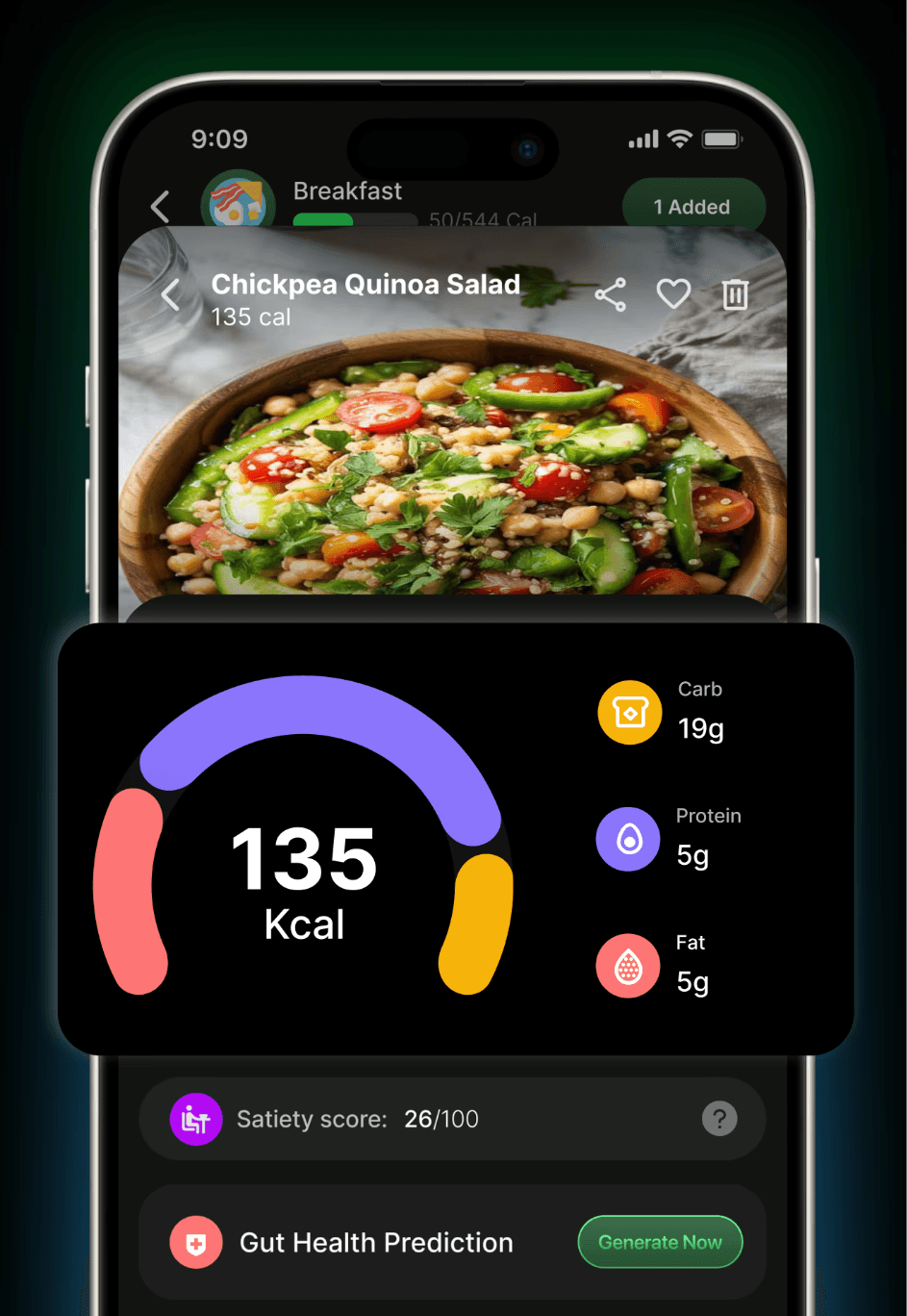
If you're trying to lose weight without following rigid meal plans, tracking your food intake can provide much more flexibility. Using Zorest Macro's AI Meal Logger, you can simply snap a photo of your meal or describe it in text and instantly see calories, protein, carbs, and fats. This makes it easier to create a calorie deficit while still eating foods you enjoy.
Better alternatives to the Military Diet
If your goal is lasting results, consider:
Balanced calorie deficit
Reduce daily calories by 300–500 rather than 1,000+.
High-protein eating
Protein helps preserve muscle and improve satiety.
Mediterranean-style eating
This approach emphasizes:
Fruits
Vegetables
Whole grains
Lean proteins
Healthy fats
It has significantly more research supporting long-term health benefits than fad diets. (PMC)
Strength training
Building muscle helps maintain metabolic rate while losing weight.
Frequently asked questions
Is the Military Diet actually used by the military?
No. Despite the name, there is no evidence that the diet originated from or is used by military organizations. (Healthline)
How much weight can you lose on the Military Diet?
Weight loss varies. Most of the initial loss is likely water weight rather than pure body fat. (Healthline)
Can you repeat the Military Diet every week?
The diet's creators suggest repeating the cycle, but many experts discourage prolonged use because of its restrictive nature and nutritional limitations. (WebMD)
Does the Military Diet boost metabolism?
There is no strong evidence that the specific food combinations used in the Military Diet have any unique metabolism-boosting effects. The weight loss primarily comes from calorie restriction. (BodySpec)
Final thoughts
The Military Diet can produce short-term weight loss because it dramatically reduces calorie intake. But most of that early success comes from water loss and temporary calorie restriction rather than any special fat-burning effect.
If your goal is long-term fat loss, improved health, and sustainable habits, you're usually better off with a moderate calorie deficit, adequate protein intake, regular exercise, and a nutrition plan you can follow for months rather than days.
Quick fixes often create quick results. Lasting results usually come from consistent habits.