
MD Psychiatry Resident, MBBS
Share this story
Intermittent fasting (IF) has become one of the most popular nutrition strategies for weight loss, metabolic health, and simplifying eating habits. But here's something many articles overlook: women don't always respond to fasting the same way men do.
Hormones, reproductive health, stress levels, and energy needs can all influence how fasting affects the female body.
I've seen women thrive with intermittent fasting. I've also seen others experience fatigue, cravings, irregular periods, and stalled progress because they followed fasting advice designed for men.
The difference often comes down to understanding how to apply intermittent fasting correctly.
In this guide, we'll cover the science-backed benefits, potential risks, and the safest ways women can use intermittent fasting to support their health goals.

What is intermittent fasting?
Intermittent fasting is an eating pattern that cycles between periods of eating and periods of not eating.
Instead of focusing primarily on what foods you eat, fasting focuses on when you eat them.
Common fasting schedules include:
12:12 (12 hours fasting, 12 hours eating)
14:10
16:8
5:2 fasting method
Alternate-day fasting
For example, a woman following a 14:10 schedule might eat between 9 AM and 7 PM and fast overnight.
During fasting periods, calorie-containing foods and beverages are avoided, while water, black coffee, and unsweetened tea are typically allowed.
Why intermittent fasting may work differently for women
The female body is highly sensitive to energy availability.
When calorie intake drops significantly or eating windows become too restrictive, the body may perceive this as a sign of food scarcity.
This can influence hormones involved in:
Reproduction
Menstrual cycles
Ovulation
Stress response
Thyroid function
Research suggests that women may be more sensitive than men to prolonged calorie restriction and aggressive fasting protocols.
That doesn't mean women should avoid intermittent fasting.
It simply means the approach often needs to be more moderate and personalized.
Potential benefits of intermittent fasting for women
Weight loss and fat loss
The primary reason most women try intermittent fasting is weight loss.
Fasting can naturally reduce calorie intake because there are fewer opportunities to eat throughout the day.
Many women find that eliminating late-night snacking alone creates a sustainable calorie deficit.
A review published in the journal Nutrients found that intermittent fasting can support weight loss and improvements in body composition when combined with overall healthy eating habits.
The key is that fasting isn't magic.
Weight loss still depends on maintaining an appropriate calorie balance over time.
Improved insulin sensitivity
Insulin is the hormone that helps regulate blood sugar.
Some studies show that intermittent fasting may improve insulin sensitivity, making it easier for the body to manage glucose effectively.
Better insulin sensitivity can help reduce the risk of:
Type 2 diabetes
Prediabetes
Metabolic syndrome
This may be particularly beneficial for women with insulin resistance.
Simpler eating habits
One underrated benefit of intermittent fasting is simplicity.
Instead of constantly thinking about meals and snacks, many women appreciate having clear eating windows.
I've personally found that structured eating times reduce mindless snacking far more effectively than relying on willpower alone.
Better awareness of hunger cues
Many people eat based on habit rather than actual hunger.
Intermittent fasting can help some women reconnect with natural hunger and fullness signals.
This awareness may improve long-term eating habits and reduce emotional eating patterns.
Possible improvements in inflammation
Emerging research suggests fasting may reduce certain markers of inflammation.
Since chronic inflammation is linked to conditions such as heart disease, obesity, and metabolic dysfunction, this area continues to attract scientific interest.
However, more long-term human studies are needed.
Risks and side effects women should know about
Hormonal disruption
The biggest concern for women is hormonal health.
Aggressive fasting can potentially affect:
Estrogen production
Progesterone balance
Reproductive hormones
Ovulation
Some women report:
Missed periods
Irregular menstrual cycles
Reduced fertility signals
This is more likely when fasting is combined with excessive exercise or very low calorie intake.
Increased stress response
Fasting can temporarily increase cortisol, the body's primary stress hormone.
For women already dealing with:
High work stress
Poor sleep
Intensive training
Parenting demands
Adding aggressive fasting may worsen fatigue and recovery.
Overeating during eating windows
Some women become extremely hungry after long fasts.
This can lead to:
Binge eating
Strong cravings
Poor food choices
Digestive discomfort
A fasting schedule that constantly triggers overeating is usually too aggressive.
Reduced energy levels
During the adaptation period, women may experience:
Headaches
Dizziness
Irritability
Low energy
Difficulty concentrating
These symptoms often improve within a few weeks but shouldn't be ignored if they persist.
Best intermittent fasting schedules for women
12:12 fasting
This is often the best starting point.
Example:
Finish dinner at 8 PM
Eat breakfast at 8 AM
Benefits include:
Easy adherence
Minimal hormonal stress
Better overnight digestion
For many women, this schedule alone produces meaningful results.
14:10 fasting
A slightly longer fasting window.
Example:
Eat between 9 AM and 7 PM
This approach offers many benefits of intermittent fasting without being overly restrictive.
Most women tolerate this schedule well.
16:8 fasting
The most popular fasting method.
Example:
First meal at noon
Last meal at 8 PM
Some women thrive on 16:8.
Others notice increased stress, cravings, or menstrual changes.
Monitor your body's response carefully.
The 5:2 method
This approach involves eating normally five days per week and reducing calorie intake significantly on two non-consecutive days.
Some women find this easier than daily fasting.
However, the low-calorie days can be challenging.
Women who should be cautious with intermittent fasting
Intermittent fasting may not be appropriate for everyone.
Women should consult a healthcare professional before fasting if they:
Are pregnant
Are breastfeeding
Have a history of eating disorders
Have diabetes requiring medication
Have thyroid disorders
Have a history of menstrual irregularities
Are underweight
Health goals should never come at the expense of overall wellbeing.
How to do intermittent fasting safely as a woman
Start small
Avoid jumping straight into 16-hour or 18-hour fasts.
Begin with:
12-hour fasting windows
Consistent meal timing
Balanced nutrition
Small changes are usually more sustainable.
Prioritize protein
Protein becomes even more important when eating within a shorter window.
Aim to include protein at every meal:
Eggs
Greek yogurt
Chicken
Fish
Tofu
Lean meat
Protein-rich legumes
Adequate protein supports muscle retention, satiety, and recovery.
Focus on nutrient density
Fasting cannot compensate for poor food quality.
Build meals around:
Vegetables
Fruits
Lean proteins
Whole grains
Healthy fats
Your eating window should contain enough nutrients to support hormonal health.
Listen to your body
This advice sounds simple, but it's critical.
Pay attention to:
Energy levels
Menstrual changes
Sleep quality
Mood
Exercise performance
If fasting consistently makes you feel worse, the protocol may not be appropriate.
Avoid combining multiple stressors
One mistake I often see is combining:
Aggressive fasting
Intense workouts
Severe calorie deficits
Poor sleep
The body experiences all of these as stress.
Choose one area to optimize at a time.
Using technology to make intermittent fasting easier
One challenge with intermittent fasting is ensuring you're still meeting your nutritional needs.
Many women unknowingly under-eat protein or consume too few calories during shortened eating windows.
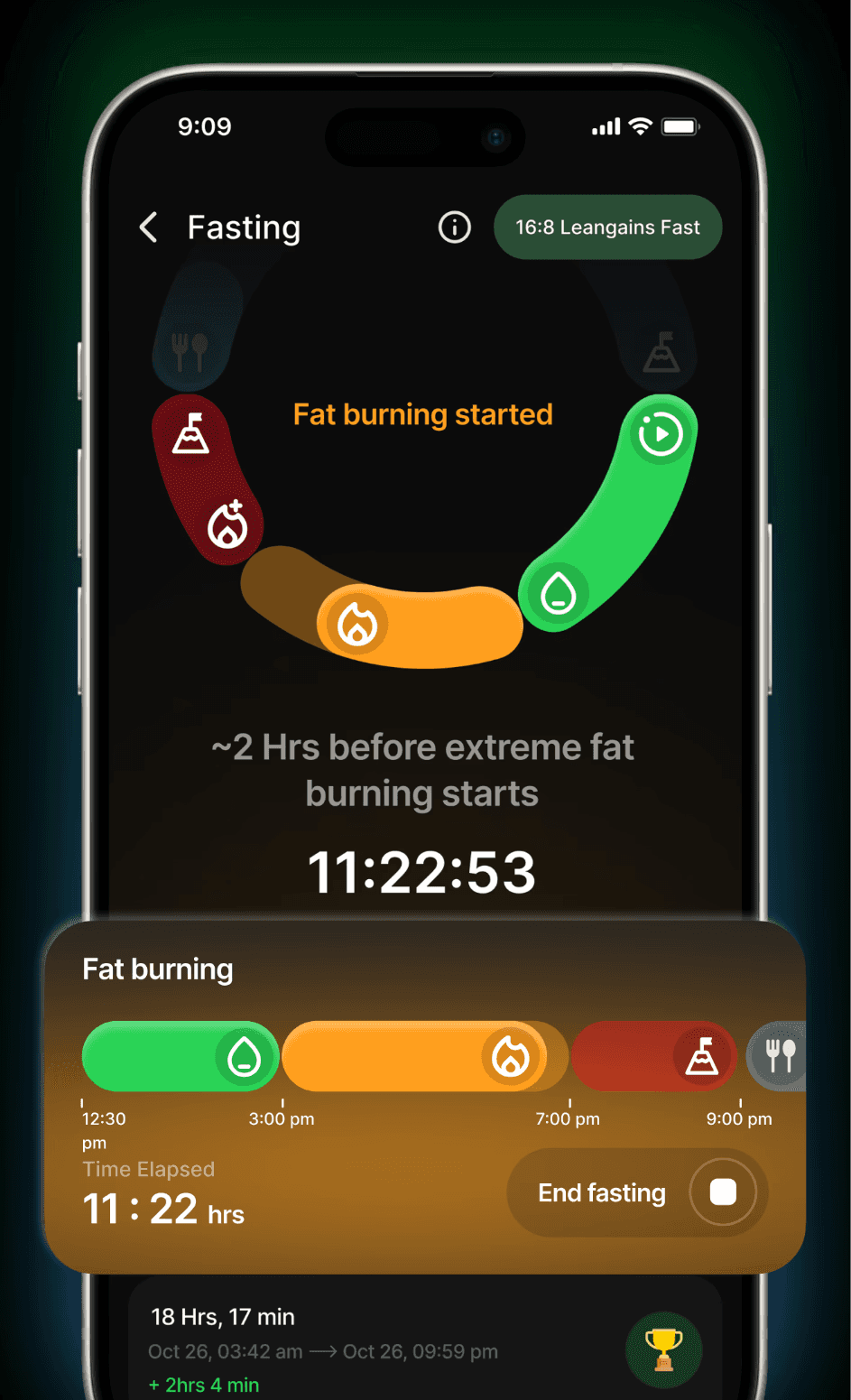
Using Zorest Macro's Adaptive Fasting Planner can help create fasting schedules based on your goals rather than copying generic online plans. The app can also track calories, protein, hydration, and meal quality through its AI Meal Logger, making it easier to maintain balanced nutrition while fasting.
Instead of guessing whether your fasting strategy is working, you can monitor the data that actually matters.
Common myths about intermittent fasting for women
Myth: Women should never fast
False.
Many women benefit from moderate fasting protocols.
The key is finding an approach that supports rather than disrupts overall health.
Myth: Longer fasts always produce better results
Not necessarily.
A sustainable 12-14 hour fast often outperforms an unsustainable 18-hour fast.
Consistency beats intensity.
Myth: Fasting automatically burns fat
Fasting can support fat loss, but total calorie intake still matters.
You can gain weight while intermittent fasting if calorie intake exceeds energy needs.
Myth: Breakfast is mandatory
Some women feel great eating breakfast.
Others prefer delaying their first meal.
The best approach depends on individual preference, schedule, and health goals.
Final thoughts
Intermittent fasting can be an effective tool for women, but it isn't a requirement for health or weight loss.
The best fasting schedule is the one that helps you maintain healthy eating habits while supporting your energy, hormones, and lifestyle.
For most women, starting with a gentle 12:12 or 14:10 schedule is far more sustainable than aggressive fasting protocols.
Remember: successful nutrition isn't about enduring the longest fast. It's about finding habits you can maintain for years.
Got questions? Ping me on Linkedin.