
MD Psychiatry Resident, MBBS
Share this story
Most people think longevity is about genetics. While your genes matter, research consistently shows that your daily habits—especially what you eat—play a major role in how long and how well you live.
In fact, scientists estimate that lifestyle factors can influence lifespan more than genetics for most people. The food choices you make today can affect your risk of heart disease, diabetes, cancer, cognitive decline, and many other conditions that influence longevity.
The good news? You don't need a perfect diet or expensive supplements. Small, consistent nutritional habits can have a surprisingly large impact over decades.

Why diet matters for longevity
Diet influences longevity because food affects nearly every system in your body.
What you eat impacts:
Blood sugar regulation
Blood pressure
Cholesterol levels
Inflammation
Gut health
Hormone balance
Immune function
Brain health
Think of your body like a car. Fuel quality matters. Poor fuel might keep the engine running temporarily, but over time it increases wear and tear. Similarly, a nutrient-poor diet may not cause immediate problems, but the effects accumulate over years and decades.
Researchers studying long-lived populations consistently find that diet is one of the strongest common factors among people who reach advanced ages while maintaining good health.
Eat more whole foods
The strongest nutrition advice for longevity is surprisingly simple: eat more whole foods.
Whole foods are foods that remain close to their natural state, including:
Fruits
Vegetables
Beans
Lentils
Whole grains
Nuts
Seeds
Fish
Eggs
These foods provide vitamins, minerals, fiber, antioxidants, and other compounds that support long-term health.
By contrast, ultra-processed foods often contain excessive amounts of sugar, refined grains, unhealthy fats, and sodium while providing fewer beneficial nutrients.
One large study published in The BMJ found that higher consumption of ultra-processed foods was associated with increased risks of several chronic diseases and mortality.
A practical example is breakfast. Compare a bowl of sugary cereal with a bowl of oats topped with berries and nuts. Both provide calories, but one delivers significantly more fiber, nutrients, and satiety.
Prioritize protein as you age
Protein becomes increasingly important for longevity as you get older.
One of the biggest challenges of aging is the gradual loss of muscle mass, known as sarcopenia. Losing muscle can reduce mobility, increase fall risk, and lower overall quality of life.
Adequate protein helps:
Preserve muscle mass
Support recovery
Improve strength
Maintain independence later in life
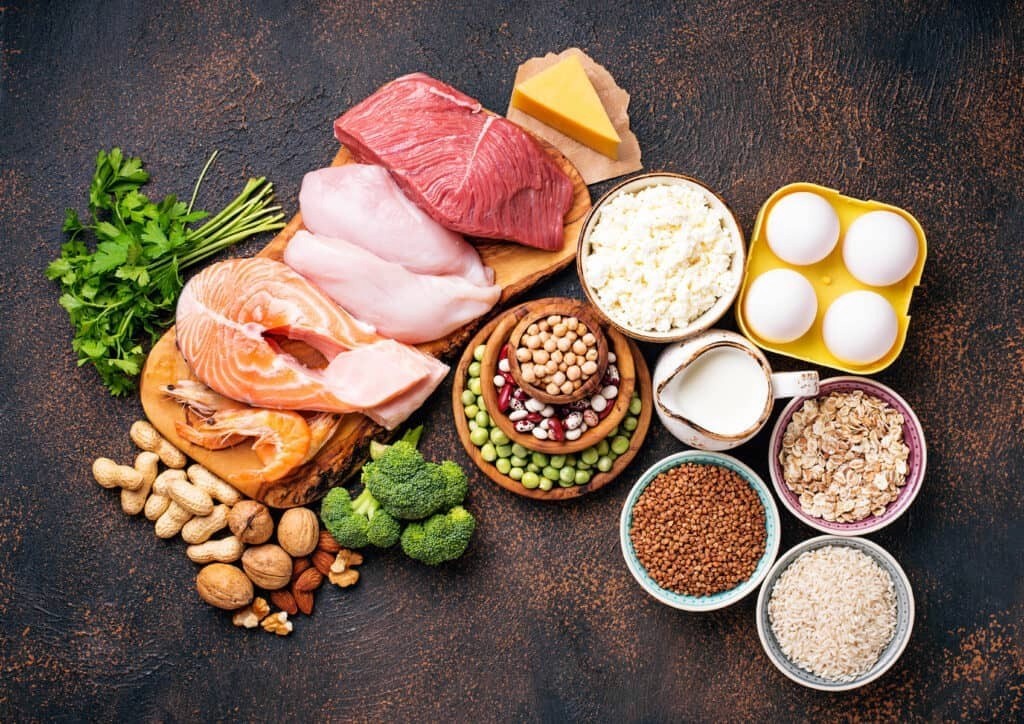
Good protein sources include:
Fish
Chicken
Greek yogurt
Eggs
Beans
Lentils
Tofu
Tempeh
I've noticed that many people focus heavily on calories but underestimate the importance of protein. Two individuals may eat the same number of calories, yet the one consuming adequate protein often maintains better body composition and physical function over time.
Increase your fiber intake
If there were a longevity superstar nutrient, fiber would be a strong contender.
Most adults consume far less fiber than recommended.
Fiber helps by:
Supporting gut health
Improving blood sugar control
Lowering cholesterol
Promoting fullness
Feeding beneficial gut bacteria
Your gut microbiome—the trillions of microorganisms living in your digestive tract—plays an important role in immunity, metabolism, and inflammation.
Foods rich in fiber include:
Fruits
Vegetables
Beans
Lentils
Whole grains
Nuts
Seeds
People living in regions known for exceptional longevity often consume significantly more fiber than the average Western population.
A simple way to increase fiber is to add one extra serving of vegetables to lunch and dinner and replace refined grains with whole grains.
Reduce chronic inflammation
Chronic inflammation is linked to many age-related diseases.
Unlike acute inflammation, which helps your body heal after injury, chronic inflammation can quietly damage tissues over time.
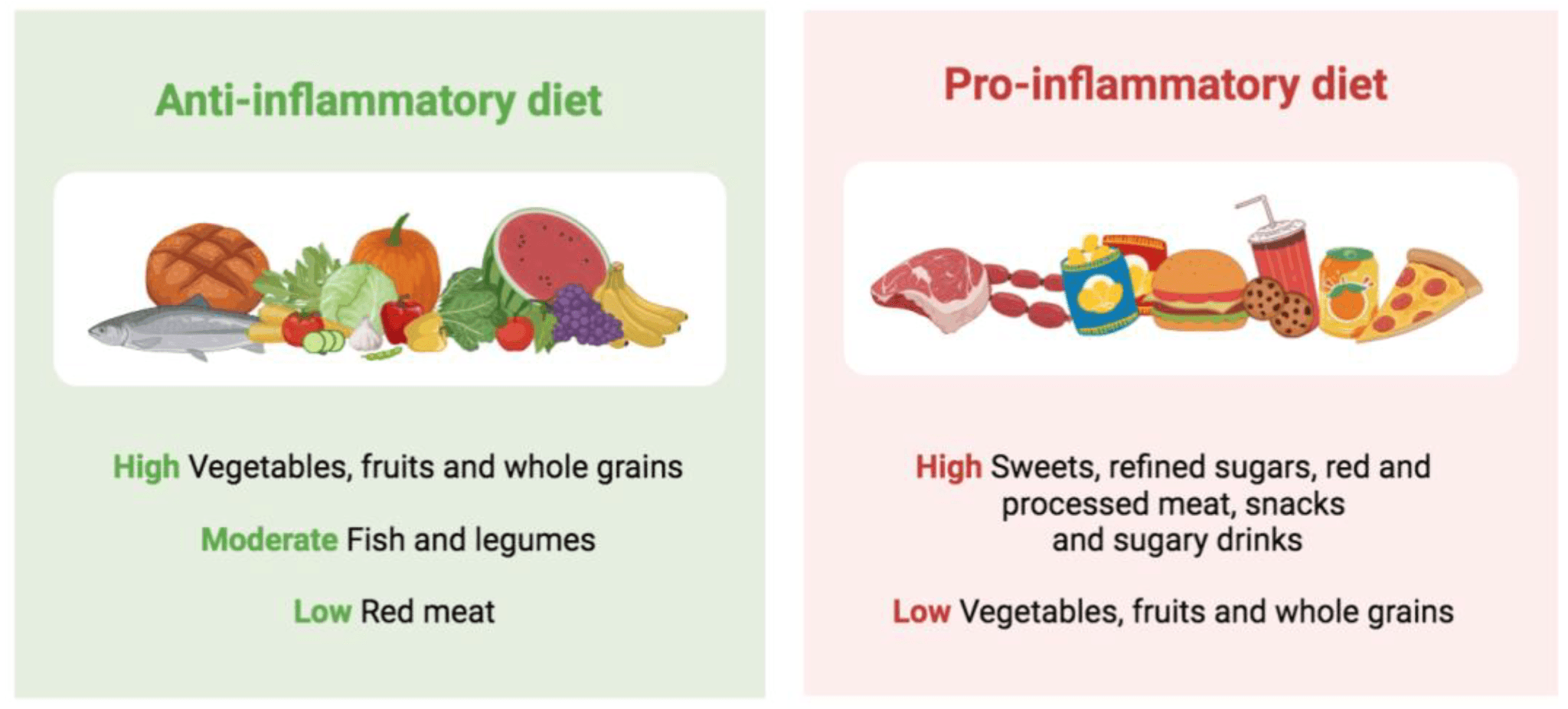
Certain dietary patterns appear to promote inflammation, including diets high in:
Sugary beverages
Refined carbohydrates
Processed meats
Deep-fried foods
Meanwhile, anti-inflammatory foods include:
Fatty fish
Olive oil
Berries
Leafy greens
Nuts
Legumes
The Mediterranean diet is often highlighted in longevity research because it naturally emphasizes many of these foods.
Control blood sugar swings
Frequent blood sugar spikes can contribute to metabolic dysfunction over time.
This doesn't mean you need to avoid carbohydrates completely. Rather, focus on choosing carbohydrates that digest more slowly.
Better choices include:
Oats
Sweet potatoes
Brown rice
Quinoa
Beans
Fruits
Pairing carbohydrates with protein and healthy fats can also help moderate blood sugar responses.
For example, an apple paired with nuts generally causes a smaller blood sugar spike than consuming fruit juice alone.
Maintaining healthy blood sugar levels can reduce the risk of type 2 diabetes, cardiovascular disease, and other conditions associated with shortened lifespan.
Learn from the world's longest-lived populations
Some of the most compelling longevity insights come from regions known as Blue Zones.
These areas include places such as:
Okinawa
Sardinia
Nicoya Peninsula
Ikaria
Despite cultural differences, their dietary patterns share several characteristics:
High intake of vegetables
Frequent consumption of legumes
Moderate calorie intake
Limited ultra-processed foods
Regular consumption of whole foods
Interestingly, these populations don't follow trendy diets. Their eating habits are simple, sustainable, and practiced consistently over decades.
That's an important lesson. Longevity is less about finding the perfect diet and more about maintaining healthy habits for a lifetime.
Avoid common dietary mistakes
Many people unknowingly undermine their long-term health through habits that seem harmless.
Common mistakes include:
Eating too few vegetables
Vegetables provide fiber, antioxidants, and micronutrients that support healthy aging.
Drinking calories frequently
Sugary beverages can increase calorie intake without improving fullness.
Relying heavily on processed snacks
Many packaged snacks are high in calories but low in nutritional value.
Following extreme diets
Highly restrictive diets can be difficult to sustain and may lead to nutrient deficiencies.
The best longevity diet is often the one you can maintain consistently for years rather than weeks.
Build a longevity-friendly plate
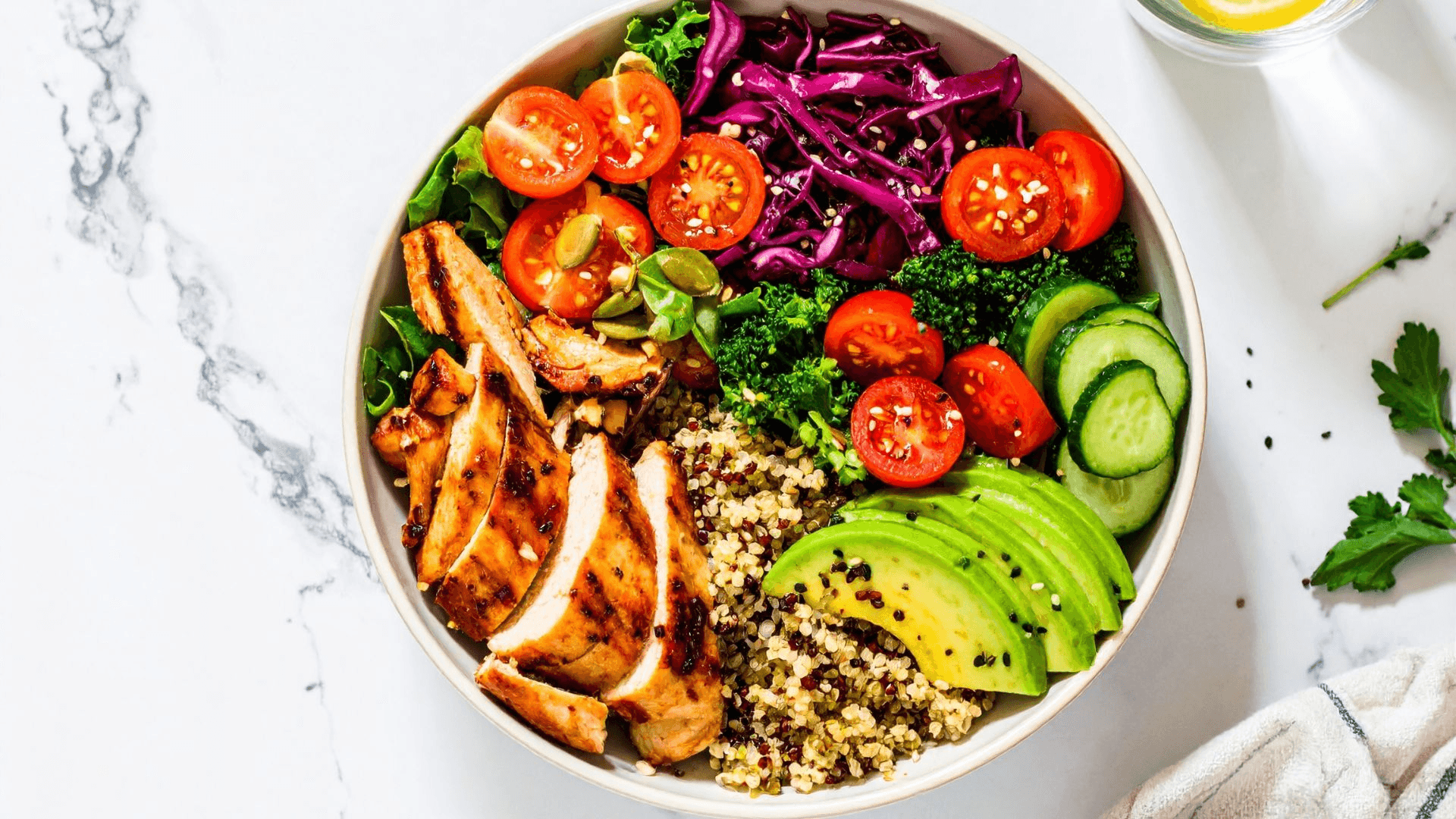
If you want a simple framework, aim for the following:
Half your plate from vegetables and fruits
One-quarter from quality protein
One-quarter from whole-food carbohydrates
Add healthy fats such as olive oil, nuts, or seeds
This approach naturally increases nutrient density while reducing reliance on ultra-processed foods.
You don't need to count every calorie or obsess over perfection.
Small improvements repeated daily tend to produce the greatest long-term results.
Final thoughts
Your diet is one of the most powerful tools you have to influence longevity.
No single food guarantees a long life. Instead, longevity emerges from thousands of food choices made consistently over years.
Focus on eating more whole foods, prioritizing protein, increasing fiber, managing inflammation, and limiting ultra-processed foods. These habits support not only a longer life but also a healthier and more active one.
The goal isn't simply adding years to your life. It's adding life to your years.