
MD Psychiatry Resident, MBBS
Share this story
A high-fiber diet is one of the simplest nutrition upgrades you can make. It helps with weight loss, improves digestion, keeps you full longer, supports gut health, and may even reduce the risk of heart disease and type 2 diabetes.
Yet most adults eat far less fiber than recommended.
If you've ever felt hungry shortly after meals, struggled with constipation, or found it difficult to stay in a calorie deficit, fiber might be the missing piece.
In this guide, I'll explain what a high-fiber diet is, why it matters, which foods contain the most fiber, and how to increase your intake without upsetting your stomach.
What is a high-fiber diet?
A high-fiber diet focuses on eating foods rich in dietary fiber, primarily fruits, vegetables, legumes, whole grains, nuts, and seeds.
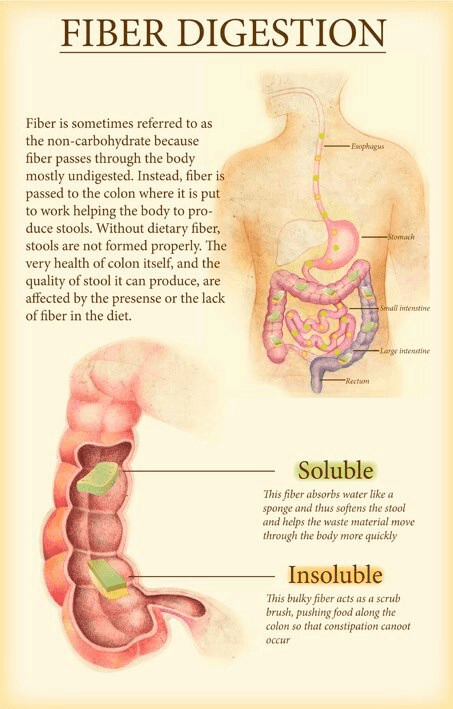
Fiber is a type of carbohydrate that your body cannot fully digest. Instead of being broken down for energy, it passes through the digestive system and provides numerous health benefits along the way.
The Dietary Guidelines for Americans recommend approximately:
Women: 25 grams of fiber daily
Men: 38 grams of fiber daily
However, studies show that most people consume only about 15 grams per day.
Why is fiber important?
Fiber affects far more than digestion.
A well-planned high-fiber diet can improve several aspects of health simultaneously.
Better digestion
Fiber adds bulk to stool and helps food move through the digestive tract more efficiently.
This can reduce constipation and promote regular bowel movements.
Improved satiety
Fiber slows digestion, helping you stay full longer after meals.
I often notice that people who increase their fiber intake naturally snack less without consciously restricting calories.
Better blood sugar control
Soluble fiber slows the absorption of carbohydrates.
This helps reduce blood sugar spikes after meals and can improve insulin sensitivity over time.
Better heart health
Research from the American Heart Association suggests that diets rich in fiber can help lower LDL ("bad") cholesterol levels and support cardiovascular health.
Source: https://www.heart.org/en/healthy-living/healthy-eating/eat-smart/nutrition-basics/fiber
Healthier gut microbiome
Many fibers act as prebiotics.
These compounds feed beneficial gut bacteria, which play a role in digestion, immunity, inflammation, and even mental health.
Which foods contain the most fiber?
The easiest way to increase fiber intake is to focus on whole foods.
Legumes
Legumes are among the highest-fiber foods available.
Examples include:
Lentils
Chickpeas
Black beans
Kidney beans
Split peas
One cup of cooked lentils provides roughly 15 grams of fiber.
Fruits
Many fruits contain significant fiber, especially when eaten with the skin.
Good choices include:
Apples
Pears
Raspberries
Blackberries
Oranges
Avocados
A single avocado contains approximately 10 grams of fiber.
Vegetables
Fiber-rich vegetables include:
Broccoli
Brussels sprouts
Carrots
Sweet potatoes
Artichokes
Green peas
Whole grains
Replace refined grains with whole grains whenever possible.
Examples:
Oats
Brown rice
Quinoa
Whole wheat bread
Barley
Nuts and seeds
Small portions provide impressive amounts of fiber.
Examples:
Chia seeds
Flaxseeds
Almonds
Pistachios
Sunflower seeds
Two tablespoons of chia seeds contain roughly 10 grams of fiber.
What are the two types of fiber?
Understanding fiber becomes easier when you know its two main forms.
Soluble fiber
Soluble fiber dissolves in water and forms a gel-like substance.
Benefits include:
Lower cholesterol
Better blood sugar control
Increased fullness
Sources:
Oats
Beans
Apples
Citrus fruits
Psyllium husk
Insoluble fiber
Insoluble fiber does not dissolve in water.
Benefits include:
Better bowel regularity
Reduced constipation
Improved digestive movement
Sources:
Whole grains
Nuts
Seeds
Vegetable skins
Most fiber-rich foods contain both types.
Can a high-fiber diet help with weight loss?
Yes.
Fiber is one of the most effective nutrients for appetite control.
Here's why:
It slows stomach emptying.
It increases meal volume without adding many calories.
It reduces hunger between meals.
It helps maintain stable blood sugar levels.
For example, a bowl of oatmeal with berries keeps most people satisfied much longer than a sugary breakfast cereal containing the same calories.
This is one reason high-fiber diets are commonly recommended for sustainable fat loss.
How to start a high-fiber diet safely
The biggest mistake people make is increasing fiber too quickly.
That often leads to:
Bloating
Gas
Stomach discomfort
Instead, follow these steps.
Increase fiber gradually
Add 5 grams of fiber every few days instead of jumping from 10 grams to 35 grams overnight.
Drink more water
Fiber works best when paired with adequate hydration.
Without enough fluids, constipation can actually worsen.
Include fiber at every meal
Examples:
Breakfast:
Oatmeal with berries and chia seeds
Lunch:
Chickpea salad with vegetables
Dinner:
Grilled chicken with quinoa and roasted vegetables
Snack:
Apple with almonds
Track your fiber intake
Many people underestimate how much fiber they consume.
[Screenshot of Zorest Macro displaying daily fiber intake and nutrition breakdown]
One practical approach is using Zorest Macro's AI Meal Logger. You can log meals by photo, text, voice, barcode, or food label scan, and instantly see how much fiber you're consuming throughout the day. This makes it much easier to identify low-fiber meals and make adjustments before they become habits.
Sample high-fiber meal plan
Breakfast
Oatmeal
Chia seeds
Blueberries
Fiber: ~15 grams
Lunch
Lentil salad
Mixed vegetables
Olive oil dressing
Fiber: ~16 grams
Snack
Pear
Handful of almonds
Fiber: ~8 grams
Dinner
Salmon
Quinoa
Roasted Brussels sprouts
Fiber: ~12 grams
Total fiber: ~51 grams
This easily exceeds the minimum daily recommendation while providing balanced nutrition.
Common mistakes on a high-fiber diet
Relying on supplements alone
Whole foods provide vitamins, minerals, antioxidants, and phytonutrients alongside fiber.
Fiber supplements can help, but they should not replace fruits, vegetables, and legumes.
Ignoring protein
Some people focus so heavily on fiber that protein intake suffers.
For optimal health and body composition, prioritize both.
Forgetting hydration
High fiber without adequate water is like adding more cars to a highway without creating additional lanes.
The system becomes congested.
Assuming all healthy foods are high in fiber
Many nutritious foods contain little fiber.
Examples:
Eggs
Chicken
Fish
Greek yogurt
These foods are healthy but should be paired with fiber-rich foods.
How Zorest Macro can help you eat more fiber
Building a high-fiber diet becomes easier when you can actually see your nutrition data.
Several Zorest Macro features are particularly useful:
AI Meal Logger automatically tracks fiber from meals logged via photos, text, voice, or barcode scans.
Daily Meal Planner can recommend higher-fiber meals aligned with your calorie and macro goals.
Zorest Recipes Explorer helps you discover fiber-rich recipes tailored to your preferences.
Hydration Tracker helps ensure you're drinking enough water as fiber intake increases.
Chat with AI Coach can answer questions about fiber, digestion, weight loss, and meal planning based on your personal nutrition history.
Rather than guessing whether you're eating enough fiber, you can monitor it consistently and make informed adjustments.
Final thoughts
A high-fiber diet delivers some of the biggest health benefits in nutrition for relatively little effort.
By eating more fruits, vegetables, legumes, whole grains, nuts, and seeds, you can improve digestion, support gut health, manage hunger, and make weight loss easier.
Start slowly, drink plenty of water, and focus on whole foods rather than supplements whenever possible.
If you're serious about improving your nutrition, tracking fiber intake can be just as valuable as tracking calories or protein. Tools like Zorest Macro can help make that process effortless and sustainable.