
MD Psychiatry Resident, MBBS
Share this story
Many people spend years dealing with bloating, stomach pain, headaches, fatigue, skin issues, or digestive problems without knowing what's causing them. They try supplements, probiotics, or trendy diets, but the symptoms keep returning.
An elimination diet takes a different approach. Instead of guessing, it helps identify which foods may be triggering your symptoms.
Done correctly, an elimination diet can be one of the most powerful tools for understanding how your body responds to food.
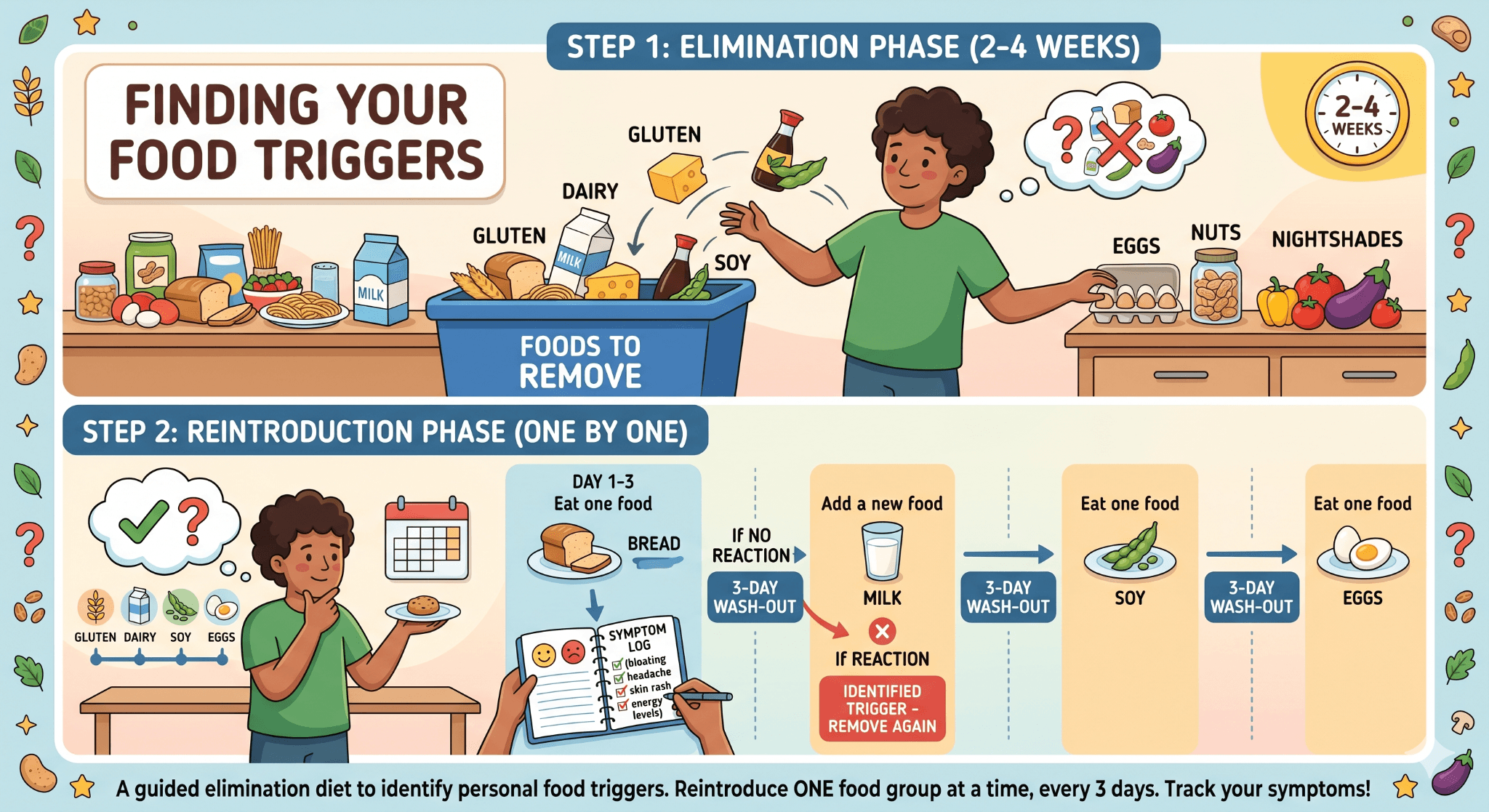
TL;DR
An elimination diet temporarily removes foods that may cause symptoms.
After a removal period, foods are reintroduced one at a time.
It can help identify food intolerances and sensitivities.
Common trigger foods include dairy, gluten, soy, eggs, alcohol, and processed foods.
The diet is meant to be temporary, not a lifelong restriction plan.
Tracking symptoms and meals is essential for accurate results.
What is an elimination diet?
An elimination diet is a short-term eating strategy that removes specific foods suspected of causing symptoms and then systematically reintroduces them.
The goal is simple: identify foods that your body may not tolerate well.
Unlike food allergy testing, which measures immune responses, an elimination diet focuses on real-world reactions. It helps connect symptoms to specific foods through observation.
For example, if someone experiences bloating after eating but cannot determine why, they might remove common trigger foods for several weeks. During the reintroduction phase, they may discover that dairy consistently triggers symptoms while other foods do not.
Think of it as troubleshooting your diet the same way a mechanic troubleshoots a car.
Why people use elimination diets
The primary purpose of an elimination diet is to identify food triggers.
Common symptoms that motivate people to try one include:
Bloating
Gas
Diarrhea
Constipation
Acid reflux
Headaches
Migraines
Skin problems
Fatigue
Brain fog
Joint discomfort
In my experience, digestive symptoms are often the easiest to connect with food triggers. However, many people are surprised when headaches, energy levels, or skin health improve after identifying a problematic food.
Which foods are commonly eliminated?
Most elimination diets focus on foods that frequently cause sensitivities.
Common foods removed include:
Dairy products
Milk, cheese, yogurt, cream, and butter are common triggers, particularly for people with lactose intolerance.
Gluten-containing grains
Foods containing wheat, barley, and rye are often removed to evaluate gluten sensitivity.
Soy
Soy appears in many processed foods and may trigger digestive symptoms in some individuals.
Eggs
Although nutritious, eggs can be problematic for certain people.
Nuts and peanuts
Tree nuts and peanuts are common allergens and are sometimes included in elimination protocols.
Alcohol
Alcohol can irritate the digestive tract and worsen inflammation.
Added sugars and ultra-processed foods
Highly processed foods often contain multiple ingredients that make identifying triggers difficult.
How does an elimination diet work?
The process typically consists of two phases.
Phase 1: Elimination
During this phase, you remove potential trigger foods for two to six weeks.
The goal is to allow symptoms to improve.
This period requires consistency. Even small exposures can make identifying triggers more difficult.
Many people notice improvements within a few weeks if a problematic food is involved.
Phase 2: Reintroduction
After symptoms improve, foods are added back one at a time.
Each food is usually tested over several days while monitoring symptoms.
For example:
Week 1: Reintroduce dairy
Week 2: Reintroduce eggs
Week 3: Reintroduce gluten
If symptoms return after reintroducing a food, that food may be a trigger.
The key is to test only one food category at a time.
What can you eat on an elimination diet?
Many people worry they'll have nothing left to eat.
In reality, there are still plenty of nutritious options.
Foods commonly allowed include:
Fresh vegetables
Fruits
Lean meats
Poultry
Fish
Rice
Potatoes
Sweet potatoes
Olive oil
Avocados
Herbs and spices
The exact food list depends on the elimination protocol you're following.
A well-designed elimination diet should still provide enough calories, protein, vitamins, and minerals.
How to track symptoms effectively
The biggest mistake people make is relying on memory.
When I have experimented with food tracking personally, I quickly realized how unreliable memory can be. Symptoms that seem obvious today become blurry a few days later.
That's why keeping a food and symptom journal is critical.
Record:
Everything you eat
Portion sizes
Meal times
Symptoms
Energy levels
Sleep quality
Digestive changes
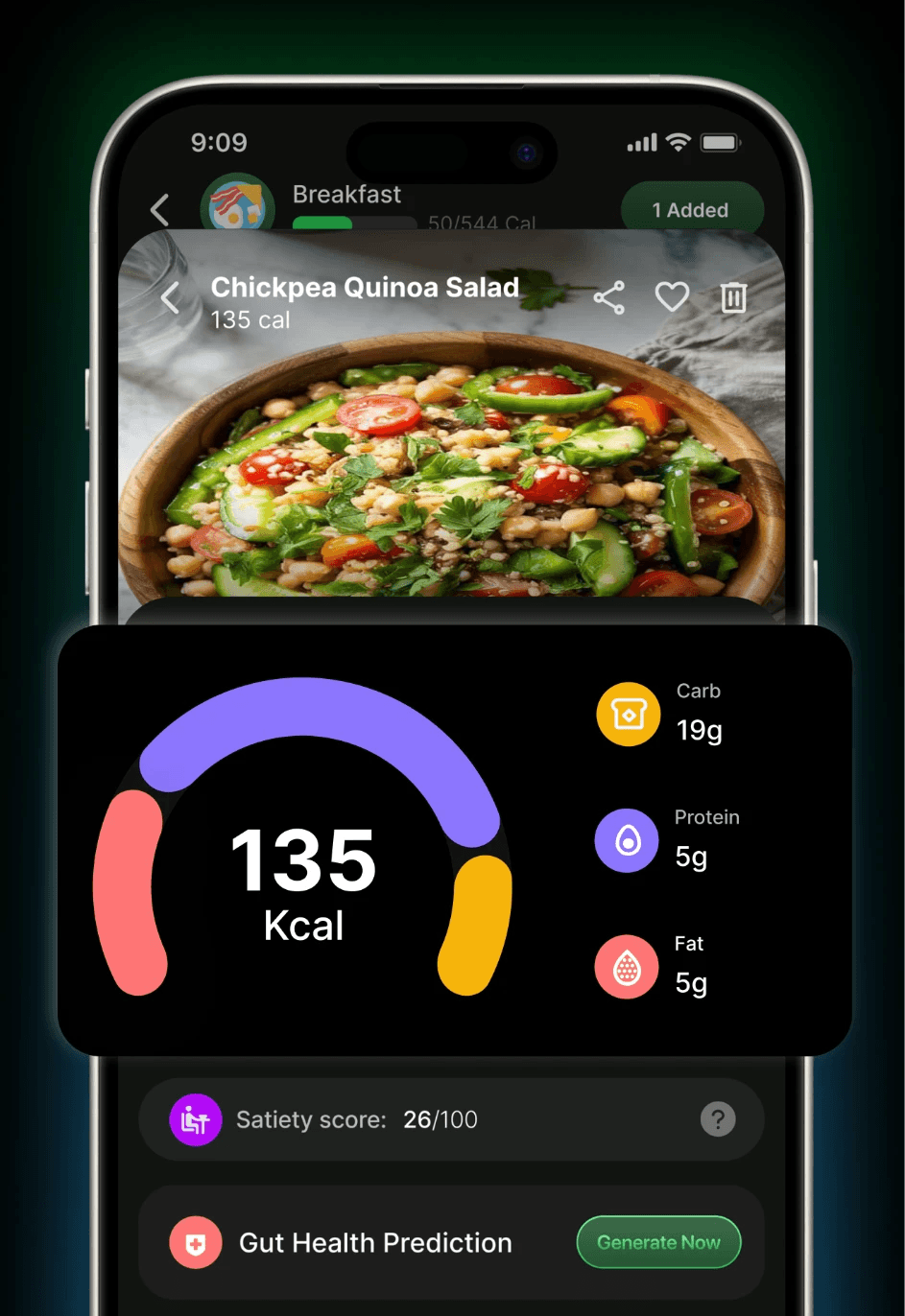
Using Zorest Macro can simplify this process. Instead of manually writing everything down, you can log meals using text, voice, photos, food labels, or barcodes. The AI Meal Logger automatically records foods and nutritional information, making it easier to identify patterns between symptoms and meals over time.
What are the benefits of an elimination diet?
When done correctly, elimination diets can provide valuable insights.
Potential benefits include:
Improved digestion
Many people experience reduced bloating, gas, and stomach discomfort.
Better energy levels
Food sensitivities can sometimes contribute to fatigue and brain fog.
Clearer skin
Certain trigger foods may worsen acne or inflammatory skin conditions.
More personalized nutrition
Instead of following generic dietary rules, you learn what works specifically for your body.
Reduced guesswork
Rather than blaming entire food groups forever, you gain evidence-based information about your own responses.
What are the risks of an elimination diet?
Elimination diets are not risk-free.
Potential drawbacks include:
Nutrient deficiencies
Removing multiple food groups for extended periods can create nutritional gaps.
Unnecessary food restrictions
Some people become afraid of foods and continue restricting them even after testing.
Social challenges
Eating out and attending events can become more complicated.
Misinterpreting results
Symptoms can be influenced by stress, sleep, hydration, illness, and other factors.
This is why reintroduction is just as important as elimination.
Without proper reintroduction, you never learn whether a food was truly causing problems.
Who should avoid an elimination diet?
An elimination diet may not be appropriate for everyone.
Consult a healthcare professional before starting if you:
Are pregnant
Have a history of eating disorders
Have significant medical conditions
Are managing chronic gastrointestinal diseases
Have concerns about nutritional adequacy
Children should generally only follow elimination diets under professional supervision.
Tips for success
The people who get the best results usually follow a few simple rules:
Start with a clear goal
Know which symptoms you're trying to improve.
Keep meals simple
Simple meals make it easier to identify food triggers.
Read ingredient labels carefully
Hidden ingredients are common.
Plan meals ahead
Preparation reduces the temptation to break the protocol.
Track everything
Consistent tracking produces better insights.
Reintroduce foods systematically
Patience matters more than speed.
Can Zorest Macro help during an elimination diet?
One of the biggest challenges of elimination diets is tracking enough information to spot meaningful patterns.
Zorest Macro can help by:
Logging meals through photos, voice, text, barcodes, or food labels
Searching a database of over 1.9 million foods
Tracking nutrition automatically
Providing meal planning support when food choices become limited
Offering access to an AI nutrition coach for guidance and accountability
Instead of juggling multiple apps and notebooks, you can keep your meal data in one place while monitoring how your body responds.

Final thoughts
An elimination diet is one of the most practical ways to identify foods that may be causing unwanted symptoms.
The key is treating it like an experiment rather than a permanent diet. Remove potential triggers, monitor symptoms carefully, and reintroduce foods methodically.
Most importantly, remember that the goal is not to eat fewer foods forever. The goal is to discover which foods help you feel your best and which ones don't.
The more structured your approach, the more useful your results will be.