طبيبة مقيمة في الطب النفسي، MD، MBBS
شارك هذه القصة
Nobody wants to talk about hemorrhoids. Which is exactly why so many people quietly suffer with them for months, eating the same foods, sitting the same way, and hoping things somehow improve on their own.
They usually don't. But the fix, for most people, is less dramatic than surgery and more powerful than any cream. It starts with what's on your plate.
A high-fiber diet is the most consistently evidence-backed first-line intervention for symptomatic hemorrhoids. A meta-analysis published in the American Journal of Gastroenterology found that fiber supplementation reduced the risk of persistent hemorrhoid symptoms by 47% and cut bleeding risk by 50%. Those aren't marginal gains. That's half the problem, solved with food and water.
Here's exactly how to do it.
What hemorrhoids actually are (and why fiber matters)
Hemorrhoids are swollen, inflamed vascular cushions located in the lower rectum and around the anus. They're a normal part of human anatomy (everyone has them) but they become a problem when they swell, prolapse, or bleed.
There are two types:
Internal hemorrhoids form inside the rectum. They usually don't hurt because there are fewer pain-sensing nerves there, but they can bleed and, in more advanced cases, prolapse (meaning they push out of the anal opening).
External hemorrhoids form under the skin around the anus. These are the ones that hurt, itch, and make sitting a misery.
The mechanism that connects diet to hemorrhoids is straightforward. Most experts agree that low-fiber diets cause small-caliber stools, which result in straining during defecation. This increased pressure causes engorgement of the hemorrhoids, possibly by interfering with venous return. Think of it like a garden hose getting kinked — pressure builds up downstream.
Constipation and prolonged straining are widely believed to cause hemorrhoids because hard stool and increased intraabdominal pressure could cause obstruction of venous return, resulting in engorgement of the hemorrhoidal plexus. Defecation of hard fecal material increases shearing force on the anal cushions.
Fiber addresses this at the root. It softens and bulks the stool so it moves through without force, without friction, and without the sustained pressure that makes existing hemorrhoids worse and new ones form.
Soluble vs. insoluble fiber: what each one does
Not all fiber works the same way in your gut. For hemorrhoids, you actually need both types, but for different reasons.
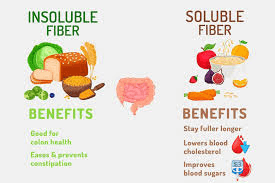
Soluble fiber dissolves in water and forms a gel-like substance in the digestive tract. This gel softens stool, makes it easier to pass, and slows transit just enough to prevent the urgency and loose stools that can also aggravate hemorrhoids. Sources include oats, barley, apples, psyllium husk, and legumes.
Insoluble fiber doesn't dissolve. Instead, it adds bulk and acts like a broom, pushing waste through the colon more quickly and reducing the time you spend sitting and straining. Sources include wheat bran, whole grains, the skins of fruits and vegetables, and nuts.
The practical takeaway: soluble fiber makes things softer; insoluble fiber makes things move. You want both. Fortunately, most whole plant foods contain a mix of the two.
The best high-fiber foods for hemorrhoids
Eating lots of fruits and vegetables can help reach the recommended 20 to 30 grams of fiber each day. Liquid helps the fiber work better, so increasing water and other fluid intake alongside fiber is essential.
Here are the foods that do the most work:
Legumes
Lentils, chickpeas, black beans, and kidney beans are among the most fiber-dense foods available. Lentils add almost 4 grams of fiber per quarter cup when cooked, helping promote regular bowel movements so you strain less. Black beans contain resistant starch, which supports a healthy gut microbiome, with a quarter cup of cooked black beans adding around 4 grams of fiber.
If legumes are new to your diet, introduce them slowly (a quarter cup at a time) and make sure you're drinking enough water. Jumping in with a full can of chickpeas at once is a reliable way to trade one problem for another (gas).
Oats and whole grains
Oats are rich in soluble fiber called beta-glucan, which helps hold water in the stool. This makes bowel movements softer and easier to pass, reducing pressure on swollen veins. I make overnight oats with chia seeds a few times a week. It's become one of the most efficient fiber deliveries I've found for breakfast.
Barley is another underrated option. It's high in soluble fiber, supports the gut microbiome, and has a satisfying chew that keeps you full. Brown rice works by keeping its outer bran layer, which contains most of its fiber. This adds bulk to stool and helps it move more smoothly through the intestines. Swapping white rice for brown rice can slowly improve stool consistency over time.
Fruits (eat the skin)
Apples, pears, and berries are all solid choices. Apples contain pectin, a soluble fiber that gels in the gut, and their skin adds insoluble fiber on top. Berries also contain a lot of water, which helps soften stools and keep the digestive system moving smoothly. They also contain fructose, which has a mild natural laxative effect.
Prunes deserve a special mention. They contain both fiber and sorbitol, a sugar alcohol that draws water into the intestines. A handful of prunes or a small glass of prune juice can make a noticeable difference within 24 hours, especially if constipation is your main trigger.
Vegetables
Brussels sprouts provide both soluble and insoluble fiber, supporting softer stool and reducing pressure in the rectal area. Broccoli, sweet potatoes (with the skin), and artichokes are also excellent. One medium-sized baked sweet potato with its skin on contains 3.8 grams of fiber.
Cruciferous vegetables like broccoli and Brussels sprouts can cause gas in some people when introduced quickly. That's the same adjustment response you'd see with legumes. The solution is the same: go slow, drink water, and give your microbiome time to adapt. (If this sounds familiar, there's more on the transition discomfort in our post on why your healthy diet is giving you a stomachache.)

What to avoid
The flip side of eating more fiber is eating less of the food that makes hemorrhoids worse. The biggest offenders:
Low-fiber, high-processed foods. White bread, white rice, chips, crackers, and most packaged snacks are stripped of fiber. They produce hard, compact stools that require more effort to pass.
Red meat and fried foods. Both slow digestion and can lead to harder stools. Red meat contains essentially no fiber and takes longer to move through the colon compared to plant-based protein sources.
Alcohol. It dehydrates you, and dehydration is directly counterproductive to everything fiber is trying to do. If your gut is already inflamed, alcohol can also worsen that irritation.
Caffeine in excess. This one is nuanced. Moderate caffeine (a morning coffee) can stimulate bowel movements, which might actually help. But high doses can cause loose, urgent stools — another irritant for hemorrhoid tissue.
Spicy food. There's limited direct evidence that spicy food causes hemorrhoids, but many people with symptomatic hemorrhoids report that it makes symptoms worse during flares. During an active flare, it's worth pulling back and reintroducing later.
How to increase fiber without wrecking your digestion
Here's where most people go wrong: they read an article like this, buy a bag of psyllium husk and a box of bran flakes, eat them all on Tuesday, and spend Wednesday in serious gastric distress.
Fiber has to be increased gradually. A sudden spike in fiber intake ferments rapidly in the colon and produces gas, bloating, and cramping — the exact discomfort you're trying to avoid. Here's how to do it without the misery:
Start with 5 grams more per day. That's one serving of oats, or half a cup of beans, or an apple with the skin on. Hold that for a week before adding more.
Drink significantly more water. This is non-negotiable. Liquid helps the fiber work better. Dehydration contributes to constipation, which increases hemorrhoid risk. Fiber without water can actually make constipation worse. Aim for at least 6–8 glasses of water per day, and more if you're active or live in a warm climate.
Work up to your target over 3–4 weeks. The Dietary Guidelines for Americans, 2020–2025 recommends a dietary fiber intake of 14 grams per 1,000 calories consumed. For a 2,000-calorie diet, the fiber recommendation is 28 grams per day. Most people in the US are getting less than half that. Closing that gap takes weeks, not days.
Spread fiber across meals. Don't try to hit your daily target at dinner. Spreading intake across breakfast, lunch, and dinner keeps fermentation gradual and digestive pressure manageable.
Should you add a fiber supplement?
Whole food fiber is always the goal. It comes with micronutrients, water content, and gut-friendly compounds that isolated supplements don't replicate. But supplements have a legitimate role when diet alone isn't getting you there.
Psyllium husk is the most studied. Fiber supplements are strongly recommended in the American Society of Colon and Rectal Surgeons (ASCRS) practice guidelines, based on a Cochrane review. In this meta-analysis, fiber supplementation reduced the relative risk of persisting or non-improving symptoms by 47% and cut the relative risk of bleeding by 50%. Those are the same numbers as the dietary fiber studies, because psyllium is primarily soluble fiber, working by the same gel-forming mechanism.
A specific regimen studied in patients with advanced hemorrhoids (grades III and IV) used 5–6 teaspoons of psyllium husk with 600 mL of water daily, combined with behavioral modifications. The behavioral side matters too: limiting toilet time to three minutes, avoiding straining, aiming for once-daily bowel movements. Fiber alone without changing how you defecate is less effective than both together.
One practical note: psyllium can interfere with medication absorption. If you're taking any prescription drugs, take psyllium at least two hours before or after your medication.
Wheat dextrin supplements (like Benefiber) are a gentler alternative if psyllium causes gas. They're less bulky but still add meaningful soluble fiber.
A note on when fiber isn't enough
A high-fiber diet is first-line for grade I and grade II hemorrhoids (the mild-to-moderate range) and should be part of every treatment plan for grades III and IV too. But it's not a substitute for medical treatment when symptoms are severe.
Studies confirm that over 90% of mild hemorrhoid and fissure cases respond to non-surgical management with diet and behavior correction. That's a reassuring statistic. But if you're experiencing persistent rectal bleeding, prolapse that won't reduce on its own, or significant pain that isn't improving with dietary changes after 4–6 weeks, you need a proper clinical evaluation. Rectal bleeding in particular should always be assessed — not assumed to be hemorrhoids — to rule out other causes.
Hemorrhoids that are sensitive to IBS-type triggers (think specific FODMAPs causing loose, urgent stools that irritate already-swollen tissue) sometimes need a more targeted dietary approach. If you suspect your gut issues run deeper than hemorrhoids alone, it's worth reading about SIBO and how diet affects gut bacterial overgrowth as a related piece of the puzzle.
Final thoughts
Hemorrhoids are common, manageable, and highly responsive to dietary change for most people. The evidence for fiber is unusually consistent in nutrition research: across multiple randomized controlled trials, it cuts symptoms nearly in half and bleeding risk by half.
The strategy isn't complicated. Eat more plants. Drink more water. Add fiber gradually. Take psyllium if your diet isn't getting you to your daily target. Change how long you spend on the toilet.
None of that is glamorous. But neither is ignoring a problem that responds this well to basic dietary shifts.
Got questions? Ping me on LinkedIn.