
طبيبة مقيمة في الطب النفسي، MD، MBBS
شارك هذه القصة
One meal (sometimes a supposedly "healthy" one) sends you sprinting for the bathroom or doubled over with cramps for the rest of the day. That's the cruel part of IBS: the usual "eat clean" advice falls apart. Broccoli, garlic, or a glass of milk can be the actual problem.
Roughly 1 in 7 people worldwide live with IBS, according to a 2025 meta-analysis spanning 96 studies across 52 countries. After going through hundreds of Zorest Macro food logs from users managing IBS, five culprits keep resurfacing. Here's what they are, why they cause trouble, and what to eat instead.
Garlic and onions spike fructans fast
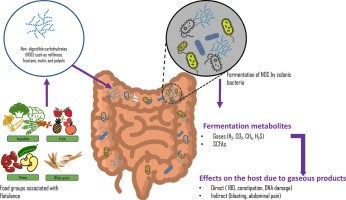
Garlic and onions are two of the most concentrated fructan sources in an average kitchen, which is why they trigger symptoms even in small amounts.
Fructans are the "oligosaccharide" in FODMAP. Your small intestine has no enzyme to break them apart, so they travel intact into the colon. There, bacteria ferment them, producing gas that stretches the gut wall. In an IBS gut, that ordinary stretch reads as pain.
I spent two years blaming dairy for my own flare-ups before a dietitian had me log every meal for two weeks. The pattern lined up with one ingredient: the garlic powder in my go-to pasta sauce, not the parmesan on top.
That's the trap with garlic and onion. They hide in broths, salad dressings, marinades, and nearly every jarred sauce on the shelf, so you can react badly without ever "eating garlic" on purpose.
The swap: garlic-infused oil. Fructans aren't oil-soluble, so the oil carries the flavor without carrying the trigger. Chives and the green tops of scallions work the same way.
Dairy pushes lactose past your limit
Milk, soft cheese, and ice cream are loaded with lactose, and most adults make less of the enzyme needed to break it down as they get older.
What is lactose intolerance?
Lactose intolerance happens when your small intestine doesn't make enough lactase, the enzyme that splits the milk sugar lactose. Undigested lactose pulls water into the gut and ferments, the same mechanism as fructans, causing bloating, gas, and often diarrhea.
Lactose intolerance and IBS are separate diagnoses, but they overlap constantly. But that overlap is exactly why milk gets blamed (or unfairly cleared) without an actual test more often than almost any other food.
My own habit was a daily iced latte. Switching to lactose-free milk for two weeks, then reintroducing regular milk, told me more in fourteen days than a year of guessing ever did.
Hard, aged cheeses like cheddar and parmesan naturally carry less lactose, and fermented dairy such as kefir tends to sit better with sensitive guts thanks to bacteria that pre-digest some of the lactose.
Wheat, barley, and rye hide fermentable fructans
It's tempting to blame gluten, but for most people with IBS, the real issue is the fructans in wheat, barley, and rye — the same fermentable carbohydrate family as garlic and onion, just wearing a different costume.
Research on gluten and IBS is mixed, but fructan sensitivity has stronger, more consistent evidence behind it. My honest opinion: the gluten-free aisle owes more of its popularity to FODMAP fructans than to gluten itself.
That distinction matters in practice. Long, traditional fermentation can cut a bread's fructan content by up to 90 percent, which is why some IBS patients tolerate a proper sourdough loaf better than supermarket sandwich bread made from the same grain. The catch: a lot of "sourdough" on store shelves is fermented for a couple of hours, not days, and doesn't get the same benefit.
Rice, oats, quinoa, and certified low-FODMAP bread are reliable swaps if wheat turns out to be a confirmed trigger for you.
Beans and lentils ferment into bloating
Legumes are loaded with galacto-oligosaccharides, or GOS, a FODMAP type your small intestine can't break down at all. Even a modest serving travels straight to the colon, where it ferments fast.
This one stings, because beans and lentils are otherwise excellent, affordable protein. I don't think anyone with IBS needs to give them up entirely. So the real fix is usually portion and prep, not full elimination.
Rinsing canned beans thoroughly, or discarding the soaking water when cooking dried legumes, measurably cuts their GOS content before they ever reach your plate.
Start with a quarter-cup serving of well-rinsed canned lentils or chickpeas rather than a full cup, then build up from there based on how your gut responds.
Fried and fatty foods slow digestion down
This one has nothing to do with FODMAPs. Fat slows gastric emptying, so food sits in your gut longer. In a gut that's already hypersensitive, that extra time means more opportunity for cramping, bloating, or urgency.
More than a quarter of people with diarrhea-predominant IBS report this exact pattern: a fried or greasy meal triggers symptoms within the hour, largely through an exaggerated gastrocolic reflex — the gut's normal "make room for the next meal" contraction, dialed up too high.
Restaurant meals are the usual ambush point, since you can't see how much oil or butter went into a dish. I lean on Zorest Macro's Restaurant Menu Analyzer before ordering. It scans the menu and flags the heavy, fried, or sauce-loaded options, so I'm not guessing at the table.
Baking, grilling, or air-frying instead of deep-frying, and going easy on creamy sauces, keeps the flavor without the fat load that sets off a flare.
Bonus irritants: caffeine, alcohol, and sugar alcohols
Three non-food categories show up almost as often as the five above.
Caffeine raises cortisol and gut motility, which is rough news specifically for diarrhea-predominant IBS. Decaf or herbal tea is the easiest swap if mornings are when symptoms hit hardest.
Alcohol irritates the gut lining directly and can shift your microbiome over time. Beer and sweet cocktails stack the problem with fermentable sugars on top; a clear spirit with food in your stomach is the gentler option.
Sugar alcohols (sorbitol, mannitol, xylitol) are the "polyol" in FODMAP, and they hide in sugar-free gum, mints, and "diet" snacks. They pull water straight into your gut, so even a few sticks of gum can trigger diarrhea.
Carbonated drinks add trapped gas on top of any of the above, which is why a soda with a fried meal is often the worst possible combination for an IBS gut.
How to find your personal trigger list
No two IBS guts react the same way, so this list is a starting point, not a sentence. The reliable next step is a short, structured elimination, followed by reintroducing one food group at a time while you track what happens.
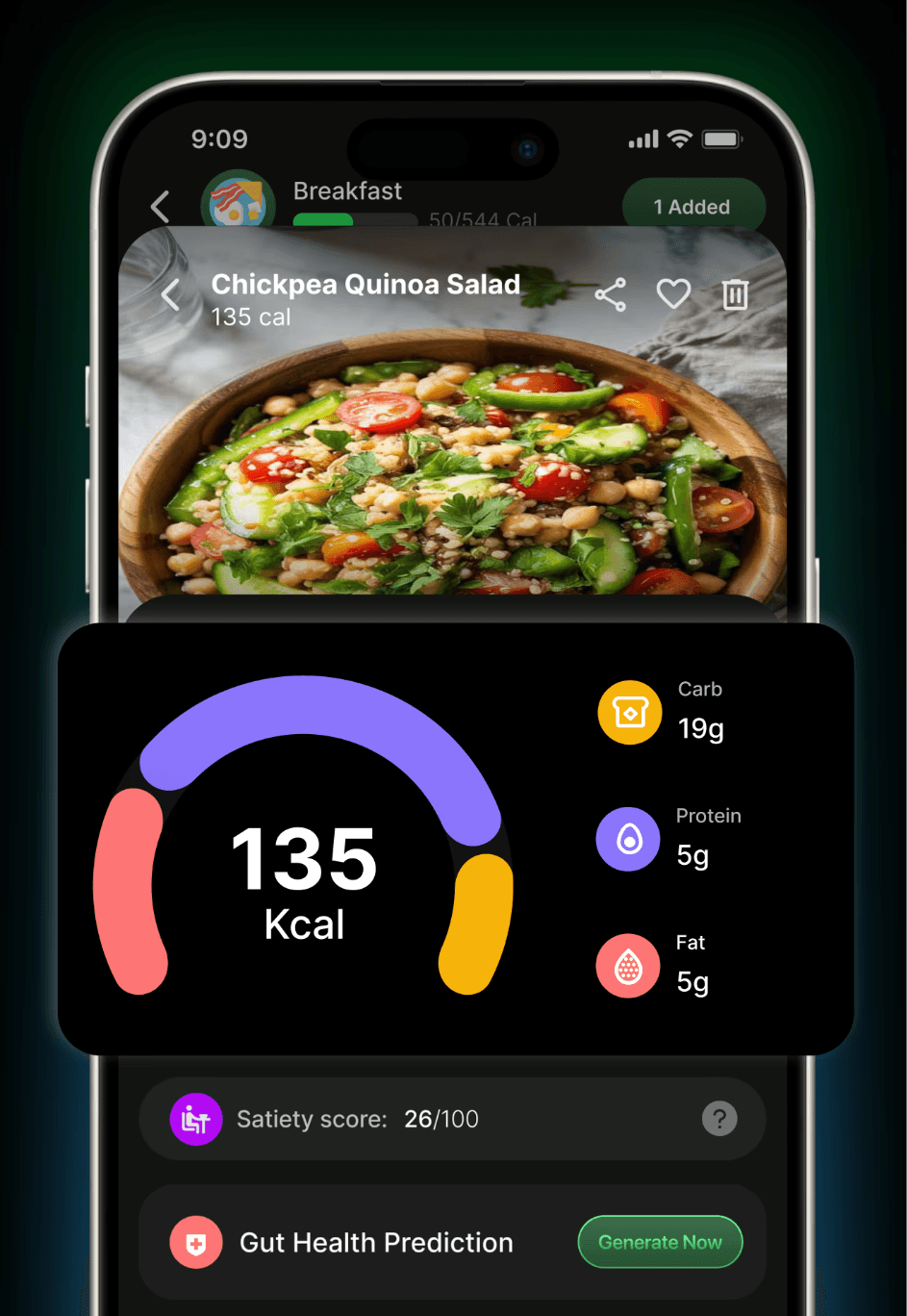
Instead of a notebook you'll lose by Thursday, log everything by photo, voice, or text in Zorest Macro. You end up with a searchable food diary that lines symptoms up against specific ingredients automatically, instead of relying on memory three days later.
Watch for "FODMAP stacking" too. A handful of individually safe foods eaten together can add up past your threshold even when none of them would cause trouble alone.
Work with a registered dietitian if you can. Cutting out whole food groups long-term, without guidance, risks nutrient gaps and a drop in beneficial gut bacteria like Bifidobacteria. That's a real cost for a diet that's only supposed to be a short, supervised diagnostic tool, not a lifestyle.
Final thoughts
Garlic and onion, dairy, wheat-family grains, legumes, and fried or fatty foods cover most of what trips up an IBS gut. But your specific list is yours alone, and only food tracking will reveal it.
The goal isn't the narrowest diet you can survive on. It's the widest one your gut will actually tolerate, built through careful reintroduction rather than permanent fear of entire food groups. If your symptoms are severe, new, or getting worse, loop in a doctor before changing your diet significantly — not as a disclaimer, just the right call for getting an actual diagnosis instead of guessing.