Weight Loss
Weight Loss
Weight Loss
Kimchi has earned a reputation as a gut-friendly superfood. But can a spicy fermented side dish actually reduce your risk of obesity?
The short answer: possibly—but not by itself.
A large Korean study suggests that people who ate moderate amounts of kimchi had a lower risk of obesity than those who rarely ate it. However, that doesn't mean kimchi is a magic weight-loss food. Its benefits appear to come from how it fits into an overall healthy dietary pattern, rather than from any fat-burning property.
Let's unpack what the research actually found—and what it means for your plate.
What is kimchi?
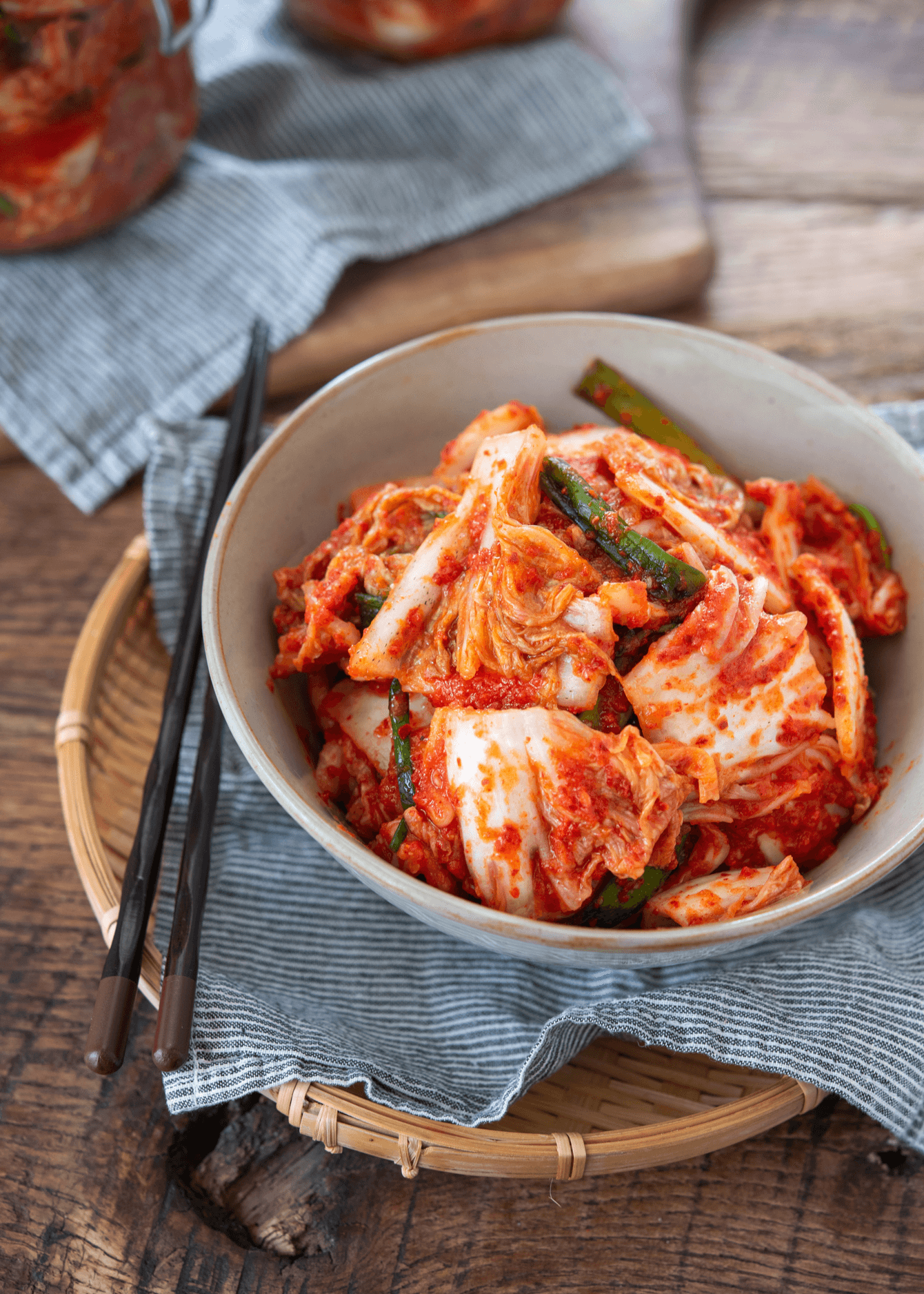
Kimchi is a traditional Korean fermented vegetable dish, most commonly made from napa cabbage or radish, seasoned with garlic, ginger, chili peppers, and other spices.
The fermentation process encourages the growth of beneficial bacteria such as lactic acid bacteria, which are often referred to as probiotics. Kimchi is also naturally rich in fiber while remaining relatively low in calories.
What did the obesity study find?
The biggest takeaway is that moderate kimchi consumption—not excessive intake—was linked with a lower likelihood of obesity.
Researchers analyzed dietary and health data from more than 115,000 Korean adults participating in the Health Examinees (HEXA) study. They compared people's kimchi intake with measures of body weight and abdominal obesity. (PMC)
Some notable findings included:
Men who ate 1–3 servings of total kimchi per day had a lower risk of obesity than men who ate less than one serving daily.
Women consuming moderate amounts of cabbage kimchi also showed a lower prevalence of obesity.
Certain varieties, including cabbage kimchi and radish kimchi, were associated with lower abdominal obesity in some groups.
The protective association weakened when kimchi intake became very high. (PMC)
This is an important distinction. The study does not suggest that eating unlimited kimchi leads to greater weight loss.
Why might kimchi support a healthy weight?
Kimchi contains several characteristics that could make weight management easier, although researchers are still studying the exact mechanisms.
It's low in calories
A serving of kimchi provides relatively few calories while adding flavor, texture, and volume to meals.
Replacing calorie-dense side dishes with vegetables like kimchi may naturally reduce overall calorie intake without leaving you feeling deprived.
It's rich in fiber
Fiber slows digestion and helps increase feelings of fullness.
People who consistently eat fiber-rich diets often consume fewer calories throughout the day because meals stay satisfying for longer.
Kimchi combines vegetables with fermentation, giving you both fiber and beneficial microbes.
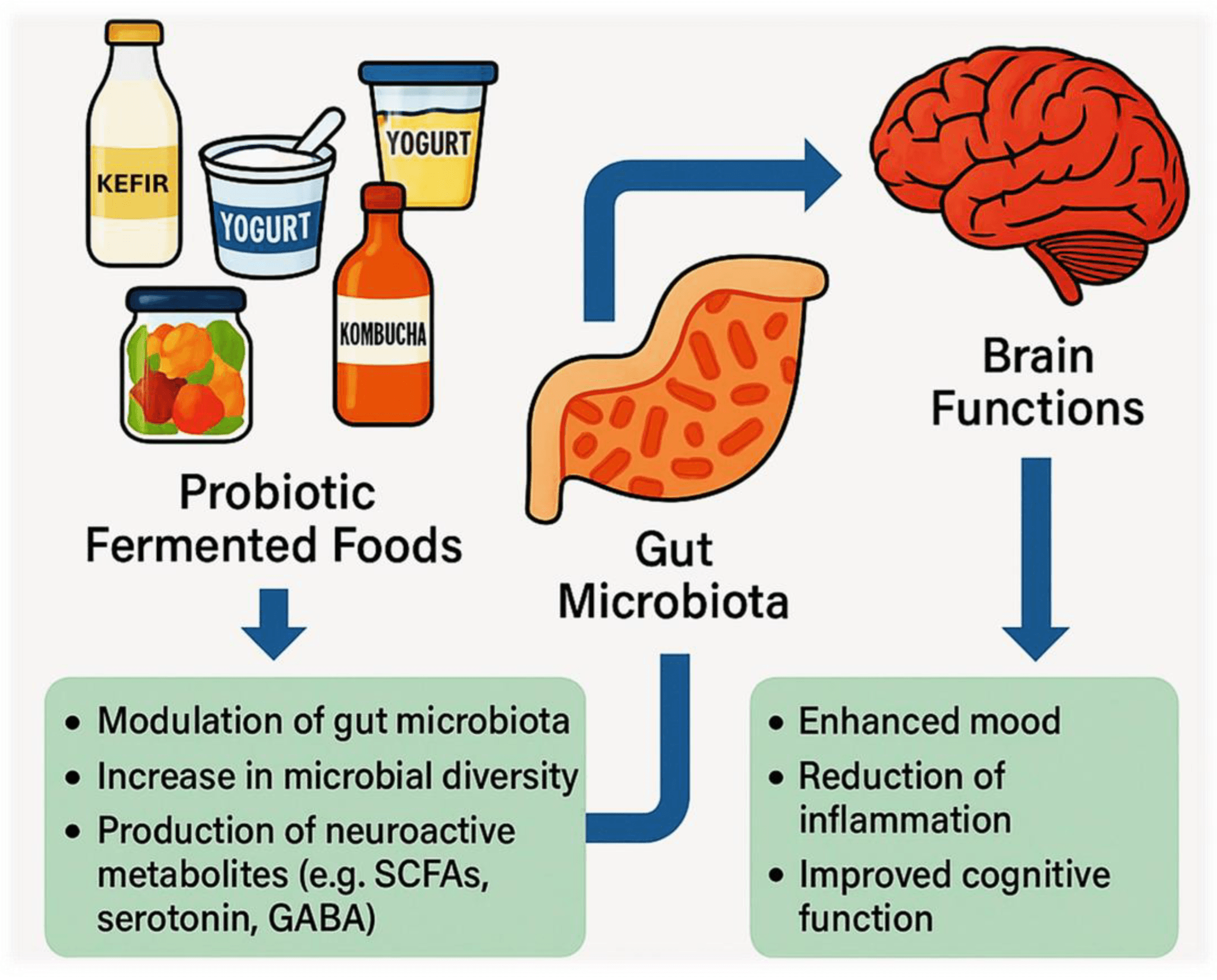
It contains beneficial bacteria
Fermented foods introduce live microorganisms that may support a healthier gut microbiome.
Scientists increasingly believe that gut bacteria influence:
appetite regulation
inflammation
insulin sensitivity
energy extraction from food
Some randomized trials have found fermented kimchi improved body fat, gut bacterial diversity, and certain metabolic markers compared with placebo, although these studies were relatively small. (PubMed)
It may reduce inflammation
Obesity isn't simply about excess calories. Chronic low-grade inflammation also contributes to metabolic dysfunction.
Kimchi contains:
garlic
ginger
cabbage
red pepper
fermentation-derived compounds
These ingredients contain antioxidants and bioactive compounds that may help reduce inflammation, although more human research is needed. (PubMed)
Does this prove kimchi prevents obesity?
No. The study found an association, not proof of cause and effect.
This is where headlines can become misleading.
The Korean study was observational. Researchers looked at eating habits and health outcomes but did not randomly assign people to eat kimchi.
That means people who regularly eat kimchi may also:
cook more meals at home
consume more vegetables overall
eat fewer ultra-processed foods
follow a traditional Korean dietary pattern
be more physically active
Any—or all—of these habits could partly explain the lower obesity risk.
The researchers themselves caution against interpreting the findings as proof that kimchi directly prevents obesity. (PMC)
Can eating too much kimchi be unhealthy?
Yes. More isn't always better.
One concern is sodium.
Many commercial kimchi products contain significant amounts of salt because salt is essential for fermentation.
Consistently consuming excessive sodium may increase the risk of:
high blood pressure
fluid retention
cardiovascular disease in susceptible individuals
That's one reason the study found the strongest associations with moderate intake, rather than unlimited consumption. (BMJ Group)
If you're monitoring sodium intake, choose lower-sodium varieties when possible and balance kimchi with plenty of fresh vegetables.
How to include kimchi in a balanced diet
Think of kimchi as a healthy side dish—not the centerpiece of your weight-loss strategy.
Easy ways to enjoy it include:
Serve alongside grilled chicken or fish.
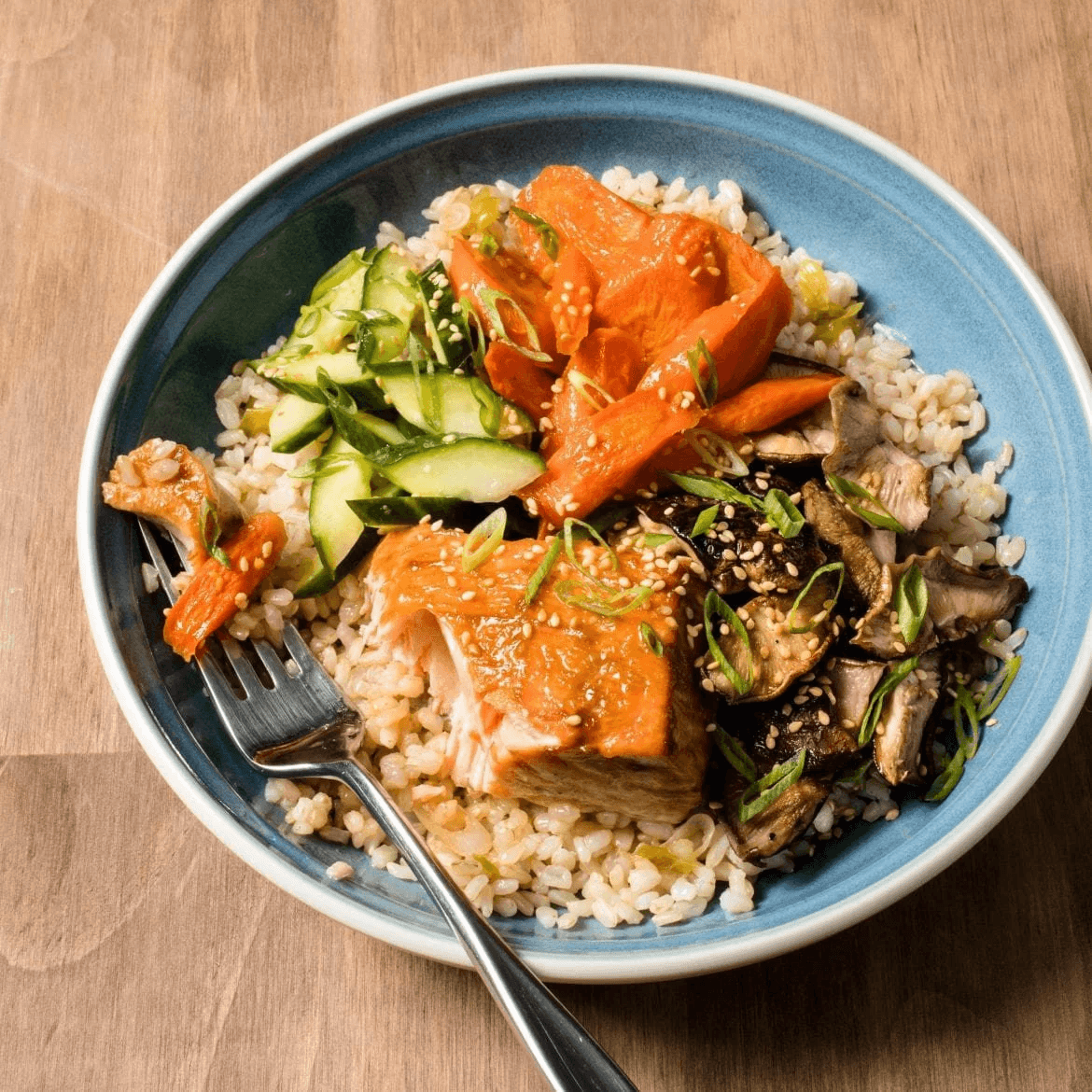
Add to grain bowls.
Mix into fried rice with plenty of vegetables.
Top scrambled eggs.
Add to noodle soups.
Include in wraps or sandwiches.
One or two moderate servings can provide flavor and beneficial bacteria without overwhelming your sodium intake.
What else matters more than kimchi?
No single food determines whether you become obese. Your overall lifestyle matters far more.
The strongest evidence for long-term weight management still comes from habits such as:
maintaining a calorie intake appropriate for your goals
eating plenty of vegetables
consuming adequate protein
exercising regularly
sleeping well
managing stress
limiting ultra-processed foods
Kimchi can certainly fit into this pattern—but it cannot replace it.
Frequently asked questions
Can kimchi help you lose weight?
Kimchi may support weight loss when included in a calorie-controlled, balanced diet because it's low in calories, rich in fiber, and contains beneficial fermented bacteria. However, it doesn't directly burn fat.
How much kimchi should you eat daily?
Current research suggests that around one to three servings per day may offer benefits. Eating substantially more doesn't appear to provide additional advantages and may increase sodium intake. (PMC)
Is kimchi better than probiotics?
Kimchi provides naturally fermented bacteria along with fiber, vitamins, and phytochemicals. Whether it's "better" depends on your needs. Whole fermented foods offer nutritional benefits beyond probiotic supplements.
Can everyone eat kimchi?
Most healthy adults can enjoy kimchi. People with hypertension, kidney disease, or those following low-sodium diets may need to limit portions because many varieties are high in salt. (The Sun)
Final thoughts
Kimchi is one of the most researched fermented foods in the world, and the evidence is encouraging. Moderate consumption has been associated with a lower risk of obesity, better gut health, and improved metabolic markers. But the key word is associated.
No fermented food can override an unhealthy lifestyle. The greatest benefits appear when kimchi becomes one part of a diet rich in vegetables, whole foods, lean proteins, and regular physical activity.
If you already enjoy kimchi, there's good reason to keep it on your plate. If you don't, it's worth trying—not because it's a miracle weight-loss food, but because it's a flavorful way to add more fermented vegetables to your diet.
Got questions? Ping me on LinkedIn.
Kimchi has earned a reputation as a gut-friendly superfood. But can a spicy fermented side dish actually reduce your risk of obesity?
The short answer: possibly—but not by itself.
A large Korean study suggests that people who ate moderate amounts of kimchi had a lower risk of obesity than those who rarely ate it. However, that doesn't mean kimchi is a magic weight-loss food. Its benefits appear to come from how it fits into an overall healthy dietary pattern, rather than from any fat-burning property.
Let's unpack what the research actually found—and what it means for your plate.
What is kimchi?
Kimchi is a traditional Korean fermented vegetable dish, most commonly made from napa cabbage or radish, seasoned with garlic, ginger, chili peppers, and other spices.
The fermentation process encourages the growth of beneficial bacteria such as lactic acid bacteria, which are often referred to as probiotics. Kimchi is also naturally rich in fiber while remaining relatively low in calories.
What did the obesity study find?
The biggest takeaway is that moderate kimchi consumption—not excessive intake—was linked with a lower likelihood of obesity.
Researchers analyzed dietary and health data from more than 115,000 Korean adults participating in the Health Examinees (HEXA) study. They compared people's kimchi intake with measures of body weight and abdominal obesity. (PMC)
Some notable findings included:
Men who ate 1–3 servings of total kimchi per day had a lower risk of obesity than men who ate less than one serving daily.
Women consuming moderate amounts of cabbage kimchi also showed a lower prevalence of obesity.
Certain varieties, including cabbage kimchi and radish kimchi, were associated with lower abdominal obesity in some groups.
The protective association weakened when kimchi intake became very high. (PMC)
This is an important distinction. The study does not suggest that eating unlimited kimchi leads to greater weight loss.
Why might kimchi support a healthy weight?
Kimchi contains several characteristics that could make weight management easier, although researchers are still studying the exact mechanisms.
It's low in calories
A serving of kimchi provides relatively few calories while adding flavor, texture, and volume to meals.
Replacing calorie-dense side dishes with vegetables like kimchi may naturally reduce overall calorie intake without leaving you feeling deprived.
It's rich in fiber
Fiber slows digestion and helps increase feelings of fullness.
People who consistently eat fiber-rich diets often consume fewer calories throughout the day because meals stay satisfying for longer.
Kimchi combines vegetables with fermentation, giving you both fiber and beneficial microbes.
It contains beneficial bacteria
Fermented foods introduce live microorganisms that may support a healthier gut microbiome.
Scientists increasingly believe that gut bacteria influence:
appetite regulation
inflammation
insulin sensitivity
energy extraction from food
Some randomized trials have found fermented kimchi improved body fat, gut bacterial diversity, and certain metabolic markers compared with placebo, although these studies were relatively small. (PubMed)
It may reduce inflammation
Obesity isn't simply about excess calories. Chronic low-grade inflammation also contributes to metabolic dysfunction.
Kimchi contains:
garlic
ginger
cabbage
red pepper
fermentation-derived compounds
These ingredients contain antioxidants and bioactive compounds that may help reduce inflammation, although more human research is needed. (PubMed)
Does this prove kimchi prevents obesity?
No. The study found an association, not proof of cause and effect.
This is where headlines can become misleading.
The Korean study was observational. Researchers looked at eating habits and health outcomes but did not randomly assign people to eat kimchi.
That means people who regularly eat kimchi may also:
cook more meals at home
consume more vegetables overall
eat fewer ultra-processed foods
follow a traditional Korean dietary pattern
be more physically active
Any—or all—of these habits could partly explain the lower obesity risk.
The researchers themselves caution against interpreting the findings as proof that kimchi directly prevents obesity. (PMC)
Can eating too much kimchi be unhealthy?
Yes. More isn't always better.
One concern is sodium.
Many commercial kimchi products contain significant amounts of salt because salt is essential for fermentation.
Consistently consuming excessive sodium may increase the risk of:
high blood pressure
fluid retention
cardiovascular disease in susceptible individuals
That's one reason the study found the strongest associations with moderate intake, rather than unlimited consumption. (BMJ Group)
If you're monitoring sodium intake, choose lower-sodium varieties when possible and balance kimchi with plenty of fresh vegetables.
How to include kimchi in a balanced diet
Think of kimchi as a healthy side dish—not the centerpiece of your weight-loss strategy.
Easy ways to enjoy it include:
Serve alongside grilled chicken or fish.
Add to grain bowls.
Mix into fried rice with plenty of vegetables.
Top scrambled eggs.
Add to noodle soups.
Include in wraps or sandwiches.
One or two moderate servings can provide flavor and beneficial bacteria without overwhelming your sodium intake.
What else matters more than kimchi?
No single food determines whether you become obese. Your overall lifestyle matters far more.
The strongest evidence for long-term weight management still comes from habits such as:
maintaining a calorie intake appropriate for your goals
eating plenty of vegetables
consuming adequate protein
exercising regularly
sleeping well
managing stress
limiting ultra-processed foods
Kimchi can certainly fit into this pattern—but it cannot replace it.
Frequently asked questions
Can kimchi help you lose weight?
Kimchi may support weight loss when included in a calorie-controlled, balanced diet because it's low in calories, rich in fiber, and contains beneficial fermented bacteria. However, it doesn't directly burn fat.
How much kimchi should you eat daily?
Current research suggests that around one to three servings per day may offer benefits. Eating substantially more doesn't appear to provide additional advantages and may increase sodium intake. (PMC)
Is kimchi better than probiotics?
Kimchi provides naturally fermented bacteria along with fiber, vitamins, and phytochemicals. Whether it's "better" depends on your needs. Whole fermented foods offer nutritional benefits beyond probiotic supplements.
Can everyone eat kimchi?
Most healthy adults can enjoy kimchi. People with hypertension, kidney disease, or those following low-sodium diets may need to limit portions because many varieties are high in salt. (The Sun)
Final thoughts
Kimchi is one of the most researched fermented foods in the world, and the evidence is encouraging. Moderate consumption has been associated with a lower risk of obesity, better gut health, and improved metabolic markers. But the key word is associated.
No fermented food can override an unhealthy lifestyle. The greatest benefits appear when kimchi becomes one part of a diet rich in vegetables, whole foods, lean proteins, and regular physical activity.
If you already enjoy kimchi, there's good reason to keep it on your plate. If you don't, it's worth trying—not because it's a miracle weight-loss food, but because it's a flavorful way to add more fermented vegetables to your diet.
Got questions? Ping me on LinkedIn.


Jun 25, 2026
6 min read
Kimchi has earned a reputation as a gut-friendly superfood. But can a spicy fermented side dish actually reduce your risk of obesity?
The short answer: possibly—but not by itself.
A large Korean study suggests that people who ate moderate amounts of kimchi had a lower risk of obesity than those who rarely ate it. However, that doesn't mean kimchi is a magic weight-loss food. Its benefits appear to come from how it fits into an overall healthy dietary pattern, rather than from any fat-burning property.
Let's unpack what the research actually found—and what it means for your plate.
What is kimchi?
Kimchi is a traditional Korean fermented vegetable dish, most commonly made from napa cabbage or radish, seasoned with garlic, ginger, chili peppers, and other spices.
The fermentation process encourages the growth of beneficial bacteria such as lactic acid bacteria, which are often referred to as probiotics. Kimchi is also naturally rich in fiber while remaining relatively low in calories.
What did the obesity study find?
The biggest takeaway is that moderate kimchi consumption—not excessive intake—was linked with a lower likelihood of obesity.
Researchers analyzed dietary and health data from more than 115,000 Korean adults participating in the Health Examinees (HEXA) study. They compared people's kimchi intake with measures of body weight and abdominal obesity. (PMC)
Some notable findings included:
Men who ate 1–3 servings of total kimchi per day had a lower risk of obesity than men who ate less than one serving daily.
Women consuming moderate amounts of cabbage kimchi also showed a lower prevalence of obesity.
Certain varieties, including cabbage kimchi and radish kimchi, were associated with lower abdominal obesity in some groups.
The protective association weakened when kimchi intake became very high. (PMC)
This is an important distinction. The study does not suggest that eating unlimited kimchi leads to greater weight loss.
Why might kimchi support a healthy weight?
Kimchi contains several characteristics that could make weight management easier, although researchers are still studying the exact mechanisms.
It's low in calories
A serving of kimchi provides relatively few calories while adding flavor, texture, and volume to meals.
Replacing calorie-dense side dishes with vegetables like kimchi may naturally reduce overall calorie intake without leaving you feeling deprived.
It's rich in fiber
Fiber slows digestion and helps increase feelings of fullness.
People who consistently eat fiber-rich diets often consume fewer calories throughout the day because meals stay satisfying for longer.
Kimchi combines vegetables with fermentation, giving you both fiber and beneficial microbes.
It contains beneficial bacteria
Fermented foods introduce live microorganisms that may support a healthier gut microbiome.
Scientists increasingly believe that gut bacteria influence:
appetite regulation
inflammation
insulin sensitivity
energy extraction from food
Some randomized trials have found fermented kimchi improved body fat, gut bacterial diversity, and certain metabolic markers compared with placebo, although these studies were relatively small. (PubMed)
It may reduce inflammation
Obesity isn't simply about excess calories. Chronic low-grade inflammation also contributes to metabolic dysfunction.
Kimchi contains:
garlic
ginger
cabbage
red pepper
fermentation-derived compounds
These ingredients contain antioxidants and bioactive compounds that may help reduce inflammation, although more human research is needed. (PubMed)
Does this prove kimchi prevents obesity?
No. The study found an association, not proof of cause and effect.
This is where headlines can become misleading.
The Korean study was observational. Researchers looked at eating habits and health outcomes but did not randomly assign people to eat kimchi.
That means people who regularly eat kimchi may also:
cook more meals at home
consume more vegetables overall
eat fewer ultra-processed foods
follow a traditional Korean dietary pattern
be more physically active
Any—or all—of these habits could partly explain the lower obesity risk.
The researchers themselves caution against interpreting the findings as proof that kimchi directly prevents obesity. (PMC)
Can eating too much kimchi be unhealthy?
Yes. More isn't always better.
One concern is sodium.
Many commercial kimchi products contain significant amounts of salt because salt is essential for fermentation.
Consistently consuming excessive sodium may increase the risk of:
high blood pressure
fluid retention
cardiovascular disease in susceptible individuals
That's one reason the study found the strongest associations with moderate intake, rather than unlimited consumption. (BMJ Group)
If you're monitoring sodium intake, choose lower-sodium varieties when possible and balance kimchi with plenty of fresh vegetables.
How to include kimchi in a balanced diet
Think of kimchi as a healthy side dish—not the centerpiece of your weight-loss strategy.
Easy ways to enjoy it include:
Serve alongside grilled chicken or fish.
Add to grain bowls.
Mix into fried rice with plenty of vegetables.
Top scrambled eggs.
Add to noodle soups.
Include in wraps or sandwiches.
One or two moderate servings can provide flavor and beneficial bacteria without overwhelming your sodium intake.
What else matters more than kimchi?
No single food determines whether you become obese. Your overall lifestyle matters far more.
The strongest evidence for long-term weight management still comes from habits such as:
maintaining a calorie intake appropriate for your goals
eating plenty of vegetables
consuming adequate protein
exercising regularly
sleeping well
managing stress
limiting ultra-processed foods
Kimchi can certainly fit into this pattern—but it cannot replace it.
Frequently asked questions
Can kimchi help you lose weight?
Kimchi may support weight loss when included in a calorie-controlled, balanced diet because it's low in calories, rich in fiber, and contains beneficial fermented bacteria. However, it doesn't directly burn fat.
How much kimchi should you eat daily?
Current research suggests that around one to three servings per day may offer benefits. Eating substantially more doesn't appear to provide additional advantages and may increase sodium intake. (PMC)
Is kimchi better than probiotics?
Kimchi provides naturally fermented bacteria along with fiber, vitamins, and phytochemicals. Whether it's "better" depends on your needs. Whole fermented foods offer nutritional benefits beyond probiotic supplements.
Can everyone eat kimchi?
Most healthy adults can enjoy kimchi. People with hypertension, kidney disease, or those following low-sodium diets may need to limit portions because many varieties are high in salt. (The Sun)
Final thoughts
Kimchi is one of the most researched fermented foods in the world, and the evidence is encouraging. Moderate consumption has been associated with a lower risk of obesity, better gut health, and improved metabolic markers. But the key word is associated.
No fermented food can override an unhealthy lifestyle. The greatest benefits appear when kimchi becomes one part of a diet rich in vegetables, whole foods, lean proteins, and regular physical activity.
If you already enjoy kimchi, there's good reason to keep it on your plate. If you don't, it's worth trying—not because it's a miracle weight-loss food, but because it's a flavorful way to add more fermented vegetables to your diet.
Got questions? Ping me on LinkedIn.
Jun 26, 2026
6 min read
Jun 25, 2026
6 min read
Jun 20, 2026
8 min read
Jun 20, 2026
6 min read

Jun 20, 2026
5 min read

Jun 19, 2026
6 min read

Jun 17, 2026
12 min read

Jun 17, 2026
18 min read

Jun 25, 2026
6 min read
Jun 20, 2026
8 min read
Jun 20, 2026
6 min read
Jun 20, 2026
5 min read
Jun 19, 2026
6 min read
Jun 17, 2026
12 min read
Jun 25, 2026
6 min read
Jun 20, 2026
8 min read
Jun 20, 2026
6 min read
Jun 20, 2026
5 min read

Don’t miss out on your exclusive FREE Trial with code FREEOCTOBER 💚
Download Zorest
Don’t miss out on your exclusive FREE Trial with code FREEOCTOBER 💚
Download Zorest
Don’t miss out on your exclusive FREE Trial with code FREEOCTOBER 💚
Download Zorest