

طبيبة مقيمة في الطب النفسي، MD، MBBS
شارك هذه القصة
Learn why tracking macros matters, how to calculate your ideal macro split, and use Zorest's free Macro Calculator to reach your fitness goals.
TL;DR
Calories determine whether you gain or lose weight.
Macros determine what that weight is made of — fat, muscle, water, or a combination.
Tracking protein, carbohydrates, and fats helps you lose fat more effectively, preserve muscle, improve performance, and stay consistent.
Your ideal macro split depends on your body weight, activity level, goals, and lifestyle.
The easiest way to find your personalized macro targets is by using Zorest's free Macro Calculator: https://tools.zorest.com/tools/macro-calculator
Introduction
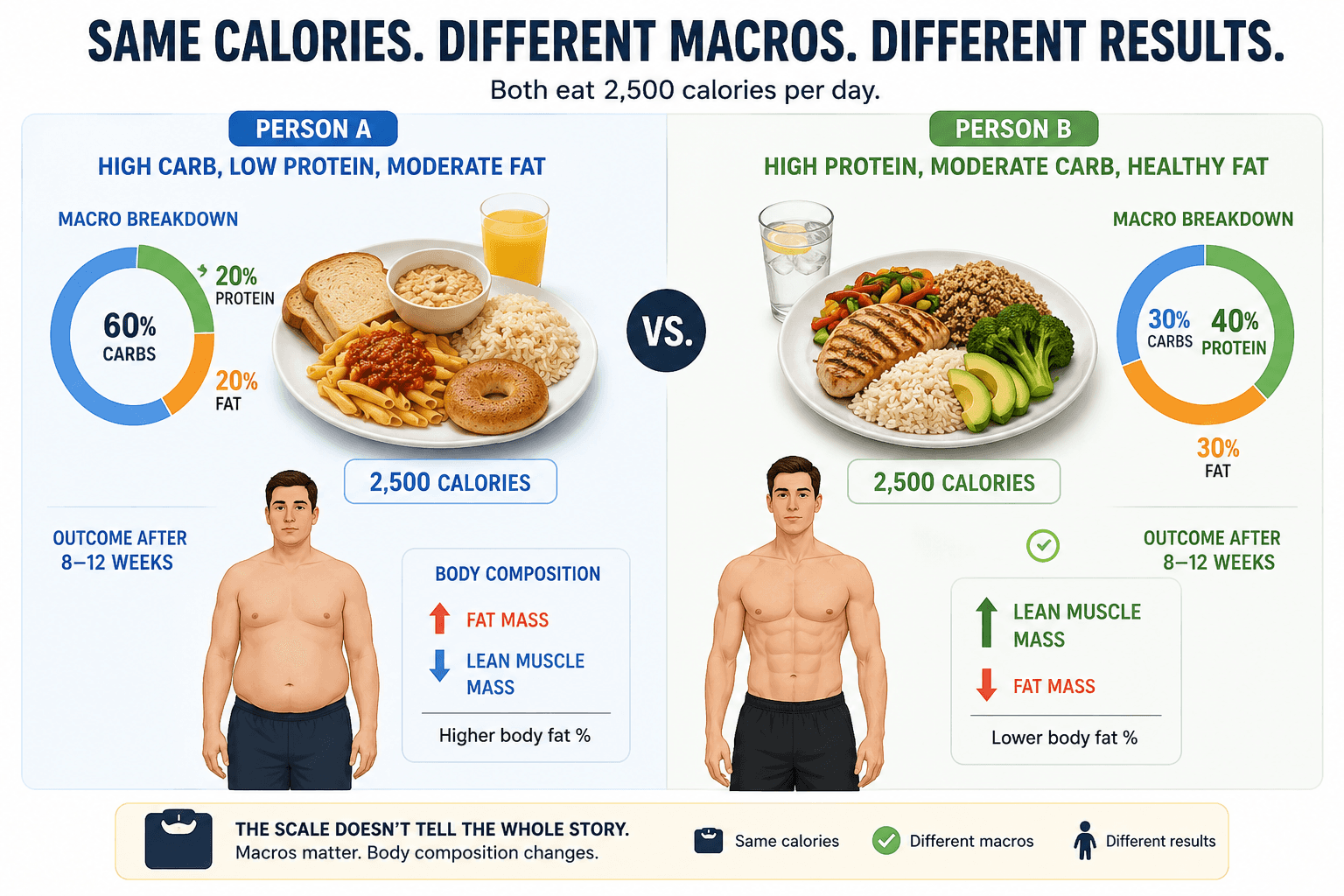
Many people obsess over calories but completely ignore macros.
I've seen people eat 2,000 calories per day, lose weight, and still end up disappointed because they lost muscle, felt hungry all the time, and looked almost identical in the mirror.
Calories tell you how much you eat. Macros tell you what you're eating.
That distinction is often the difference between simply losing weight and actually transforming your body.
In this guide, I'll explain why macro tracking matters, how to calculate the right macro split for your body, and how to avoid the mistakes that keep most people stuck.
What are macros?
Macronutrients (or "macros") are the three nutrients your body needs in large amounts:
Protein
Protein supports muscle growth, recovery, hormone production, immune function, and satiety.
Examples:
Chicken breast
Fish
Eggs
Greek yogurt
Tofu
Protein powder
Carbohydrates
Carbohydrates provide your body's preferred source of energy.
Examples:
Rice
Oats
Potatoes
Fruits
Bread
Pasta
Fat
Dietary fat supports hormone production, brain health, vitamin absorption, and cellular function.
Examples:
Nuts
Seeds
Olive oil
Avocados
Fatty fish
Each macronutrient provides calories:
Protein = 4 calories per gram
Carbohydrates = 4 calories per gram
Fat = 9 calories per gram
This means two diets can contain the exact same calories but produce very different outcomes.
Why macro tracking matters
Better body composition
Bottom line: Macros influence whether you lose fat, gain muscle, or maintain your physique.
Imagine two people both eating 2,200 calories.
Person A eats:
80g protein
High processed foods
Little dietary structure
Person B eats:
180g protein
Balanced carbs and fats
Consistent meal timing
Both may lose weight.
But Person B is far more likely to preserve muscle, recover better from training, and achieve a leaner appearance.
That's because protein intake is one of the strongest predictors of successful body recomposition.
More effective fat loss
One of the biggest mistakes I see is people slashing calories without increasing protein.
Protein has a higher thermic effect than carbs or fats, meaning your body burns more energy digesting it.
Research consistently shows that higher protein diets improve satiety and reduce hunger.
In practical terms:
You stay fuller longer.
You snack less.
You stick to your calorie target more consistently.
Better muscle growth
If your goal is muscle gain, tracking macros becomes even more important.
Muscle growth requires:
Sufficient calories
Adequate protein
Enough carbohydrates to fuel training
Without tracking macros, most people either under-eat protein or overeat calories.
Neither outcome is ideal.
Improved athletic performance
Carbohydrates are your body's premium fuel source during intense exercise.
Many active individuals unknowingly under-consume carbs and wonder why they feel exhausted during workouts.
Tracking macros allows you to match your carbohydrate intake to your activity level.
The result:
Better workouts
Faster recovery
Improved performance
More flexibility with food
Ironically, tracking macros often feels less restrictive than traditional dieting.
Instead of following rigid meal plans, you simply hit your daily targets.
That flexibility allows room for:
Family meals
Restaurant visits
Social events
Favorite foods
As long as they fit within your overall macro budget.
How to calculate your macro split
Bottom line: Your macro targets should reflect your body and goals, not generic internet advice.
The common "40/30/30" recommendation isn't automatically right for everyone.
A 120-pound sedentary office worker and a 220-pound strength athlete shouldn't follow identical macro ratios. Let's break it down properly.
Step 1: Calculate your calorie needs
Before calculating macros, determine your Total Daily Energy Expenditure (TDEE).
TDEE represents the number of calories you burn daily through:
Basic bodily functions
Exercise
Walking
Daily activity
Your calorie target depends on your goal:
Fat loss
Eat approximately 10–20% below maintenance.
Muscle gain
Eat approximately 5–15% above maintenance.
Maintenance
Eat near your TDEE. You can check our blog on TDEE here.
Step 2: Set your protein intake
Protein should be your first priority.
A practical recommendation:
Fat loss: 0.8–1.2 grams per pound of body weight
Muscle gain: 0.8–1.0 grams per pound
Maintenance: 0.7–1.0 grams per pound
Example:
A 180-pound person aiming for fat loss may target:
180 × 1.0 = 180g protein
Calories from protein:
180 × 4 = 720 calories
Step 3: Set your fat intake
Dietary fat supports hormones and overall health.
Most people do well with:
0.3–0.45 grams of fat per pound of body weight
For a 180-pound individual:
180 × 0.4 = 72g fat
Calories from fat:
72 × 9 = 648 calories
Step 4: Allocate remaining calories to carbohydrates
Once protein and fat are set, carbohydrates fill the remaining calorie budget.
Example:
Daily calorie target: 2,400
Protein calories: 720
Fat calories: 648
Remaining calories:
2,400 − 720 − 648 = 1,032
Carbohydrates:
1,032 ÷ 4 = 258g carbs
Final macro split:
Protein: 180g
Fat: 72g
Carbs: 258g
That's a personalized macro plan rather than a generic percentage.
[Illustration showing calories being allocated first to protein, then fats, then remaining calories to carbohydrates]
Why most people calculate macros incorrectly
They copy influencers
A macro split that works for a professional bodybuilder may not work for a parent with a desk job.
Your macros should reflect your:
Weight
Body composition
Activity level
Goal
Not someone else's.
They ignore protein
This is probably the most common mistake.
Protein is the foundation of body composition.
When calories are reduced but protein remains low, muscle loss becomes more likely.
They never adjust
Your body changes.
Your macros should change too.
As you lose weight, gain muscle, or become more active, your calorie and macro requirements evolve.
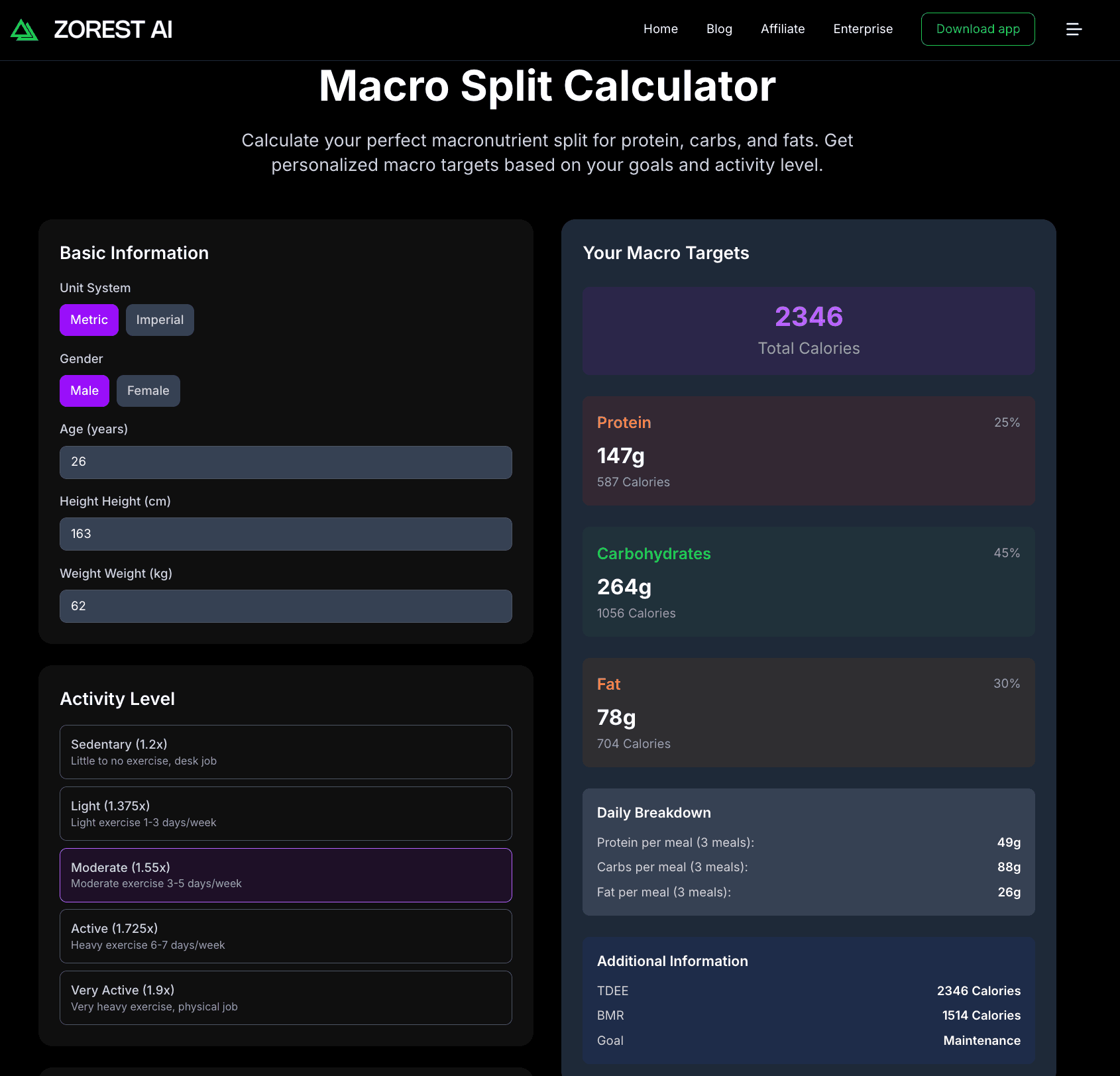
Use Zorest's free macro calculator
Calculating macros manually isn't difficult, but it can be time-consuming.
That's why we built a free Macro Calculator that instantly generates personalized macro targets based on your:
Age
Sex
Weight
Height
Activity level
Goal
👉 https://tools.zorest.com/tools/macro-calculator
Track your macros without doing math
Once you've calculated your targets, consistency becomes the next challenge.
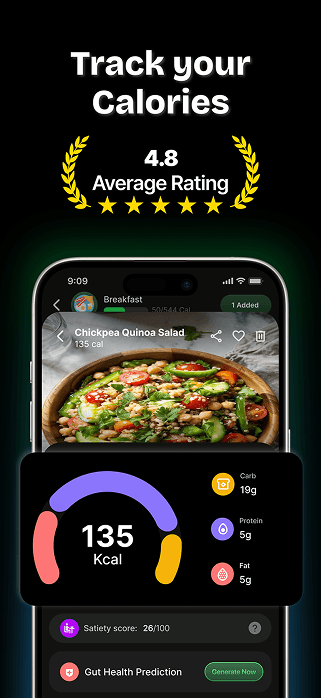
This is where Zorest Macro becomes useful.
Instead of manually entering nutrition information into spreadsheets, you can:
Log meals using text, voice, photos, barcodes, or food labels
Instantly see your protein, carb, and fat breakdown
Get personalized meal recommendations
Analyze restaurant menus before eating out
Receive weekly coaching guidance from your AI nutrition coach
For many people, tracking becomes sustainable only when it requires less effort.
That's exactly the problem these tools solve.
Final thoughts
Macro tracking isn't about becoming obsessed with numbers.
It's about understanding what drives results.
Calories determine whether weight changes.
Macros determine how your body changes.
If your goal is fat loss, muscle gain, body recomposition, or simply eating more intentionally, learning your macro targets is one of the highest-return nutrition skills you can develop.
Start by calculating your personalized targets using the free Zorest Macro Calculator, then focus on consistency rather than perfection.
Small daily improvements compound faster than most people realize.