
طبيبة مقيمة في الطب النفسي، MD، MBBS
شارك هذه القصة
TL;DR
Almost nothing you eat is truly zero-calorie. Water, ice, black coffee, and plain tea are about the only exceptions.
"Negative calorie" foods like celery and cucumber are a myth. No food has ever been shown to cost more energy to digest than it provides.
The real lever is energy density: low-calorie, high-volume foods fill you up on less, and that's backed by real satiety research, not internet math.
Used as a first course, a swap, or a pre-meal habit, not stacked on top of everything else, these foods can meaningfully cut what you eat at a meal.
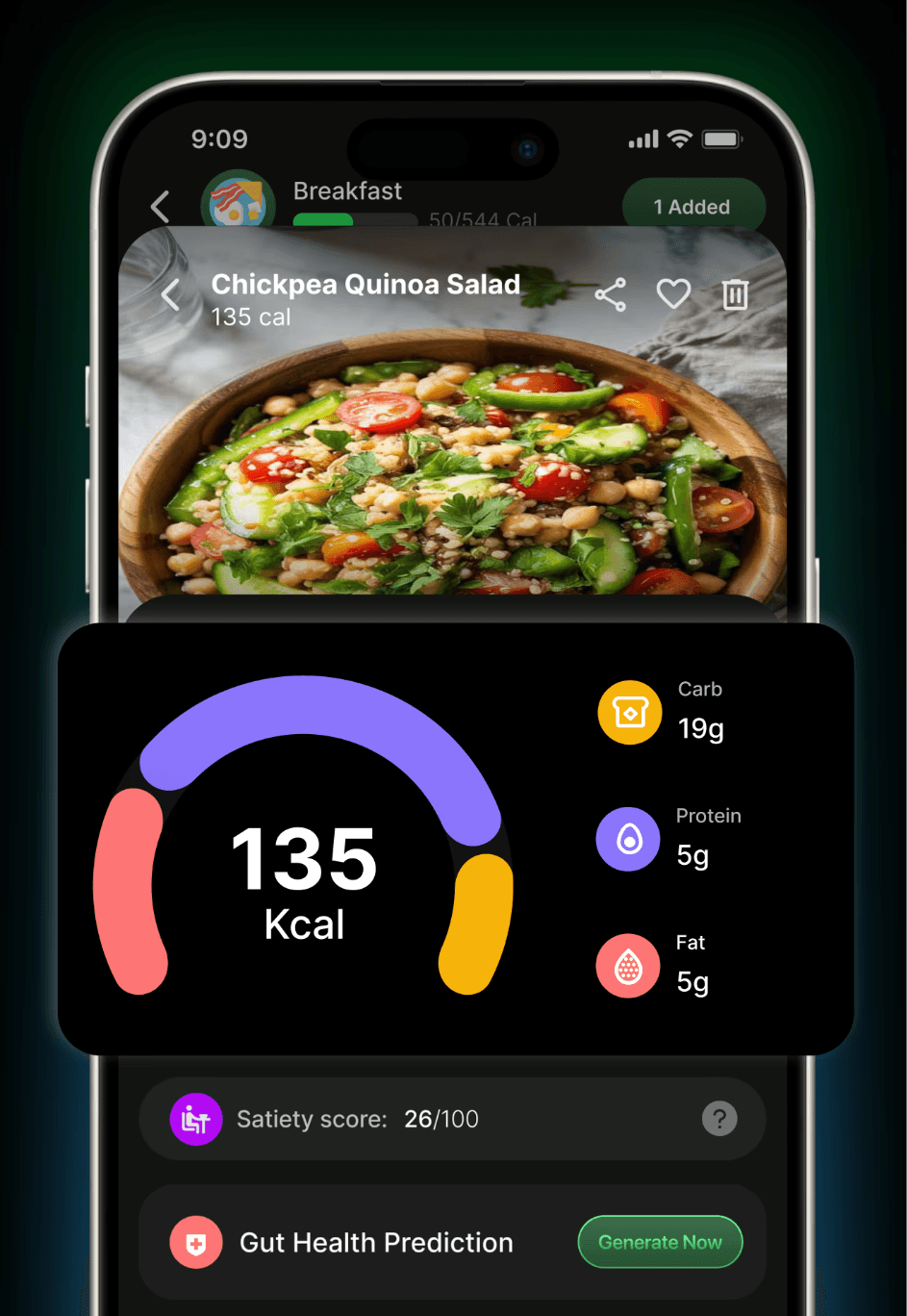
Want proof instead of guesswork? Zorest Macro's AI Meal Logger can show you the actual calorie density of anything on your plate from a single photo.
I used to buy celery by the bag. Not because I liked it (nobody truly loves raw celery), but because some corner of the internet had convinced 22-year-old me that eating it burned more calories than it contained. Free food, finally, math working in my favor.
It doesn't work that way, and chasing it wastes a perfectly good grocery budget. But a short list of genuinely low-calorie foods can still help you lose weight, just not for the reason most lists give you. Let's separate the myth from the mechanism, then get to the actual list.
Zero-calorie foods are mostly a myth
People usually mean one of two things when they say "zero-calorie food." Either a food with literally no calories, or a "negative calorie" food that supposedly burns more energy to digest than it provides. Neither holds up exactly as advertised, so let's deal with both.
Every time you eat anything, your body spends energy digesting, absorbing, and metabolizing it. Researchers call this the thermic effect of food.
Protein costs the most, about 20 to 30% of its own calories. Carbohydrates cost less, somewhere between 5 and 10%. Fat costs almost nothing, under 3%, based on a meta-analysis of meal-test trials.
For a food to be genuinely "negative calorie," digesting it would have to cost more than 100% of its own calories. No credible study has ever shown that happening, for any food, going by the available evidence.
My favorite proof of this is a little strange: a 2019 study fed celery to bearded dragons, whose digestion is similar enough to ours to make a useful stand-in. A full third of the celery's energy went toward digesting and excreting it. The lizards still walked away with a net energy gain of 24%, not a deficit.
So what's actually calorie-free? Plain water, ice, black coffee, and unsweetened tea round down close enough to zero to count. Everything else, including celery, lettuce, and cucumber, still adds a few calories. They're just very few, not none.
Why low-calorie foods still help you lose weight
If "negative calorie" foods are a myth, why do so many people who eat a lot of vegetables still lose weight? The honest answer has a name: energy density.
What is energy density?
Energy density is the number of calories packed into a given weight of food. A food that's mostly water and fiber, with very little fat, has low energy density, so you can eat a large amount of it for relatively few calories.
Your stomach responds to volume and weight before it responds to a calorie count. A large plate of low-density food triggers fullness signals faster than a small, calorie-dense plate, even at the exact same number of calories.
Penn State researcher Barbara Rolls has spent two decades studying exactly this, and built an entire approach to weight management, Volumetrics, around it.
The data backs it up. In a randomized trial, women who ate a large, low-calorie salad before lunch ate 12% fewer total calories at that meal than women who skipped the starter. A separate study found that a bowl of low-calorie vegetable soup before lunch cut total meal calories by 20%.
That's the real mechanism. Not negative calories, just less room left over for whatever calorie-dense food comes next.
The best low-calorie foods for weight loss
Here's the actual list, grouped by how close to zero each one gets. Calories are per 100 grams (about 3.5 ounces), based on USDA food data, so you're comparing like for like.
Genuinely calorie-free (or close enough): Still or sparkling water, ice, black coffee, and plain unsweetened tea (green, black, or herbal) all sit at 0 to 2 calories per serving.
Ultra-low-calorie vegetables (under 25 calories per 100g): Iceberg lettuce and celery (around 14 calories), cucumber (12 to 15 calories), tomatoes (19 calories), red peppers (21 calories), white mushrooms (22 calories), and cauliflower (25 calories).
Low-calorie additions (25 to 40 calories per 100g): Kale (28 calories), strawberries (32 calories), cantaloupe (34 calories), and broccoli (34 calories).
None of these foods do anything special on their own. What makes them useful is how you eat them, and that's the part most "zero-calorie food" lists skip entirely.
How to actually use these foods for weight loss
These foods only help if you eat them instead of, or before, something more calorie-dense. Stacked on top of your normal meals, they just add calories on top of calories.
Eat a full bowl, at least 2 to 3 cups, of one of the vegetables above on its own, about 15 to 20 minutes before your main meal. By the time the entrée shows up, your stomach already has volume in it, so it asks for less of what comes next.
Swap instead of stack where you can. Cauliflower rice instead of white rice, zucchini noodles instead of pasta, lettuce wraps instead of tortillas. None of these swaps burn calories. They just free up room for the foods you actually want.
Water helps too, and it has the research to back it. In a 12-week trial, adults who drank 500ml of water 30 minutes before meals lost 1.3kg more than a comparison group.
More than a quarter of them lost at least 5% of their body weight, against one in twenty in the control group.
If you want to know whether a swap is actually working instead of guessing, log it. I tell people in the Zorest Macro community to photo-log their "first course" separately from their main plate for a week. The AI Meal Logger breaks both down automatically, so you can see in real numbers how much room that side salad bought you.
Why this strategy alone won't get you to your goal
Low-calorie vegetables can backfire the moment you add the wrong toppings, and volume alone doesn't replace protein.
The same Penn State research that found a 12% reduction from a low-calorie salad found the opposite when the salad was loaded with extra cheese and full-fat dressing. Total meal calories went up by 17%, not down. The win depends entirely on what you put on the vegetable, not the vegetable itself.
Volume also doesn't replace protein's job. A plate of cucumber will fill your stomach, but it won't keep you satisfied for hours or protect muscle the way a serving of chicken, fish, or lentils will. Pair low-density foods with a real protein source instead of swapping one for the other.
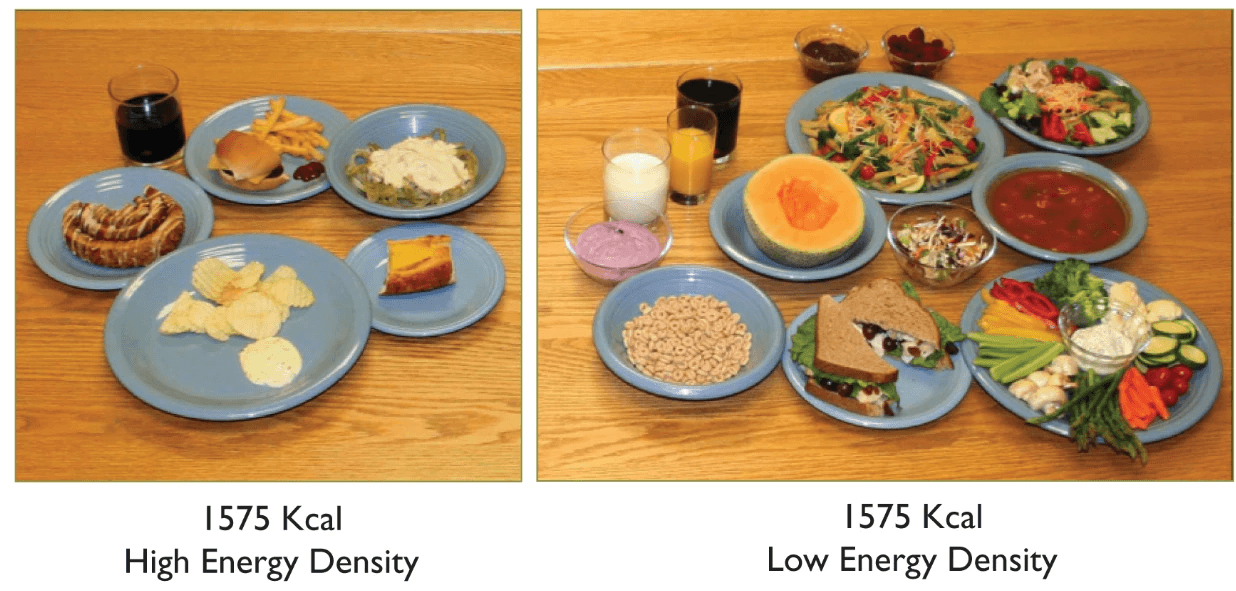
None of this replaces an actual calorie deficit either. These foods make hitting one easier and less miserable. They don't substitute for one.
Final thoughts
There's no free lunch here, calorically speaking. Celery doesn't burn itself away, and a glass of water won't melt fat off your body.
But the foods on this list still earn their place in a weight-loss plan, not because they cancel out their own calories, but because they let you eat a satisfying amount of food for very little energy.
Used the right way, as a first course, a swap, or a hydration habit, instead of a free-for-all, they're one of the few "easy wins" in nutrition that's actually backed by research instead of internet folklore.