
طبيبة مقيمة في الطب النفسي، MD، MBBS
شارك هذه القصة
The internet loves turning self-improvement into a trend.
We've seen looksmaxxing, sleepmaxxing, studymaxxing, and even "watermaxxing." Now there's a new term gaining traction across fitness communities: Ironmaxxing.
At first glance, it sounds like another social media buzzword. But underneath the catchy name is a surprisingly practical philosophy focused on building strength, improving health, and becoming the strongest version of yourself.
So what exactly is ironmaxxing, and is it something worth doing?
Let's break it down.
What is ironmaxxing?
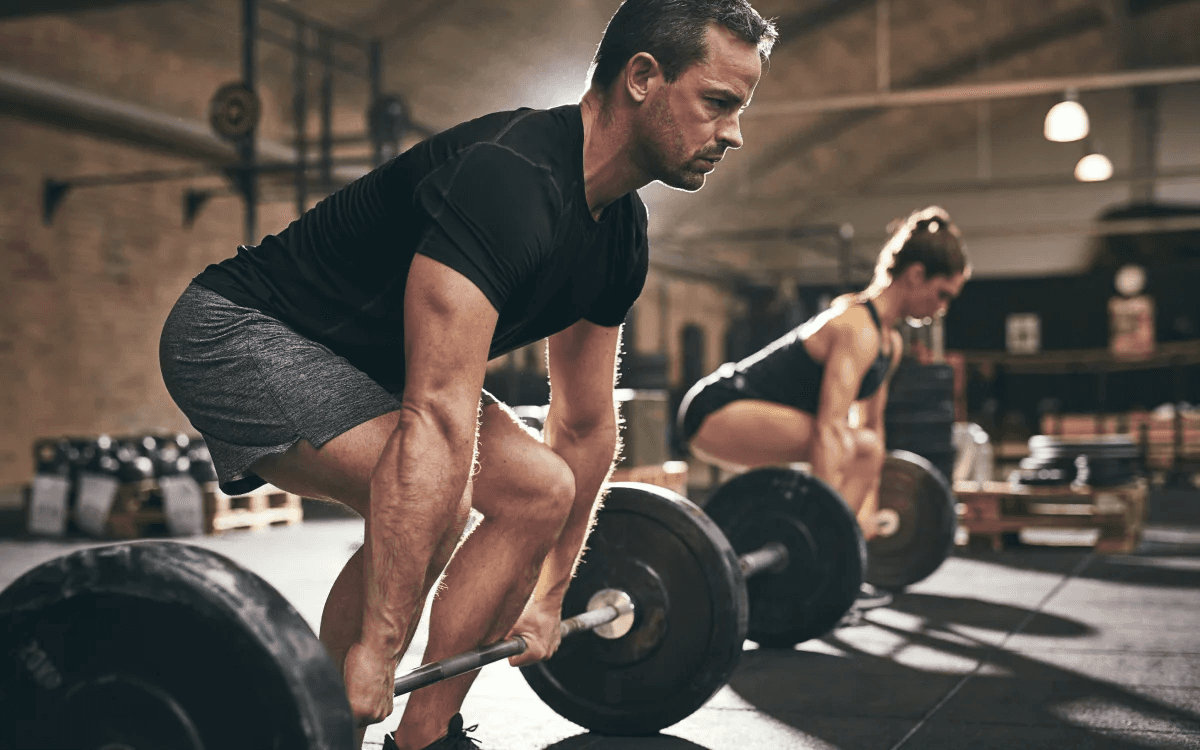
Ironmaxxing is the deliberate pursuit of physical improvement through resistance training, proper nutrition, recovery, and lifestyle optimization.
The term combines "iron" (a reference to weights and strength training) with "maxxing," internet slang for maximizing a particular aspect of life.
Unlike trends that focus purely on appearance, ironmaxxing emphasizes building a stronger body through consistent habits.
In simple terms:
Lift weights regularly
Eat to support muscle growth and recovery
Prioritize sleep
Improve body composition
Develop discipline and confidence
Many people describe it as a holistic approach to fitness rather than simply "going to the gym."
Where did the term ironmaxxing come from?
Ironmaxxing emerged from online fitness forums, social media platforms, and self-improvement communities.
The word follows the pattern of other internet terms such as:
Looksmaxxing (improving physical appearance)
Healthmaxxing (optimizing overall health)
Sleepmaxxing (improving sleep quality)
Wealthmaxxing (maximizing financial success)
Over time, fitness creators adopted the term to describe people who dedicate themselves to strength training and physical transformation.
While the name may be new, the concept is not.
Bodybuilders, powerlifters, athletes, and fitness enthusiasts have been practicing the principles of ironmaxxing for decades. The internet simply gave it a new label.
The core principles of ironmaxxing
The foundation of ironmaxxing can be broken into several key pillars.
Strength training comes first
The central idea is simple:
Progressively challenge your muscles over time.
This usually involves exercises such as:
Squats
Deadlifts
Bench presses
Pull-ups
Rows
Overhead presses
The goal is gradual progression.
For example:
If you bench press 135 pounds today and 185 pounds six months from now, you've successfully improved your strength and likely gained muscle along the way.
Ironmaxxing values measurable progress rather than random workouts.
Nutrition supports performance
Training creates the stimulus.
Nutrition provides the materials needed for adaptation.
People following an ironmaxxing lifestyle often focus on:
Adequate protein intake
Sufficient calories
Whole foods
Proper hydration
Nutrient-dense meals
Protein is especially important because it supplies amino acids that help repair and build muscle tissue.
Most active individuals benefit from consuming approximately 1.6–2.2 grams of protein per kilogram of body weight daily.
According to a large review published in the British Journal of Sports Medicine, protein intake within this range appears optimal for muscle growth in resistance-trained individuals.
Recovery drives results
One mistake beginners make is believing that muscles grow during workouts.
They don't.
Muscle growth occurs during recovery.
This means ironmaxxing places significant emphasis on:
Quality sleep
Rest days
Stress management
Recovery nutrition
Research consistently shows that poor sleep can reduce muscle recovery, impair performance, and negatively affect hormone regulation.
Someone sleeping four hours per night will struggle to achieve the same results as someone consistently getting seven to nine hours.
Consistency beats perfection
Perhaps the most important principle is consistency.
Many people start fitness journeys with extreme motivation.
Few maintain it.
Ironmaxxing encourages sustainable habits instead of short bursts of effort.
A moderate workout program followed for three years will outperform a perfect plan abandoned after three weeks.
Is ironmaxxing only about building muscle?
No.
This is one of the biggest misconceptions.
While muscle growth is often a goal, ironmaxxing can also focus on:
Improving health markers
Increasing athletic performance
Reducing body fat
Improving posture
Enhancing confidence
Increasing longevity
Research from the American College of Sports Medicine and other health organizations consistently links resistance training with improved metabolic health, bone density, and quality of life.
In other words, lifting weights isn't just about looking better.
It's also about functioning better.
The benefits of ironmaxxing
People are drawn to ironmaxxing because the rewards often extend far beyond the gym.
Increased strength
The most obvious benefit is becoming physically stronger.
Daily activities become easier:
Carrying groceries
Moving furniture
Climbing stairs
Playing sports
Strength improves overall functionality throughout life.
Improved body composition
Many people experience:
More muscle mass
Less body fat
Better muscle definition
This occurs because resistance training helps preserve muscle while supporting fat loss.
Better mental health
Numerous studies have linked resistance training with reductions in:
Anxiety
Depression symptoms
Stress
Many gym-goers describe weight training as a productive outlet for managing daily pressures.
Greater confidence
Achieving physical goals often creates psychological momentum.
When someone sees measurable progress in the gym, they frequently develop greater confidence in other areas of life as well.
Common ironmaxxing mistakes
Not all approaches lead to success.
Several common mistakes can slow progress.
Chasing social media workouts
Many viral workouts prioritize entertainment over effectiveness.
A basic program built around proven exercises usually produces better results than flashy routines.
Ignoring nutrition
You cannot out-train a poor diet.
Even the best workout program will struggle to produce results without adequate nutrition.
Training too hard
More is not always better.
Excessive training can increase fatigue and reduce recovery capacity.
Expecting instant transformations
Social media often creates unrealistic expectations.
Meaningful muscle gain takes months.
Significant body transformations often take years.
Ironmaxxing is a long-term process.
Can beginners start ironmaxxing?
Absolutely.
In fact, beginners often see the fastest improvements.
A simple starting plan might include:
Three strength-training sessions per week
Day 1:
Squat
Bench press
Row
Day 2:
Deadlift
Overhead press
Pull-up
Day 3:
Repeat with progressive overload
Combined with adequate protein and sleep, this can create impressive results over time.
The key is keeping things simple.
Ironmaxxing vs bodybuilding
Although they overlap, they are not identical.
Ironmaxxing | Bodybuilding |
Focuses on overall self-improvement | Focuses on physique development |
Includes health, discipline, and strength | Primarily emphasizes aesthetics |
Accessible to most people | Often involves competitive goals |
Lifestyle-oriented | Sport-oriented |
Many bodybuilders ironmaxx.
Not everyone who ironmaxxes is a bodybuilder.
Is ironmaxxing worth it?
For most people, yes.
The underlying principles are supported by decades of exercise science:
Lift weights consistently
Eat nutritious foods
Recover properly
Progress gradually
Stay consistent
The internet may have created a trendy name, but the fundamentals remain timeless.
Whether your goal is building muscle, losing fat, improving health, or simply becoming stronger, ironmaxxing offers a practical framework for getting there.
Final thoughts
Ironmaxxing isn't really about maximizing iron.
It's about maximizing yourself through strength, discipline, and long-term habits.
The strongest people aren't necessarily the ones lifting the heaviest weights. They're often the people who show up week after week, year after year, and continue investing in their health.
If you view ironmaxxing as a sustainable lifestyle rather than a social media trend, you'll likely gain far more than muscle. You'll build habits that can improve your health, confidence, and quality of life for decades.
Got questions? Ping me on Linkedin.