
طبيبة مقيمة في الطب النفسي، MD، MBBS
شارك هذه القصة
Most people focus on weight. But weight alone tells you almost nothing about what's actually happening inside your body.
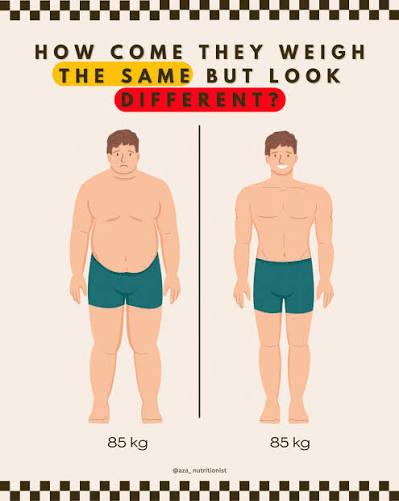
Two people can weigh 180 pounds and look completely different. One may have visible abs and athletic performance. The other may carry most of their weight as body fat. The scale sees them as identical. Your body composition does not.
Understanding body composition helps you make smarter decisions about fat loss, muscle gain, health, and fitness. It shifts the conversation from “How much do I weigh?” to “What is my body made of?”
In this guide, I'll explain what body composition is, why it matters, and the best ways to measure it accurately.
What is body composition?
Body composition is the percentage of fat, muscle, bone, water, and other tissues that make up your body weight.
Instead of looking at your total weight, body composition breaks your weight into meaningful categories.
The two most important components are:
Fat mass (body fat)
Fat-free mass (muscle, bone, organs, water, and connective tissue)
For example:
Person | Weight | Body Fat | Lean Mass |
Person A | 180 lbs | 30% | 126 lbs |
Person B | 180 lbs | 15% | 153 lbs |
Although both weigh the same, Person B carries significantly more muscle and less fat.
This is why fitness professionals often care more about body composition than body weight.
Why body composition matters more than weight
Your body composition reveals health and fitness changes that the scale cannot.
I've seen many people become frustrated because their weight stayed the same after weeks of exercising. Then we looked at body composition.
They had lost 5 pounds of fat and gained 5 pounds of muscle.
The scale showed zero progress. Their body composition showed massive progress.
Body composition helps you:
Evaluate fat loss accurately
When losing weight, you ideally want most of the loss to come from fat—not muscle.
Tracking body fat percentage helps ensure you're preserving lean tissue.
Track muscle growth
If you're strength training, body composition reveals whether your workout program is actually building muscle.
Assess health risks
Research shows excess body fat, especially around the abdomen, increases the risk of:
Type 2 diabetes
Heart disease
High blood pressure
Metabolic syndrome
According to the U.S. Centers for Disease Control and Prevention (CDC), obesity significantly increases the risk of several chronic diseases.
Set better fitness goals
Instead of saying:
"I want to lose 20 pounds."
You can say:
"I want to reduce body fat from 30% to 22%."
That's a much more meaningful goal.
What are the main components of body composition?
Body composition consists of several different tissues, each serving a unique purpose.
Body fat
Body fat stores energy and supports hormone production.
There are two primary types:
Essential fat: Necessary for survival
Storage fat: Extra fat stored for energy
Some body fat is healthy and necessary.
Too little body fat can be just as problematic as too much.
Muscle mass
Muscle supports movement, strength, metabolism, and overall function.
The more muscle you have, the more calories your body typically burns at rest.
This is one reason resistance training is so valuable.
Bone mass
Bones provide structural support and protect vital organs.
Bone density becomes increasingly important with age.
Body water
Water makes up approximately 50–70% of total body weight.
Hydration levels can influence many body composition measurements.
Organs and connective tissues
Organs, tendons, ligaments, and connective tissues make up the remainder of your lean body mass.
What is a healthy body fat percentage?
Healthy body fat ranges vary based on age, sex, and activity level.
General guidelines are:
Men
Category | Body Fat % |
Essential Fat | 2–5% |
Athletes | 6–13% |
Fitness | 14–17% |
Average | 18–24% |
Obesity | 25%+ |
Women
Category | Body Fat % |
Essential Fat | 10–13% |
Athletes | 14–20% |
Fitness | 21–24% |
Average | 25–31% |
Obesity | 32%+ |
Remember that "healthy" is not always the same as "lean."
Many social media physiques operate at body fat levels that are difficult to maintain year-round.
How to measure body composition
No method is perfect. The best choice depends on your budget, accessibility, and goals.
Let's examine the most common options.
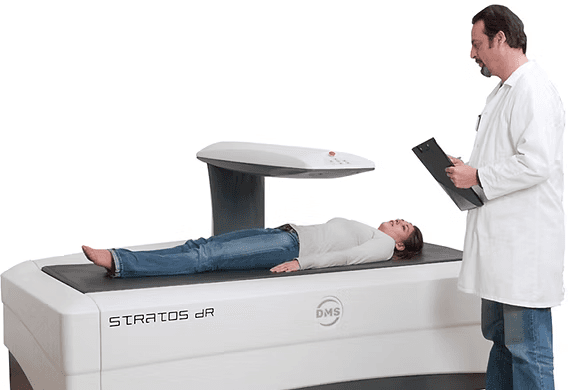
DEXA scans
DEXA is considered one of the most accurate body composition tests available.
DEXA (Dual-Energy X-ray Absorptiometry) uses low-dose X-rays to measure:
Body fat
Lean tissue
Bone density
Advantages:
Highly accurate
Detailed regional analysis
Tracks small changes
Disadvantages:
Expensive
Requires specialized equipment
DEXA is often considered the gold standard for body composition testing.
Bioelectrical impedance analysis (BIA)
BIA scales estimate body composition by measuring electrical resistance through the body.
Many home smart scales use this technology.
Advantages:
Affordable
Convenient
Quick measurements
Disadvantages:
Less accurate
Sensitive to hydration levels
Results can fluctuate daily
If you use a BIA scale, measure under consistent conditions:
Same time of day
Similar hydration
Similar food intake
Consistency matters more than perfection.
Skinfold calipers
Skinfold measurements estimate body fat using pinch measurements at specific body sites.
A trained professional measures skin thickness using calipers.
Advantages:
Inexpensive
Portable
Reasonably accurate when performed correctly
Disadvantages:
Requires experience
Accuracy varies by tester
I've seen skilled coaches produce surprisingly reliable results using nothing more than calipers.
Hydrostatic weighing
Hydrostatic weighing measures body density underwater.
Because fat floats and muscle sinks, body density can estimate body fat percentage.
Advantages:
Highly accurate
Disadvantages:
Inconvenient
Expensive
Limited availability
This method is less common today because DEXA has become more accessible.
Body circumference measurements
Tape measurements offer a simple way to monitor body composition changes over time.
Common areas include:
Waist
Hips
Chest
Arms
Thighs
While not a direct body composition measurement, changes in circumference often reflect fat loss and muscle gain.
For many people, a shrinking waistline provides more useful feedback than the scale.
Can BMI measure body composition?
No. BMI does not measure body composition.
BMI (Body Mass Index) only compares weight and height.
It cannot distinguish between:
Muscle
Fat
Bone
Water
For example, many athletes have BMI values that classify them as overweight despite having low body fat levels.
BMI can be useful for population studies but is often inaccurate for individuals.
How often should you measure body composition?
Most people only need to measure body composition once every 4–8 weeks.
Body composition changes slowly.
Testing too frequently can create unnecessary stress and confusion.
A practical schedule:
Every month during fat loss
Every 6–8 weeks during muscle-building phases
Focus on long-term trends rather than daily fluctuations.
How to improve your body composition
Improving body composition means reducing excess fat while preserving or building muscle.
The most effective strategy combines:
Prioritize protein
Protein helps maintain muscle during weight loss and supports muscle growth.
Aim for approximately 0.7–1.0 grams of protein per pound of target body weight.
Strength train consistently
Resistance training provides the stimulus needed to maintain and build lean mass.
Focus on:
Squats
Deadlifts
Rows
Presses
Pull-ups
Create a sustainable calorie deficit
For fat loss, a moderate calorie deficit typically works better than aggressive dieting.
Crash diets often lead to muscle loss.
Sleep adequately
Poor sleep disrupts hunger hormones and recovery.
Most adults benefit from 7–9 hours per night.
Track your nutrition
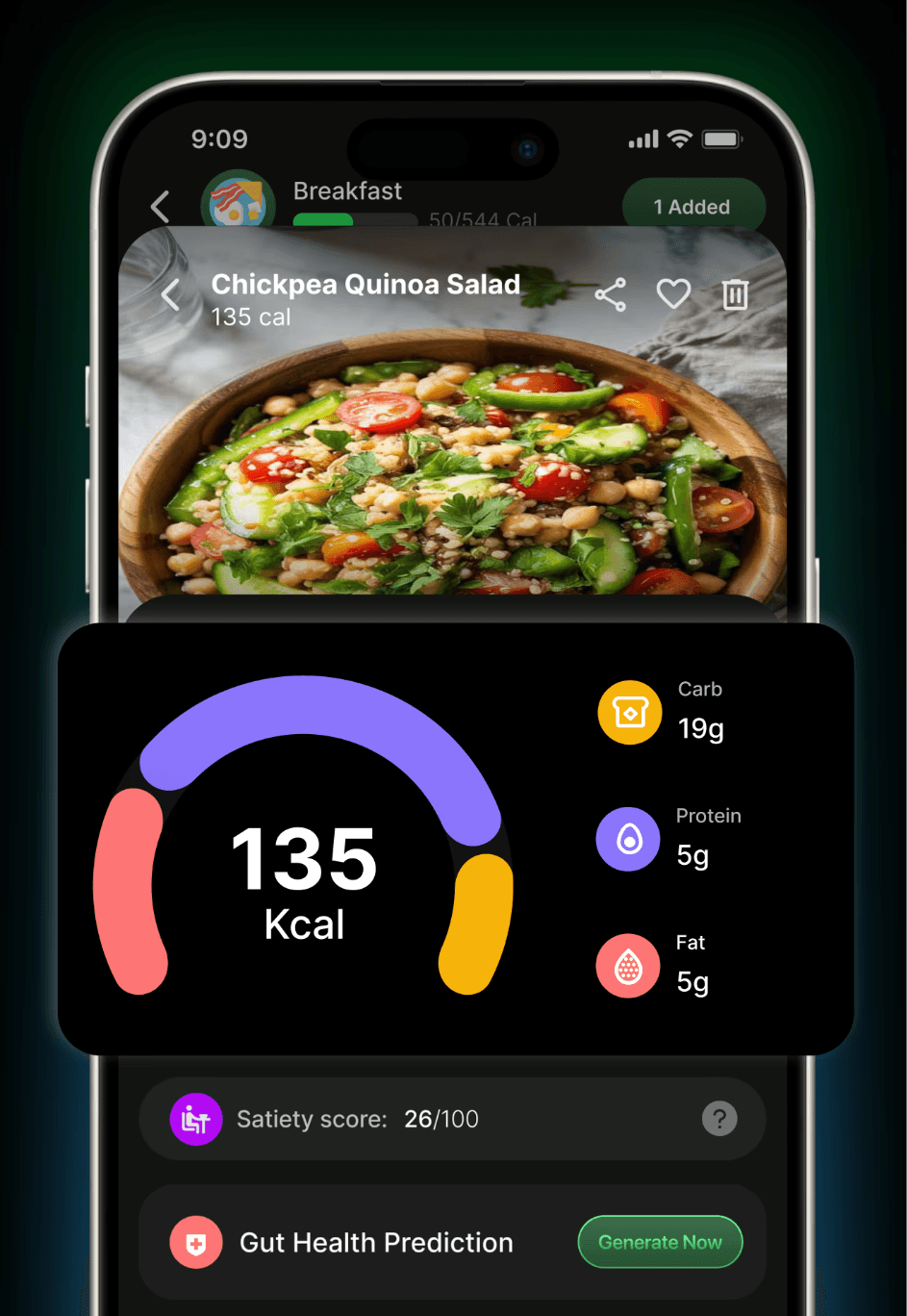
One challenge I see repeatedly is that people underestimate calorie intake and overestimate protein intake.
Using Zorest Macro's AI Meal Logger can simplify this process. You can log meals through text, voice, photos, or barcodes and instantly see calories, protein, carbs, and fats. This makes it easier to support favorable body composition changes without manually calculating every meal.
Final thoughts
Body composition provides a far better picture of health and fitness than body weight alone.
The scale tells you how much you weigh. Body composition tells you what that weight consists of.
If your goal is fat loss, muscle gain, or overall health improvement, measuring body composition can help you track meaningful progress and avoid becoming obsessed with daily scale fluctuations.
Focus on building muscle, reducing excess body fat, eating enough protein, and staying consistent. Over time, your body composition will improve—even when the scale doesn't move as quickly as you'd like.