
طبيبة مقيمة في الطب النفسي، MD، MBBS
شارك هذه القصة
Most working professionals don't struggle with weight loss because they lack knowledge.
They struggle because work gets in the way.
Long meetings. Unpredictable schedules. Business lunches. Late-night deadlines. Commutes. Stress. By the time the day ends, exercising feels impossible and ordering takeout feels inevitable.
I've worked with countless professionals who genuinely wanted to lose weight but felt trapped by their routines. The good news? You don't need a perfect schedule, a two-hour gym session, or a restrictive diet.
You need a system that works around your job—not against it.
In this guide, I'll share practical, science-backed weight loss tips specifically designed for busy professionals.

Focus on calorie balance first
Weight loss happens when you consistently consume fewer calories than you burn.
That may sound obvious, but many professionals spend months searching for the "best diet" while ignoring the one factor that actually drives fat loss.
A healthy salad can contain more calories than a burger if it's loaded with dressing, cheese, and toppings.
Instead of eliminating entire food groups, start by understanding how much you're eating.
For example:
A large café muffin can contain 400–600 calories.
A flavored coffee drink may add another 300 calories.
An afternoon snack from the office pantry could easily contribute 200 calories.
Suddenly you've consumed over 1,000 calories without eating a proper meal.
This is where tracking becomes powerful.
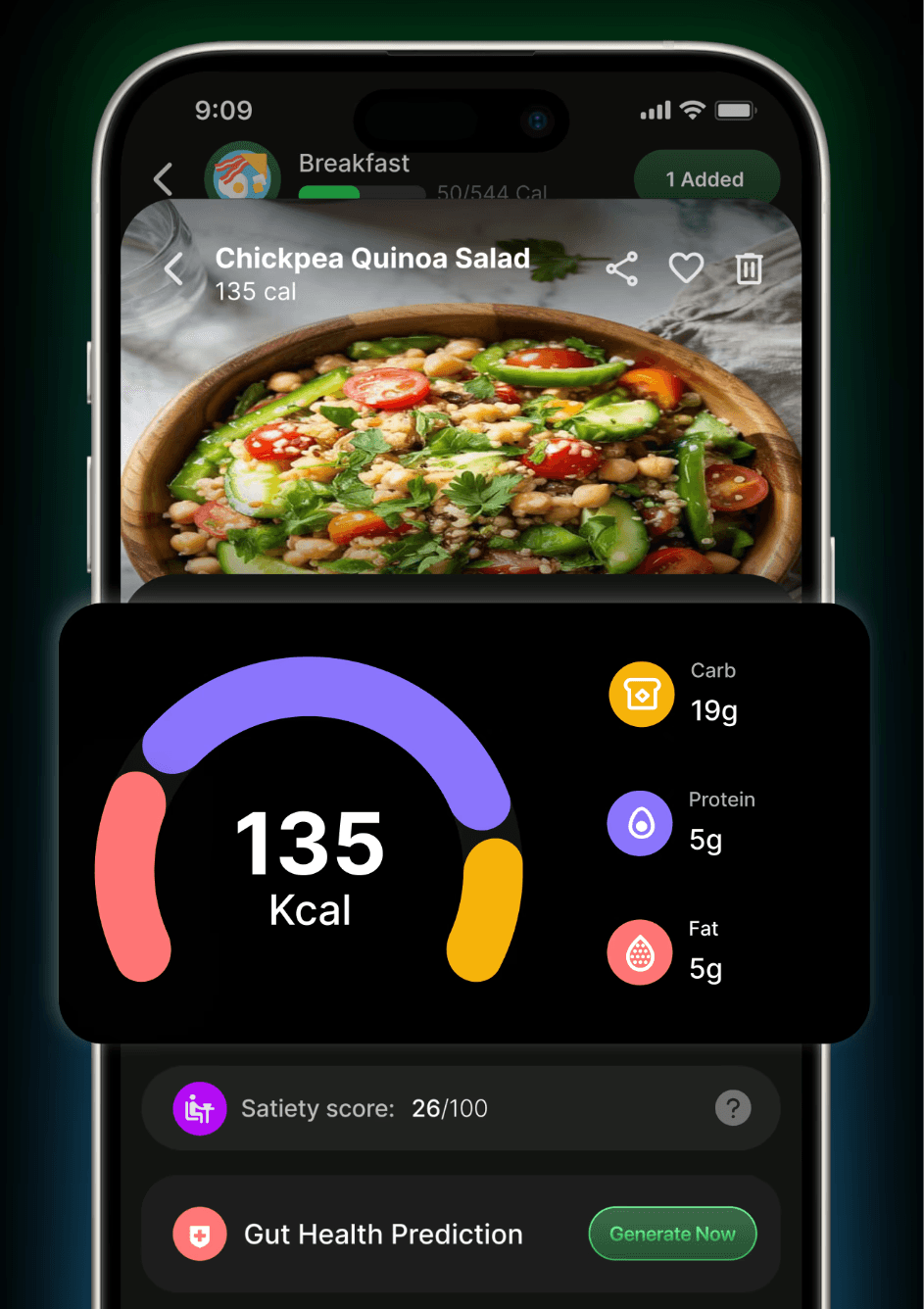
Using Zorest Macro's AI Meal Logger, you can log meals using photos, voice, text, barcodes, or food labels. Many professionals discover hidden calorie sources within a few days of tracking.
Prioritize protein at every meal
If I could give working professionals only one nutrition tip, this would be it.
Eat more protein.
Protein helps:
Increase fullness
Reduce cravings
Preserve muscle during weight loss
Support recovery and energy levels
Aim for a protein source at every meal.
Examples include:
Breakfast
Greek yogurt
Eggs
Protein smoothie
Cottage cheese
Lunch
Chicken breast
Fish
Lean beef
Tofu
Lentils
Dinner
Salmon
Turkey
Paneer
Tempeh
A simple protein-rich breakfast often prevents the 3 PM snack attack that leads to vending machine decisions.
Plan meals before the workday starts
Most unhealthy eating decisions aren't made because people lack willpower.
They're made because people are hungry and unprepared.
Think about your typical workday.
When lunch arrives and you haven't planned anything, what happens?
You grab whatever is easiest.
Usually, the easiest option is not the most weight-loss-friendly one.
I recommend spending five minutes each evening planning tomorrow's meals.
Even a rough plan dramatically improves consistency.
Many Zorest Macro users rely on the Daily Meal Planner to automatically generate personalized meal suggestions based on their goals, progress, and preferences.
That removes decision fatigue entirely.
Master restaurant and office lunches
Working professionals often eat out more than they realize.
Client meetings.
Team lunches.
Office celebrations.
Business travel.
These situations don't have to derail your progress.
Use these simple strategies:
Order protein first
Choose meals centered around:
Grilled chicken
Fish
Lean meats
Beans
Tofu
Request modifications
Ask for:
Dressing on the side
Extra vegetables
Smaller portions
Grilled instead of fried options
Eat slowly
Most people finish meals before their brain has registered fullness.
Slowing down naturally reduces calorie intake.
Avoid drinking your calories
Sodas, sweetened coffees, and cocktails can add hundreds of calories without making you feel full.
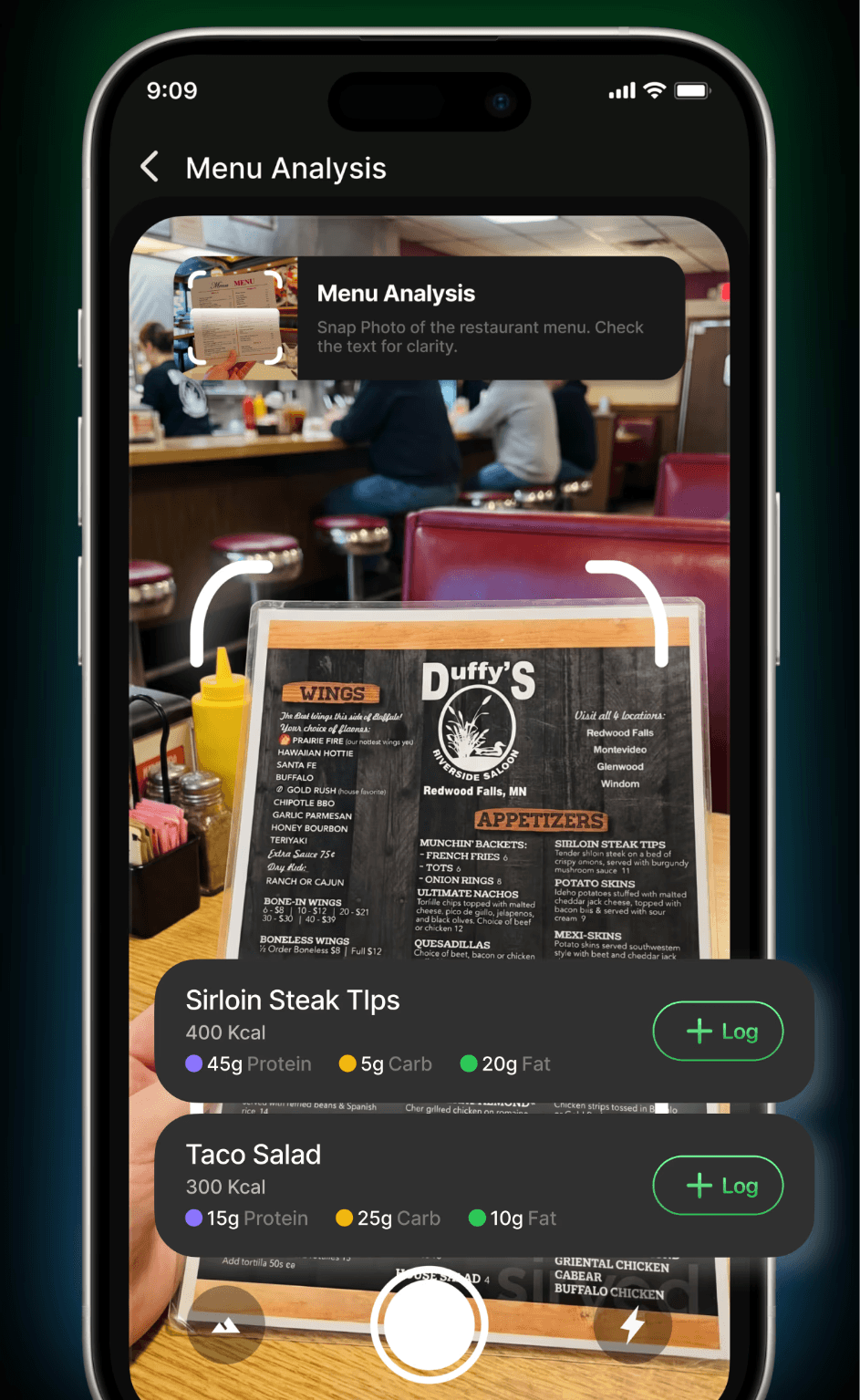
If you're unsure about a restaurant meal, Zorest Macro's Restaurant Menu Analyzer can estimate calories and macros from menu photos, helping you make more informed choices.
Increase daily movement without finding extra time
One mistake professionals make is assuming weight loss requires a gym membership.
Exercise helps.
But daily movement matters too.
This concept is called NEAT (Non-Exercise Activity Thermogenesis), which refers to calories burned through everyday movement.
Examples include:
Taking stairs
Walking during calls
Parking farther away
Walking to a colleague instead of messaging
Standing during meetings
These small activities can collectively burn hundreds of extra calories per day.
One executive I worked with started taking 10-minute walks after lunch and dinner.
Without changing his workouts, he increased daily activity enough to lose nearly 10 pounds over several months.
Manage workplace stress
Stress and weight gain often go hand in hand.
When deadlines pile up, many people:
Snack mindlessly
Skip workouts
Sleep poorly
Crave high-calorie comfort foods
This isn't a lack of discipline.
It's biology.
Stress can increase hunger hormones and reduce self-control.
Some practical stress-management tools include:
Walking breaks
Deep breathing exercises
Meditation apps
Journaling
Short stretching sessions
Even five minutes can make a difference.
Protect your sleep
Sleep is the most underrated weight loss tool.
Professionals often sacrifice sleep to get more work done.
Unfortunately, poor sleep makes weight loss significantly harder.
Research consistently shows that sleep deprivation can:
Increase hunger
Increase cravings
Reduce energy expenditure
Impair decision-making
Aim for:
7–9 hours per night
Consistent sleep and wake times
Reduced screen exposure before bed
Think of sleep as recovery for your metabolism.
Stop relying on motivation
Motivation is unreliable.
Systems are reliable.
Successful professionals understand this in business.
The same principle applies to weight loss.
Create habits that happen automatically:
Pack lunch the night before.
Keep healthy snacks at work.
Schedule workouts in your calendar.
Track meals daily.
Prepare breakfasts ahead of time.
The fewer decisions you need to make, the easier weight loss becomes.
Build a sustainable routine
The best weight loss plan is the one you can follow during:
Busy seasons
Travel weeks
Stressful projects
Family commitments
You don't need perfection.
You need consistency.
A sustainable routine might look like:
Protein-rich meals
Three strength-training sessions weekly
8,000–10,000 daily steps
Consistent meal tracking
Adequate sleep
These habits may seem simple.
But simple habits practiced consistently outperform extreme diets every time.
Common mistakes working professionals make
Skipping meals
Skipping breakfast often leads to overeating later.
Saving calories for dinner
Many professionals eat very little all day and then consume most of their calories at night.
Weekend overeating
Five good weekdays can be undone by excessive weekend eating.
Depending on exercise alone
It's much easier to avoid 500 calories than burn 500 calories.
Chasing quick fixes
Detoxes, fat burners, and crash diets rarely create lasting results.
Focus on fundamentals instead.
Final thoughts
Weight loss as a working professional is challenging, but it's far from impossible.
The key is designing a strategy that fits your career rather than trying to force your career around a diet.
Start small:
Track your food.
Prioritize protein.
Move more during the day.
Sleep better.
Plan meals ahead.
Do these consistently for a few months and you'll likely see better results than someone following an extreme diet for a few weeks.
Remember: successful weight loss isn't about finding more time. It's about making smarter use of the time you already have.