
طبيبة مقيمة في الطب النفسي، MD، MBBS
شارك هذه القصة
Most people don't struggle with weight loss because they lack motivation. They struggle because hunger shows up before results do.
That's why weight loss smoothies have become popular. They're quick, convenient, and can help create a calorie deficit without feeling like you're eating "diet food."
But here's the catch: many smoothies marketed for weight loss contain more calories than a cheeseburger.
Let's look at what makes a smoothie effective for fat loss, the ingredients that actually help, and how to avoid turning your healthy drink into a liquid dessert.

What is a weight loss smoothie?
A weight loss smoothie is a blended drink designed to help reduce overall calorie intake while keeping you full and satisfied.
The best weight loss smoothies focus on three things:
High protein
High fiber
Controlled calories
A smoothie isn't magical. It won't burn fat on its own.
What it can do is make it easier to maintain a calorie deficit by replacing a higher-calorie meal or preventing hunger-driven snacking later in the day.
Think of it as a tool, not a shortcut.
Why some smoothies help with weight loss
The biggest advantage of a well-designed smoothie is satiety.
When I first started tracking nutrition seriously, I noticed that breakfast was often my calorie trap. A bagel and coffee would leave me hungry two hours later.
Switching to a protein-rich smoothie made a noticeable difference because it contained nutrients that slow digestion and increase fullness.
Protein reduces hunger
Protein is the most filling macronutrient.
Research consistently shows that higher-protein diets help reduce appetite and preserve muscle mass during weight loss.
Good smoothie protein sources include:
Greek yogurt
Whey protein
Casein protein
Soy protein
Cottage cheese
Silken tofu
Aim for at least 20-30 grams of protein per smoothie.
Fiber slows digestion
Fiber helps food stay in your digestive system longer.
This means:
Less hunger
Better blood sugar control
More stable energy
Excellent smoothie fiber sources include:
Chia seeds
Flax seeds
Oats
Berries
Spinach
Kale
Volume creates fullness
Water-rich foods take up space in your stomach without adding many calories.
Ingredients like:
Frozen berries
Ice
Cucumber
Spinach
Zucchini
can dramatically increase smoothie volume while keeping calories low.
Ingredients that make the best weight loss smoothies
Bottom line: every effective weight loss smoothie contains a protein source, a fiber source, and a controlled amount of carbohydrates and fats.
Protein sources
Best options:
Whey protein isolate
Greek yogurt
Cottage cheese
Soy protein powder
Pea protein powder
These provide muscle-preserving protein without excessive calories.
Fiber sources
Best options:
Chia seeds
Ground flaxseed
Rolled oats
Raspberries
Blackberries
Even one tablespoon of chia seeds can significantly increase fiber intake.
Low-calorie fruits
Many people assume all fruits are equally calorie-dense.
For weight loss smoothies, prioritize:
Strawberries
Raspberries
Blackberries
Blueberries
These provide sweetness while keeping calories manageable.
Vegetables
The easiest nutrition upgrade most people overlook.
Try adding:
Spinach
Kale
Frozen cauliflower
Cucumber
Zucchini
Most are nearly tasteless when blended with fruit.
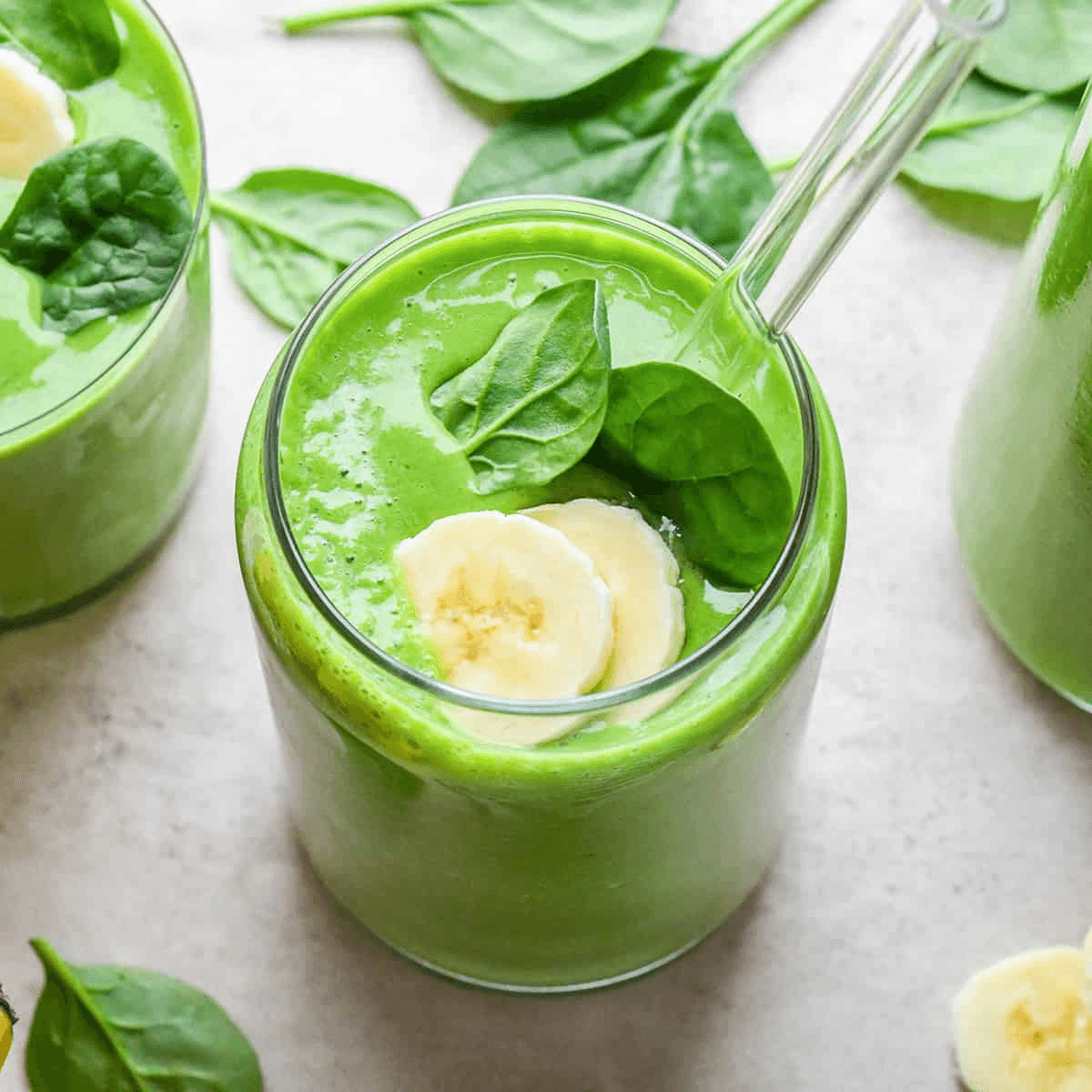
Ingredients that secretly sabotage weight loss
Many smoothies become calorie bombs because healthy ingredients can still be calorie-dense.
Some common examples:
Nut butters
Peanut butter is nutritious.
But two tablespoons contain roughly 190 calories.
Four tablespoons can quietly add almost 400 calories.
Fruit juice
Orange juice and apple juice add sugar without much fiber.
Whole fruit is usually a better option.
Honey and maple syrup
Natural doesn't mean calorie-free.
One tablespoon of honey contains about 64 calories.
Large servings of nuts
Healthy fats are beneficial, but they're also calorie-dense.
Measure carefully instead of pouring freely.
5 weight loss smoothie recipes
1. High-protein berry smoothie
Ingredients:
1 scoop whey protein
1 cup frozen mixed berries
½ cup Greek yogurt
1 cup unsweetened almond milk
Ice
Nutrition:
Approximately 280 calories
30g protein
2. Green fat-loss smoothie
Ingredients:
2 cups spinach
1 scoop vanilla protein
½ banana
1 tablespoon chia seeds
Water and ice
Nutrition:
Approximately 250 calories
25g protein
3. Coffee breakfast smoothie
Ingredients:
Cold brew coffee
Chocolate protein powder
Greek yogurt
Ice
Nutrition:
Approximately 220 calories
28g protein
4. Tropical protein smoothie
Ingredients:
Frozen mango
Pineapple chunks
Vanilla protein powder
Coconut water
Nutrition:
Approximately 300 calories
25g protein
5. Chocolate peanut butter smoothie
Ingredients:
Chocolate protein powder
1 tablespoon peanut butter
Unsweetened almond milk
Ice
Nutrition:
Approximately 290 calories
30g protein
Can smoothies replace meals?
Yes, but only if they contain enough protein and nutrients.
A smoothie made from fruit alone is usually a snack, not a meal.
A meal replacement smoothie should contain:
25-40g protein
Fiber-rich ingredients
Healthy fats
Vitamins and minerals
The goal is to stay full for several hours.
If you're hungry within 60 minutes, your smoothie probably lacks protein.
The biggest mistake people make with weight loss smoothies
The most common mistake is assuming healthy equals low-calorie.
I've seen smoothies containing:
Banana
Peanut butter
Oats
Honey
Dates
Whole milk
That combination can exceed 800 calories.
At that point, the smoothie isn't helping create a calorie deficit.
It's simply a liquid meal that may contain more calories than the meal it replaced.
Track ingredients carefully, especially calorie-dense additions.
How to know if your smoothie supports your weight-loss goal
You don't need to guess.
Calculate:
Total calories
Protein
Fiber
Portion size
This is where nutrition tracking becomes valuable.
Using Zorest Macro's AI Meal Logger, you can log a smoothie using text, voice, or even a photo. The app instantly estimates calories, protein, carbs, and fats, making it easier to see whether your smoothie supports your calorie deficit or quietly exceeds it. The Food Search feature also lets you compare ingredients before blending so you can make smarter substitutions.
Are weight loss smoothies necessary?
No.
You can lose weight without ever drinking a smoothie.
However, smoothies can be useful if:
You have limited time
You struggle to eat enough protein
You want a convenient breakfast
You find them more satisfying than other options
The best diet is the one you can consistently follow.
For some people that's smoothies.
For others it's eggs, oatmeal, or leftovers from dinner.
Final thoughts
Weight loss smoothies work when they help you eat fewer calories while staying full.
The formula is simple:
Prioritize protein.
Add fiber.
Control calories.
Avoid unnecessary sugars.
Smoothies won't magically melt fat, but they can make a calorie deficit easier to maintain.
And when weight loss becomes easier to maintain, results usually follow.