
طبيبة مقيمة في الطب النفسي، MD، MBBS
شارك هذه القصة
Most people judge body fat by what they can see in the mirror. But the most dangerous fat is often the one you can’t see.
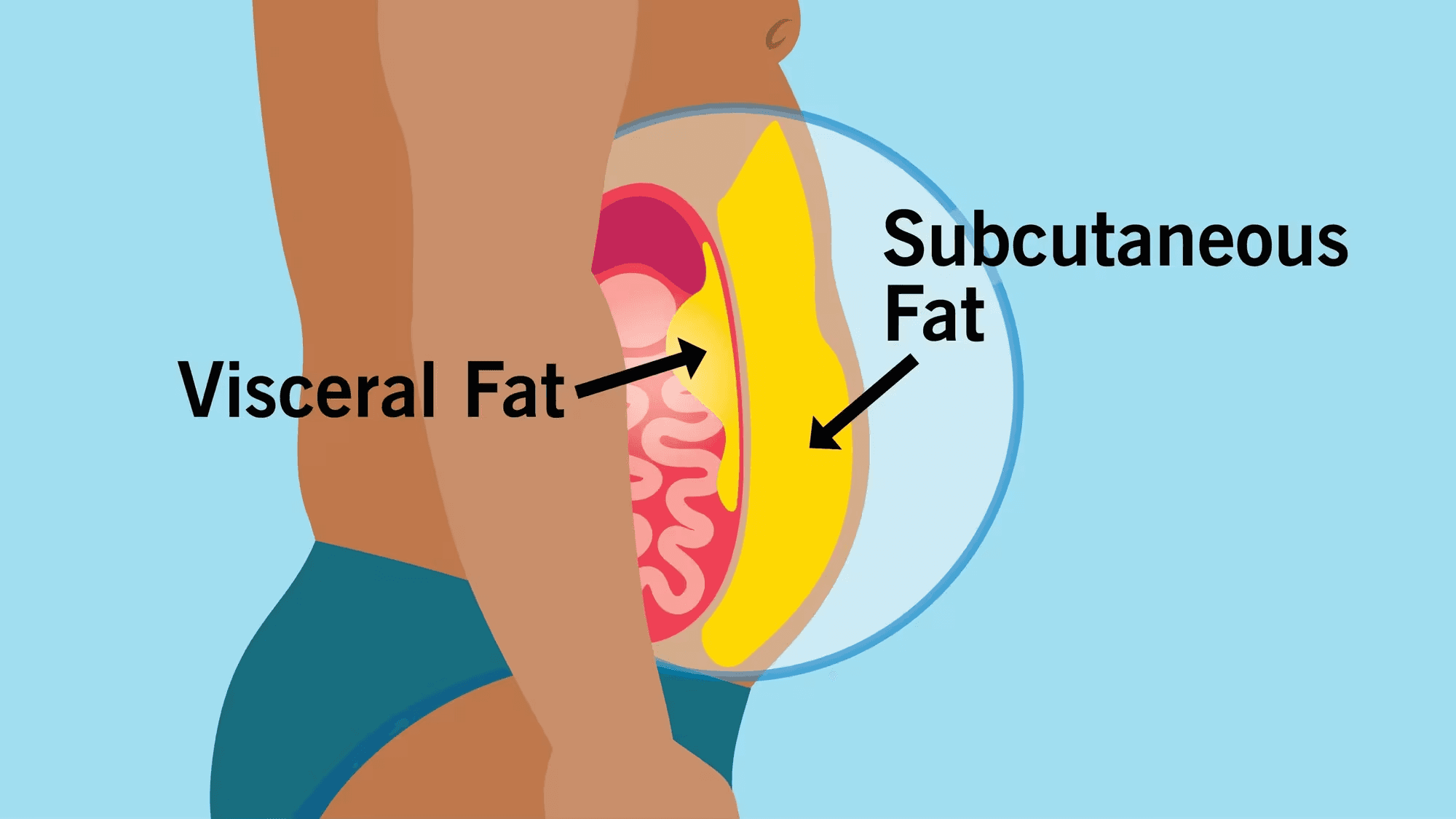
Visceral fat is the fat stored deep inside your abdomen, wrapped around organs like your liver, pancreas, and intestines. Unlike subcutaneous fat the soft fat under your skin visceral fat is metabolically active. That means it can directly affect your hormones, blood sugar, inflammation, and long-term health.
TL;DR
Visceral fat is the deep abdominal fat surrounding internal organs.
High visceral fat increases the risk of type 2 diabetes, heart disease, fatty liver, and insulin resistance.
You can have high visceral fat even if you don’t look overweight.
The fastest ways to reduce visceral fat are:
Eating in a calorie deficit
Increasing daily movement
Prioritizing protein and fiber
Sleeping properly
Managing stress consistently
Tracking food intake helps because visceral fat responds strongly to overall calorie balance and lifestyle habits.
What is visceral fat?
Visceral fat is stored inside the abdominal cavity. Your body keeps a small amount for protection and energy storage, but excess visceral fat becomes a problem quickly.
Research shows visceral fat releases inflammatory chemicals and hormones that can interfere with insulin sensitivity and cardiovascular health.
One reason visceral fat is tricky is that it doesn’t always show up visually. I’ve seen people with a “normal” body weight still struggle with high blood sugar, elevated triglycerides, and fatty liver because most of their fat storage was visceral rather than subcutaneous.
Why visceral fat matters
The biggest issue with visceral fat is its connection to chronic disease.
Higher visceral fat levels are linked to:
Type 2 diabetes
High blood pressure
Heart disease
Sleep apnea
Fatty liver disease
Increased inflammation
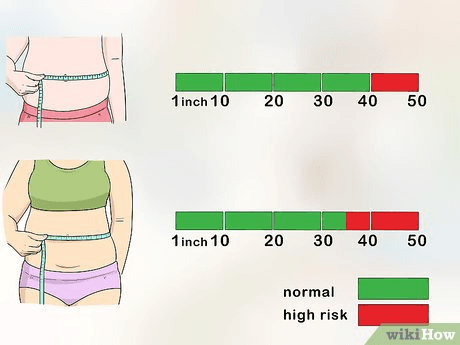
Waist circumference is often a better health marker than body weight alone. Someone can lose weight without significantly improving health markers if muscle loss is too high. But reducing visceral fat usually improves metabolic health fast.
How to reduce visceral fat
The good news: visceral fat responds well to lifestyle changes.
Eat in a sustainable calorie deficit
Fat loss still comes down to energy balance. If you consistently eat fewer calories than you burn, your body starts using stored fat for energy — including visceral fat.
Crash dieting usually backfires because it increases hunger and muscle loss.
Prioritize protein and fiber
Protein helps preserve muscle during fat loss and keeps you fuller longer. Fiber improves digestion and appetite control.
Simple upgrades work surprisingly well:
Greek yogurt instead of sugary cereal
Eggs instead of pastries
Rice with vegetables and lean protein instead of ultra-processed fast food
Walk more than you think you need
People underestimate how effective walking is for reducing visceral fat.
A daily 30 - 45 minute walk improves insulin sensitivity, burns calories, and reduces stress simultaneously. It’s boring advice, but it works.
Sleep properly
Poor sleep increases hunger hormones and cravings. Even one week of sleep deprivation can worsen insulin sensitivity.
Most adults need 7-9 hours consistently.
Where tracking helps
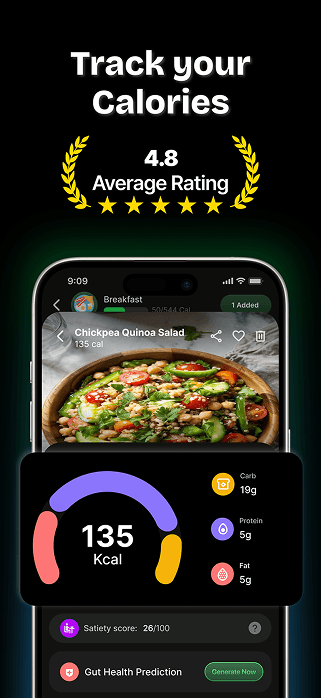
Most people don’t realize how easy it is to overeat calorie-dense foods until they track intake for a few days.
Using Zorest Macro’s AI Meal Logger, you can log meals with text, voice, or photos and instantly see your calorie and macro intake. That makes it easier to spot patterns that contribute to visceral fat gain especially hidden liquid calories, oversized portions, and low protein intake.
Final thoughts
Visceral fat is dangerous precisely because it’s invisible. You don’t need to chase perfection or extreme diets to reduce it. Small habits done consistently — better food choices, more movement, proper sleep, and calorie awareness — make a massive difference over time.
The goal isn’t just looking leaner. It’s building a body that functions better internally.