
طبيبة مقيمة في الطب النفسي، MD، MBBS
شارك هذه القصة
Many people considering a vegan diet have the same concern:
"Where will I get my protein?"
It's a fair question. Protein is essential for building muscle, repairing tissues, supporting immunity, and keeping you full between meals. The good news is that getting enough protein on a vegan diet is much easier than most people think.
I've worked with many people who assumed they'd need expensive supplements or protein powders after going plant-based. In reality, most were already surrounded by excellent protein sources—they just didn't know where to look.
In this guide, I'll walk you through the best vegan protein sources, how much protein you actually need, and simple ways to build protein-rich vegan meals.
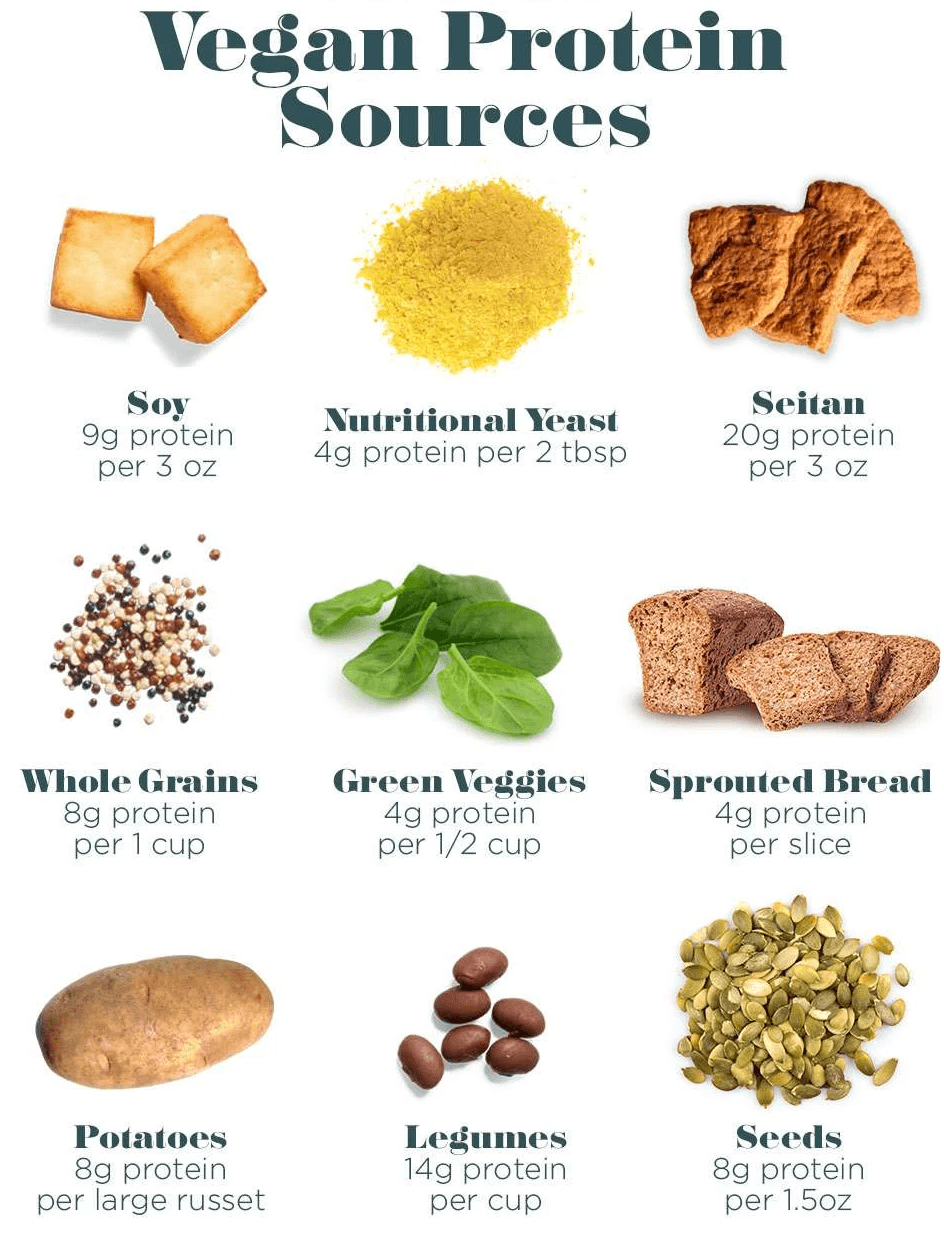
What is protein, and why does it matter?
Protein is a nutrient made up of amino acids, often called the building blocks of the body.
Your body uses protein to:
Build and maintain muscle
Repair tissues
Produce hormones and enzymes
Support immune function
Promote satiety after meals
Contrary to popular belief, protein isn't exclusive to meat. Many plant foods provide substantial amounts of protein and can easily meet your daily requirements when consumed as part of a balanced diet.
How much protein do vegans need?
The short answer:
Most adults need approximately 0.8 grams of protein per kilogram of body weight per day, although active individuals, athletes, and those trying to build muscle often benefit from higher intakes.
For example:
Body Weight | Daily Protein Target |
60 kg (132 lbs) | 48–72 g |
70 kg (154 lbs) | 56–84 g |
80 kg (176 lbs) | 64–96 g |
If your goal is fat loss while preserving muscle, aiming toward the higher end of the range is often beneficial.
Start with legumes
Legumes are the foundation of most high-protein vegan diets.
They are affordable, versatile, and packed with both protein and fiber.
Common examples include:
Lentils
Chickpeas
Black beans
Kidney beans
Pinto beans
Peas
A cooked cup of most beans provides roughly 15 grams of protein, while lentils can provide around 18 grams per cup.
Easy ways to eat more legumes
Add lentils to soups
Make chickpea curry
Toss black beans into salads
Blend hummus as a snack
Add beans to burritos and wraps
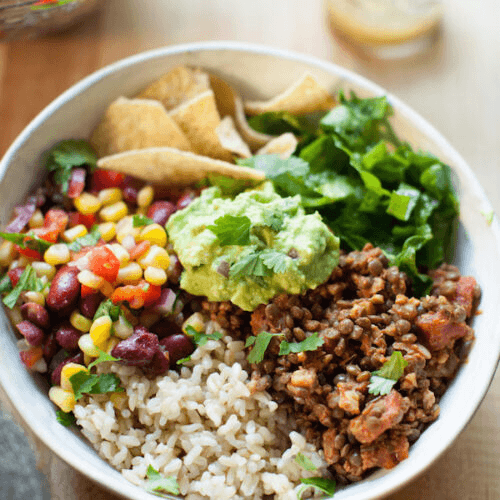
Use soy foods as protein powerhouses
If there's one vegan food group that consistently surprises beginners, it's soy.
Soy-based foods are considered complete proteins because they provide all essential amino acids.
Tofu
Tofu is one of the easiest protein-rich foods to add to your diet.
Depending on the variety, it provides roughly 9–22 grams of protein per serving and works in stir-fries, curries, salads, and even smoothies.
Tempeh
Tempeh is made from fermented soybeans and contains even more protein than tofu.
A serving can provide over 19 grams of protein per 100 grams while also delivering beneficial nutrients and fiber.
Edamame
These young soybeans make an easy snack and provide approximately 11 grams of protein per 100 grams.
Don't overlook nuts and seeds
Many people think of nuts and seeds as healthy fats, but they also contribute meaningful amounts of protein.
Some excellent choices include:
Hemp seeds
Chia seeds
Pumpkin seeds
Almonds
Walnuts
Peanut butter
Hemp seeds are particularly impressive, containing around 30 grams of protein per 100 grams. Pumpkin seeds, chia seeds, and almonds also provide substantial protein while delivering minerals and healthy fats.
Easy additions
Sprinkle hemp seeds on oatmeal
Add chia seeds to smoothies
Snack on almonds
Mix pumpkin seeds into salads
Include high-protein grains
Grains aren't usually the first foods people associate with protein, but some are surprisingly protein-rich.
Quinoa
Quinoa is a complete protein and provides around 8 grams per cooked cup.
Oats
Oats provide roughly 7 grams of protein per cooked cup and make an excellent breakfast base.
Other options
Buckwheat
Amaranth
Sorghum
Whole wheat products
Combining grains with legumes also improves overall amino acid balance.
Try specialized vegan protein foods
Once you're comfortable with the basics, you can explore higher-protein options.
Seitan
Seitan, often called wheat meat, contains approximately 25 grams of protein per 100 grams, making it one of the most protein-dense vegan foods available.
Nutritional yeast
Nutritional yeast adds a cheesy flavor to foods while contributing protein and B vitamins. Some varieties contain exceptionally high protein concentrations.
Plant-based meat alternatives
Modern plant-based meats can help increase protein intake while making the transition to vegan eating easier.
Do you need to combine proteins at every meal?
No.
This is one of the biggest myths surrounding vegan nutrition.
Older advice suggested that vegans needed to carefully combine foods like rice and beans at every meal to obtain complete proteins.
Current evidence shows that consuming a variety of plant foods throughout the day is generally sufficient to provide all essential amino acids.
So instead of stressing over combinations, focus on variety.
Sample high-protein vegan day
Here's an example of how easy it can be to hit protein targets.
Breakfast
Oatmeal with soy milk, chia seeds, and peanut butter
Protein: ~20g
Lunch
Lentil and quinoa bowl with vegetables
Protein: ~25g
Snack
Edamame and almonds
Protein: ~15g
Dinner
Tofu stir-fry with brown rice and vegetables
Protein: ~30g
Total: ~90g protein
For most adults, that's more than enough.
Make protein tracking easier
One challenge many new vegans face is simply knowing whether they're eating enough protein.
This is where tracking can help.
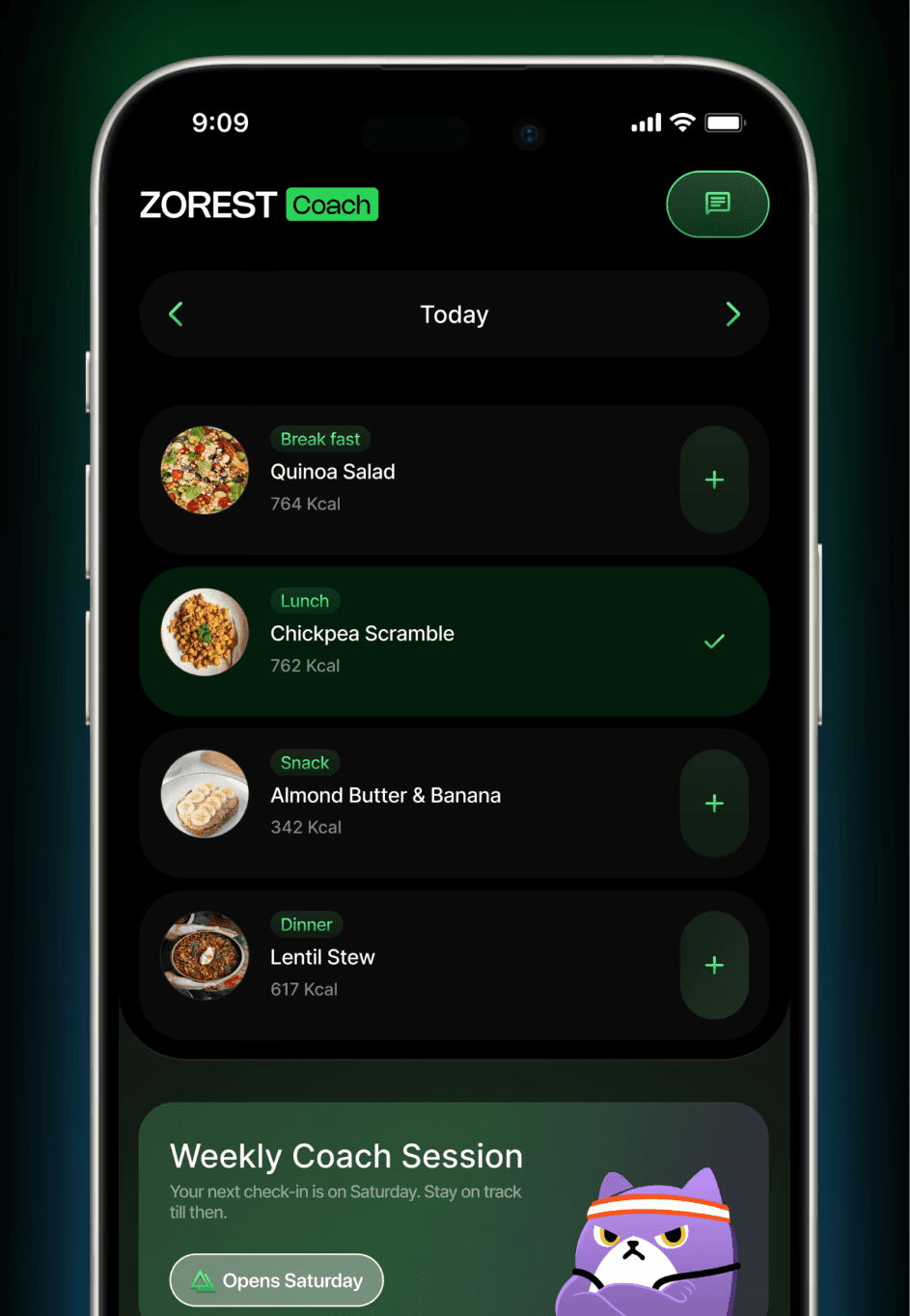
Using Zorest Macro's AI Meal Logger, you can log meals using a photo, text, voice, or barcode and instantly see your protein, carbs, and fats. This makes it much easier to identify gaps in your diet without manually calculating every meal. If you're transitioning to a vegan lifestyle, the app can also help you discover which meals consistently meet your protein goals.
Common mistakes vegan beginners make
Relying only on vegetables
Vegetables are healthy but generally not concentrated protein sources.
Avoiding soy because of myths
Research consistently shows that minimally processed soy foods like tofu and tempeh are safe and nutritious for most people.
Eating too little overall
Sometimes low protein intake is simply a result of not eating enough calories.
Skipping variety
Different plant foods provide different nutrients. A varied diet is usually the best approach.
Final thoughts
Getting enough protein on a vegan diet is far easier than most beginners expect.
Start with legumes, soy foods, nuts, seeds, and whole grains. Build meals around these staples, eat a variety of foods, and focus on consistency rather than perfection.
Most importantly, don't let protein anxiety stop you from exploring a plant-based lifestyle. With a little planning, you can meet your protein needs, support muscle growth, and enjoy a wide variety of delicious foods.