
طبيبة مقيمة في الطب النفسي، MD، MBBS
شارك هذه القصة
Introduction
You're eating what you think is a "high-protein" breakfast, snack, or meal replacement. The influencers praised it. The label promised it. But here's what actually happened: you consumed 40% more calories than you needed for the same amount of protein.
Not all protein sources are created equal. Some are calorie bombs disguised as health food. Others contain more sugar than dessert. A few are so processed, they barely register as actual nutrition. If you're trying to lose fat, build muscle, or simply eat smarter, you're probably eating at least one of these "protein-rich" foods regularly—and it's silently sabotaging your progress.
This isn't about shame or perfectionism. It's about understanding what the data actually says versus what the marketing machine wants you to believe. Because when you know the real numbers, you can make smarter choices without feeling deprived.
1. Granola and Protein Bars: The Marketing Mirage
Let's start with something people eat for breakfast thinking they're making a smart choice.
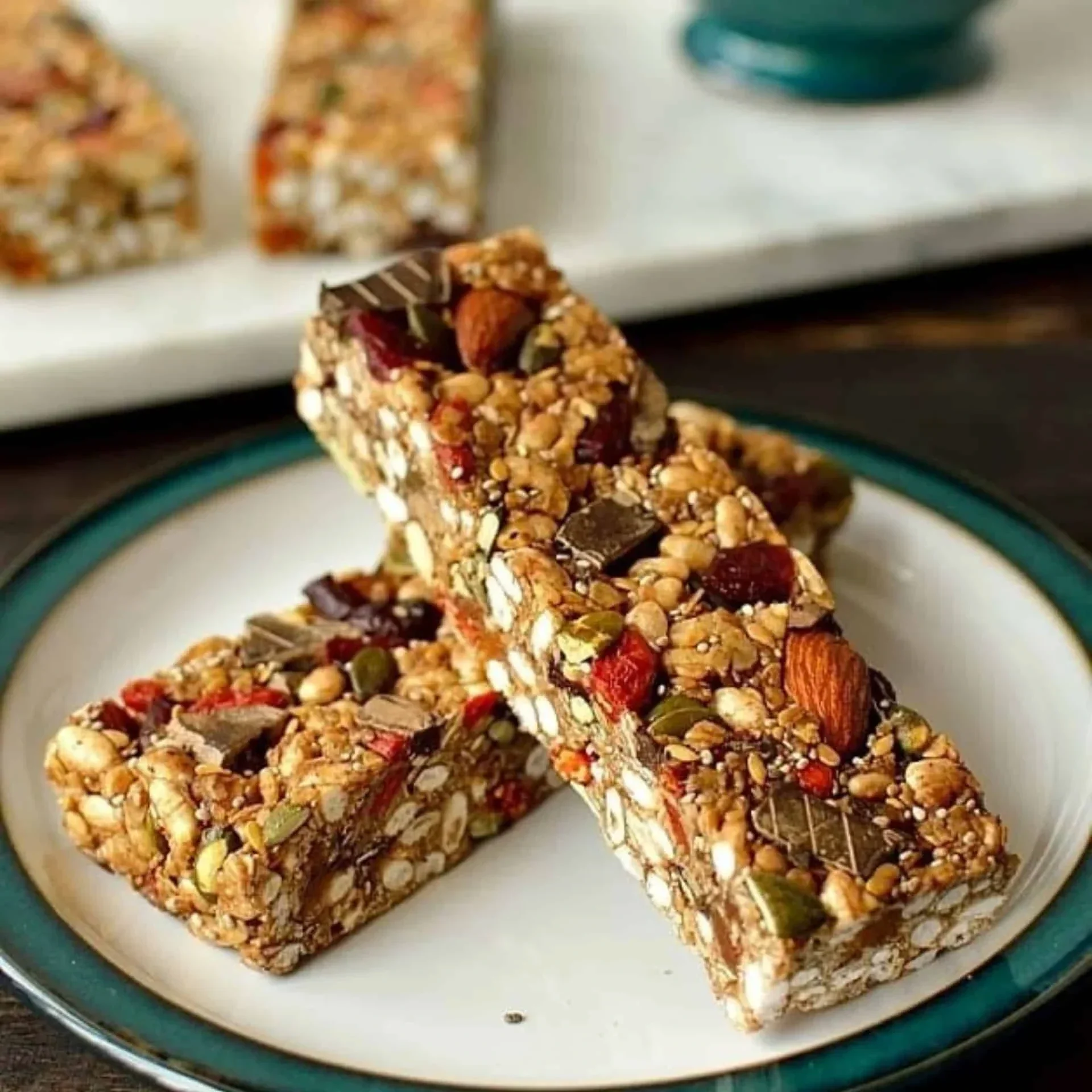
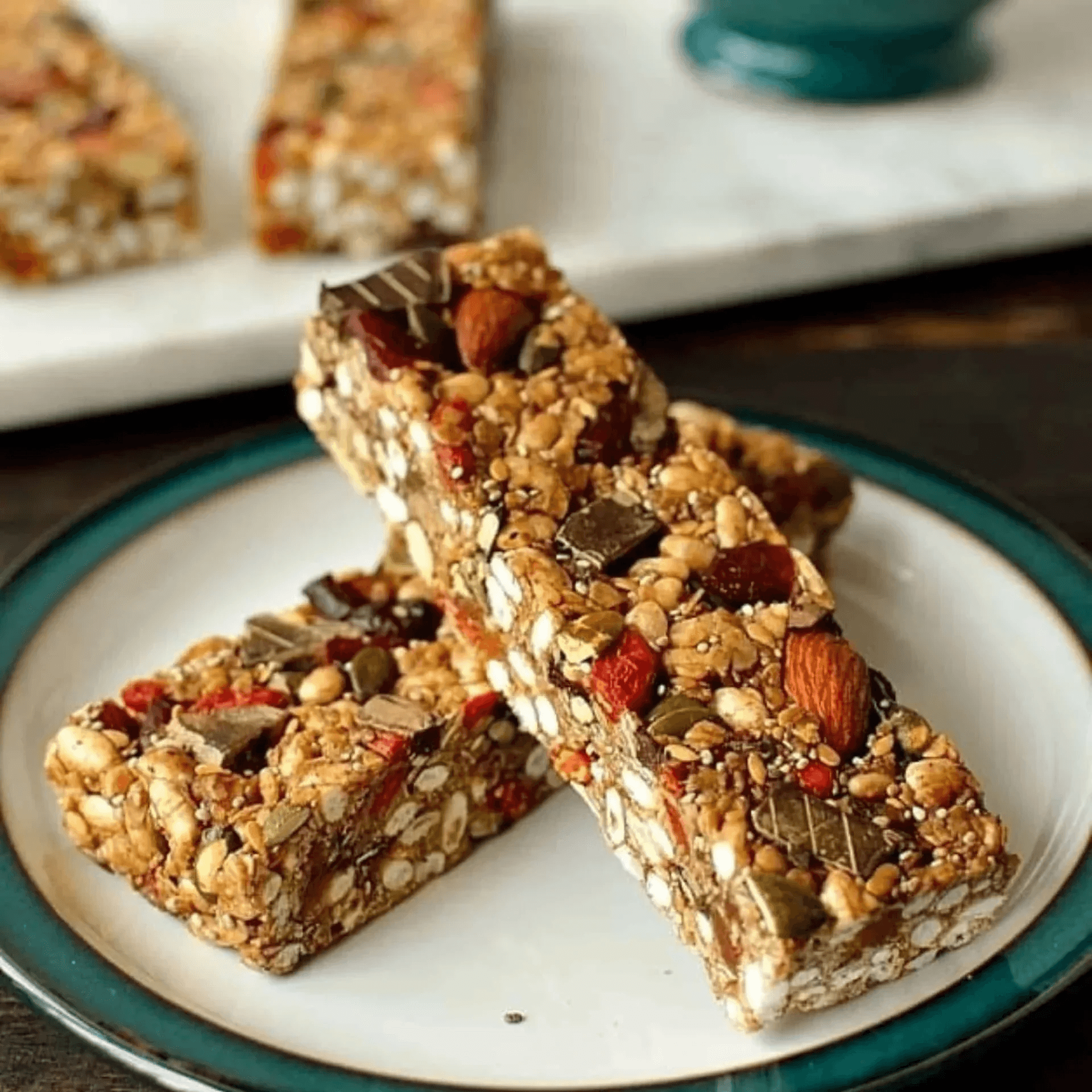
One cup of granola contains roughly 600 calories and 12-15 grams of protein. Do the math: you're spending 40-50 calories for every gram of protein. Compare that to a whole egg (70 calories, 6g protein = 12 calories per gram). You're paying a 300-400% calorie premium for subpar protein density.
Most protein bars aren't better. They clock in at 250-300 calories for 20 grams of protein—that's 12-15 calories per gram. Better than granola, sure, but still a poor trade compared to actual food. A whole egg, a Greek yogurt, a piece of chicken—these all outperform bars on the calorie-to-protein scale.
The real problem isn't the math. It's what happens after you eat it. Granola looks wholesome (oats, honey, nuts), but manufacturers load it with sugar and vegetable oils to make it taste good enough to sell. When you eat a bowl, those 600 calories hit your digestive system all at once—often from a food that doesn't trigger satiety the way solid protein does.
Protein bars follow the exact same playbook. Marketed as "nutrition," they're essentially candy bars with extra protein powder mixed in. The calories add up fast. In a deficit, these bars quietly derail progress because they feel like you're "being good" when you're actually just eating expensive dessert.
The better move: Ditch the granola entirely. Swap it for plain oats (150 calories, 5g protein) topped with full-fat Greek yogurt (100 calories, 15g protein) and berries (50 calories, 1g protein). Total: 300 calories, 21 grams of protein—and you'll stay fuller for 3+ hours. For on-the-go snacking, hard-boiled eggs, beef jerky, or a handful of almonds outperform bars every time.
2. Low-Fat Yogurt: Sugar's Sneaky Replacement
This one hits different because the deception is built directly into the branding.
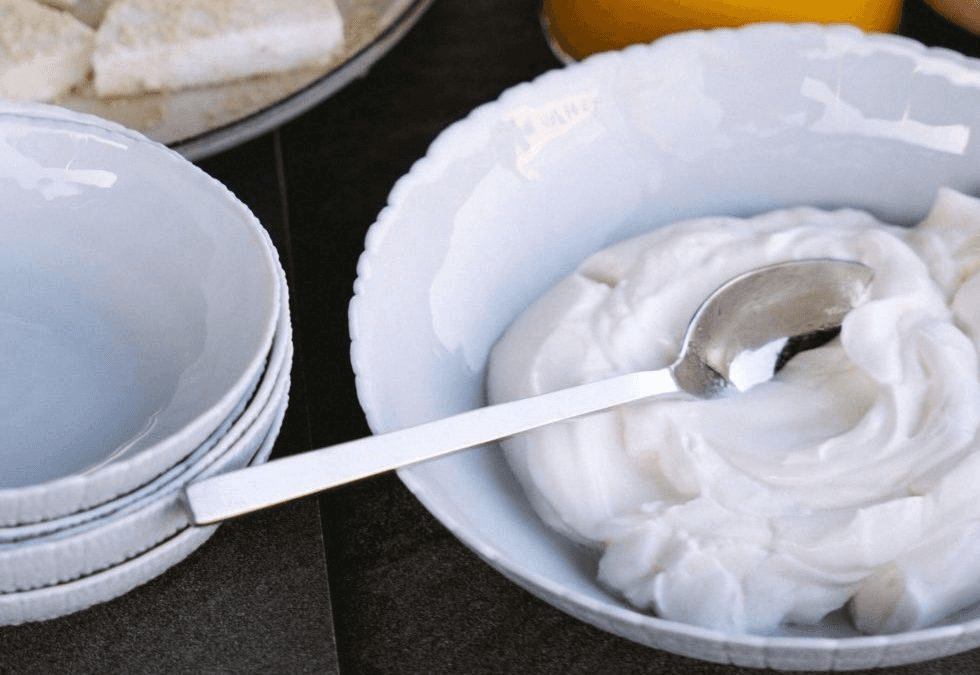
Low-fat yogurt became a health icon in the 1990s. The logic seemed sound: fat = bad, so remove fat = good. But here's what actually happened: manufacturers removed fat and added sugar to keep the product palatable. A lot of sugar.
A typical serving of low-fat vanilla yogurt contains 15-25 grams of added sugar. Some brands go to 30 grams. That's nearly a full can of soda. Meanwhile, the protein? Unchanged. Still 10-15 grams per serving. You didn't improve your protein-to-calorie ratio. You just swapped fat (satiety-inducing) for sugar (hunger-escalating).
Biochemistry matters here. Full-fat yogurt triggers satiety through fat content and slows stomach emptying. Your blood sugar stays stable. Low-fat yogurt spikes your glucose, crashes 90 minutes later, and leaves you craving more food. The protein count is the same, but the metabolic effect is completely different.
I spent three years buying low-fat Greek yogurt, convinced I was being disciplined. Then I actually started reading nutrition labels. Switched to full-fat, unsweetened Skyr, an Icelandic yogurt with 20g protein, 5g carbs, and zero added sugar. Within two weeks, my hunger levels dropped. My afternoon cravings disappeared. My energy stabilized.
That wasn't a placebo. That was the difference between refined sugar and whole-food nutrition.
The better move: Buy plain, full-fat Greek yogurt or Skyr and control your sweetness. Plain full-fat Greek yogurt (100 calories, 18g protein, 1g sugar) + fresh berries (50 calories) + a drizzle of raw honey (60 calories) = 210 calories, 18g protein, and actual satiety. Compare that to flavored low-fat yogurt (170 calories, 15g protein, 20g sugar), and you save calories while staying fuller longer.
3. Chicken Breast from Fast Food: The Sodium and Oil Problem
Chicken breast is one of the leanest, most protein-dense foods on earth. It's the gold standard for body recomposition.
Until you buy it from a fast-food chain.
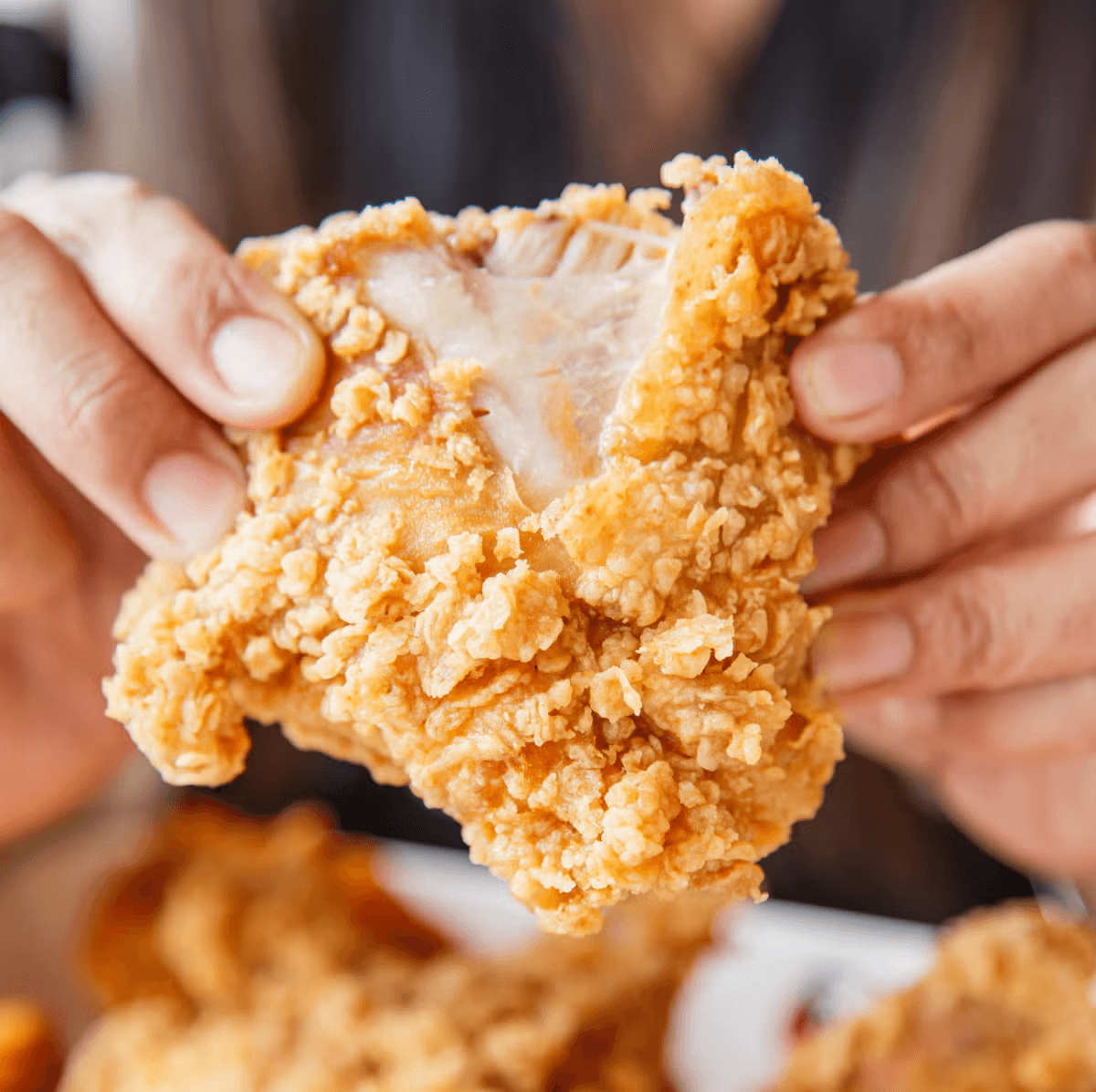
Fast-food "grilled" chicken is rarely what it claims to be. Most chains brine their chicken to keep it moist through high-volume cooking. This adds sodium—often 600-800mg per 4 oz serving (versus 75mg for homemade). Some restaurants bread and fry their chicken despite calling it "grilled." Others cook it in so much oil that a 140-calorie piece of chicken becomes 280 calories.
I learned this the hard way. I'd grab a "grilled" chicken breast from a popular chain, thinking I was nailing my macros. Turns out, they were adding 200+ hidden calories through oil and sodium. The sodium alone caused water retention that made me think I wasn't losing fat when I actually was.
A medium homemade chicken breast: 180 calories, 35 grams of protein, 75mg sodium. A fast-food equivalent often runs 300-350 calories for similar protein, plus 700+ mg sodium. In a deficit, that extra oil matters. And the sodium? It causes bloating and mood swings that make dieting harder.
The protein-to-calorie ratio gets destroyed. You're paying an extra 120 calories for the same 35 grams of protein—a 40% calorie premium for convenience.
The better move: Cook your own chicken. Bake or air-fry at home. If fast food is unavoidable, ask for grilled protein without added oil, and order a side salad instead of fries. You'll cut 200+ calories and eliminate the sodium trap.
4. Lean Ground Beef (Packaged): The Fat Recounting Trick
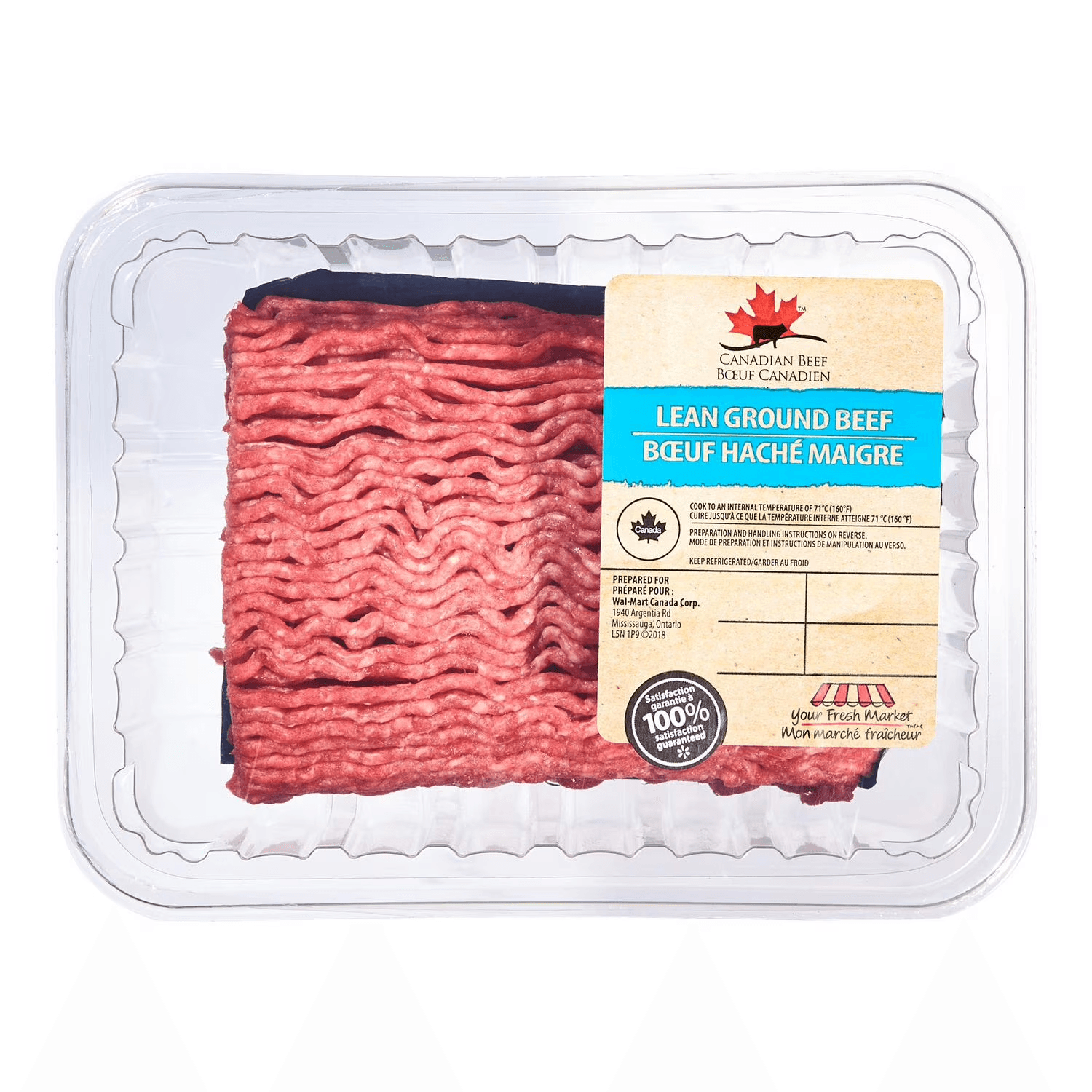
Ground beef is confusing because of how the industry labels it.
"93% lean" sounds like a win. It means 7% fat, right? Yes. But here's the sleight of hand: that 7% of pure fat is calorie-dense. One pound of 93/7 ground beef contains roughly 770 calories and 68 grams of protein. A 4 oz serving is about 180-200 calories with 22 grams of protein.
That's still decent: roughly 8-9 calories per gram of protein. But compare it to 96/4 ground beef (170 calories, 23g protein per 4 oz) or a quality cut like sirloin steak (180 calories, 25g protein per 4 oz). The difference isn't massive, but when you're in a deficit, every calorie compounds.
The real issue: "93% lean" is marketed as health food, so people buy 2-3 pounds thinking they're being disciplined. They don't realize that 1 pound = 770 calories. Cook up a batch of 93/7 beef, and it's easy to accidentally consume 1,500 calories thinking you're eating "lean" meat.
The better move: Buy 96/4 ground beef, or upgrade to whole cuts like sirloin, flank, or brisket. These offer better protein density and fewer hidden calories. Or, use ground beef as a minor component in dishes rather than the bulk—mix it with vegetables and whole grains to stretch the protein per calorie.
5. Plant-Based Protein Products: The Additive Overload
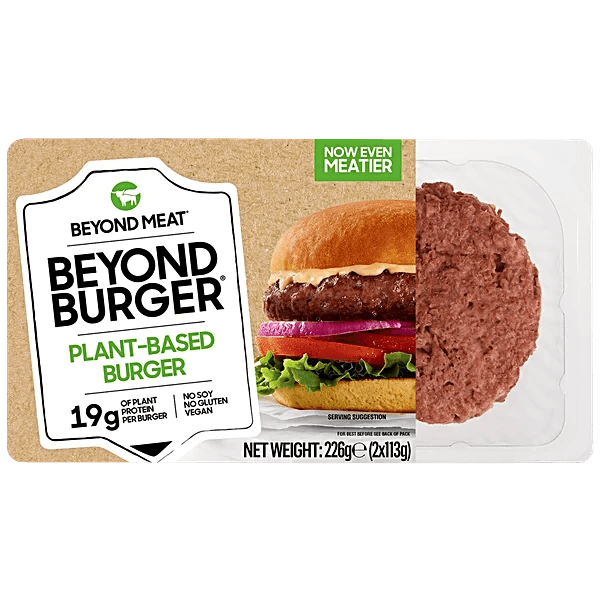
Plant-based meat has exploded in popularity. Beyond Meat, Impossible Foods, and dozens of imitators promise the protein of beef with the ethics of plants.
The problem: they're heavily processed, loaded with additives, and their nutritional profile is nothing like real meat.
A Beyond Meat burger contains 290 calories and 20 grams of protein. Sounds good until you realize it also contains methylcellulose (a thickener), soy leghemoglobin (a heme substitute), and potato starch. The ingredient list reads like chemistry homework. Meanwhile, a 4 oz grass-fed burger patty contains 250 calories, 25 grams of protein, and actual nutrients: vitamin B12, creatine, carnosine, and bioavailable iron.
The protein-to-calorie ratio isn't terrible—it's about 14-15 calories per gram. But the micronutrient density? Nowhere close to beef. You're paying calorie-wise for protein that lacks the co-factors your body actually needs.
I'm not anti-plant-based. But if your goal is eating real, whole foods, these ultra-processed alternatives work against you. They feel like healthy food because they're vegetable-forward, but they're engineered to taste like meat using industrial processing.
The win-win? Use whole plant proteins instead. A cup of cooked lentils: 230 calories, 18 grams of protein, plus 16 grams of fiber and actual micronutrients. Tofu: 94 calories per 3.5 oz, 8 grams of protein, and it absorbs the flavors you cook it with (unlike ultra-processed burgers that taste like the same thing everywhere).
The better move: If you eat plant-based, prioritize whole sources: lentils, chickpeas, tofu, tempeh, and hemp seeds. If you want plant-based "meat," save it for occasional convenience food, not your protein staple. Use Zorest Macro to log these meals and watch your micronutrient intake—processed plant proteins often shortchange you on iron, B12, and amino acid profiles.
6. Flavored Cottage Cheese: The "Protein Snack" Disguise
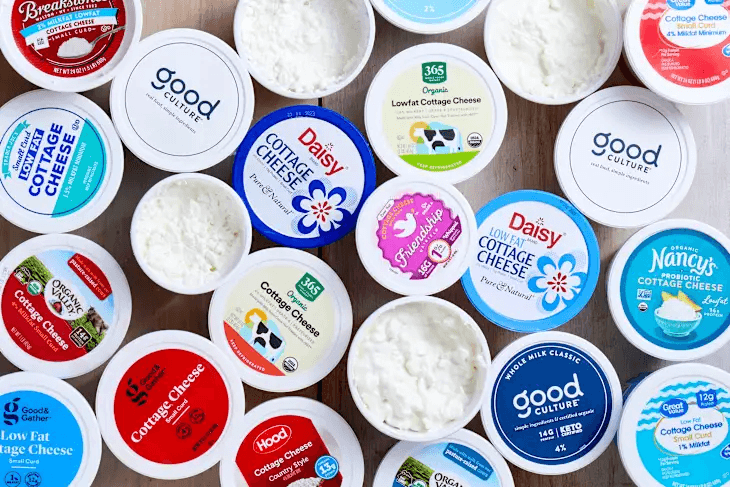
Cottage cheese is legitimately high-protein. A half-cup of plain cottage cheese contains 14 grams of protein and only 110 calories.
Then manufacturers decided to flavor it, and everything went sideways.
A half-cup of flavored cottage cheese (vanilla, strawberry, blueberry) contains that same 14 grams of protein but 15-20 grams of added sugar and 150-170 calories. The protein content doesn't change, but the sugar load transforms it from a lean protein source into a dessert pretending to be healthy food.
The marketing is genius. Bottles are labeled "High-Protein Snack" with clean aesthetics. Nutritionists recommend cottage cheese. Fitness influencers eat it. So when people see "flavored" cottage cheese, their brain registers it as an upgrade—more convenient, more enjoyable, same protein.
Except it's not the same trade-off. You're paying 40-60 extra calories and 15+ grams of sugar for the same protein content. In a deficit, that's a silent killer. You eat it thinking you're being smart, but you've just consumed the calorie and sugar equivalent of a bowl of ice cream, minus the satiety.
The better move: Buy plain cottage cheese and add your own toppings. Plain cottage cheese + fresh berries = 140 calories, 15g protein, 8g carbs. Plain cottage cheese + a drizzle of honey = 170 calories, 14g protein, 12g carbs. You control the sugar, save calories, and it tastes better than the syrupy commercial versions.
7. Protein Shakes (Commercial): Liquid Calories Without Satiety
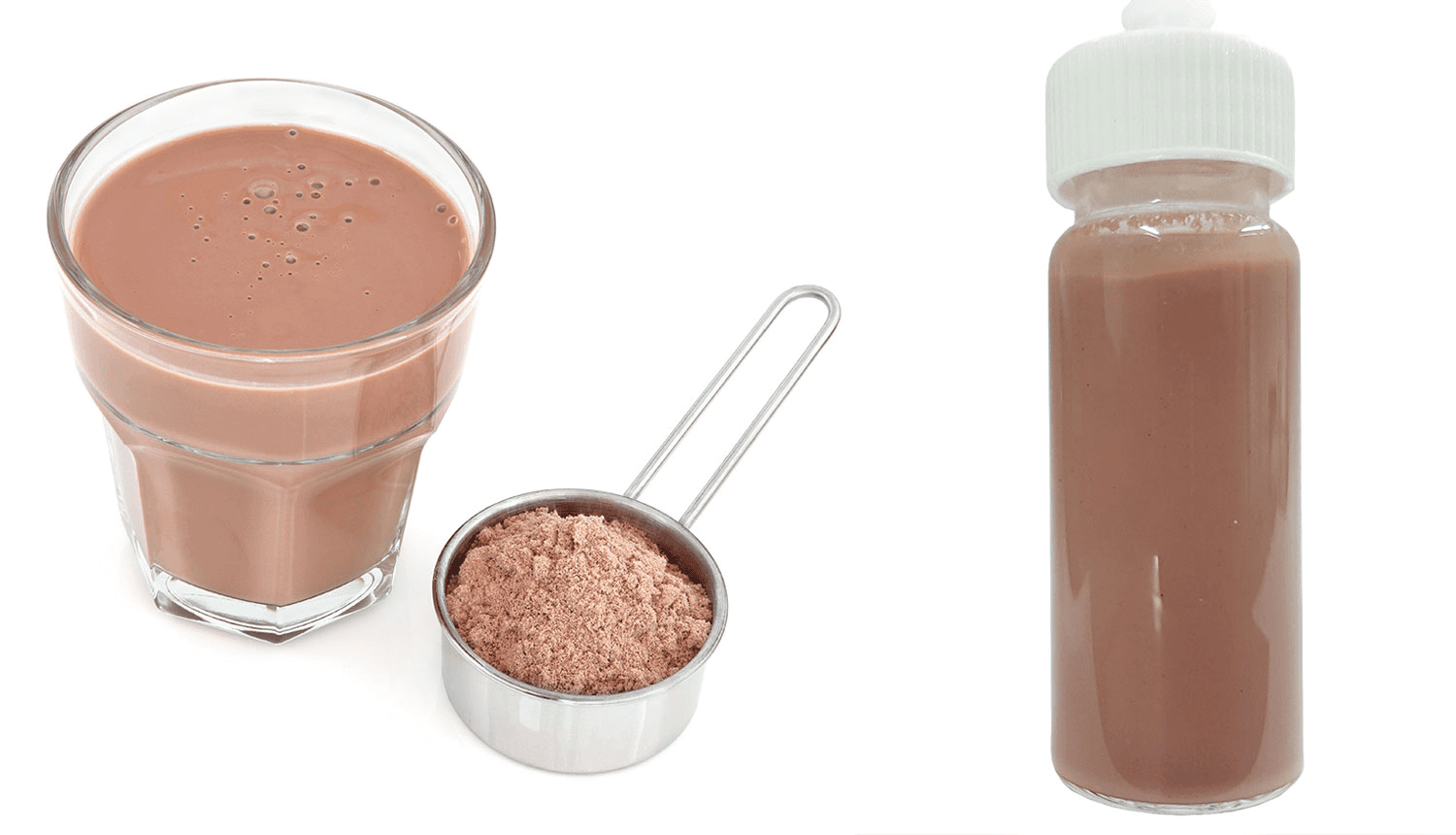
Here's a principle your body understands: liquid calories don't register as food the same way solid food does.
When you drink a 250-calorie protein shake, your satiety hormones (leptin, ghrelin, CCK) respond differently than when you eat 250 calories of solid food. Your stomach doesn't stretch. Your chewing muscles aren't activated. Your digestive system doesn't work as hard. The result: you feel hungry sooner.
Most commercial protein shakes contain 250-350 calories. They're marketed as meal replacements or post-workout recovery boosters. The problem: they deliver the calories without satiety.
A 250-calorie protein shake will leave you hungry in 90 minutes. Two whole eggs (140 calories) + a slice of whole-grain toast (80 calories) + a piece of fruit (30 calories) = 250 calories, but you'll stay satisfied for 3-4 hours. The satiety difference is massive.
Add to this the fact that many commercial shakes are heavily sweetened with artificial sweeteners or sugar, and you've got a product that spikes your appetite, fails to keep you full, and costs more per gram of protein than whole foods.
I used to drink 2-3 protein shakes a day thinking I was optimizing my nutrition. Switched to whole foods as my primary protein source, and my appetite normalized within days. I was eating fewer total calories, naturally, because the food actually kept me satisfied.
The better move: Use shakes as supplements, not meal replacements. A shake post-workout, blended with whole foods (oats, banana, peanut butter)? That works. A shake as a meal? You'll be hungry within 90 minutes and likely overeat later. Save your calories for foods that create satiety: eggs, meat, fish, Greek yogurt, and legumes.
Final Thoughts
The pattern is consistent: marketing exploits our desire for convenience and health by wrapping processed foods in healthy-sounding language.
Granola feels wholesome. Low-fat yogurt feels like the responsible choice. Fast-food chicken feels lean. Plant-based meat feels ethical. Flavored cottage cheese feels indulgent but justified. Protein shakes feel like optimization.
But the body doesn't respond to feeling. It responds to actual macros and satiety. And on those metrics, these foods fall short.
The best protein sources are boring, simple, and whole: eggs, chicken you cook at home, beef, fish, Greek yogurt (plain), cottage cheese (plain), lentils, tofu, and legumes. They deliver protein with actual satiety, real micronutrients, and honest calorie counts.
Start by auditing your current protein sources. Ask yourself three questions:
Am I paying a hidden calorie cost? (Often you are. Compare whole versions to processed ones.)
Does this food actually keep me satisfied? (Or am I hungry 90 minutes later?)
Would a simpler, whole-food version deliver the same protein for fewer calories? (Usually yes.)
Trust the data. Your results will follow.