
طبيبة مقيمة في الطب النفسي، MD، MBBS
شارك هذه القصة
Ozempic has become one of the most talked-about weight loss drugs in the world. Celebrities mention it. Social media debates it. Doctors prescribe it. And millions of people are wondering the same thing:
Can Ozempic really help you lose weight?
The short answer is yes. Many people lose significant weight while taking Ozempic. But the full story is more complicated than the before-and-after photos you see online.
In this guide, I'll explain how Ozempic works, how much weight you can realistically lose, its side effects, and whether it's the right option for you.
TL;DR
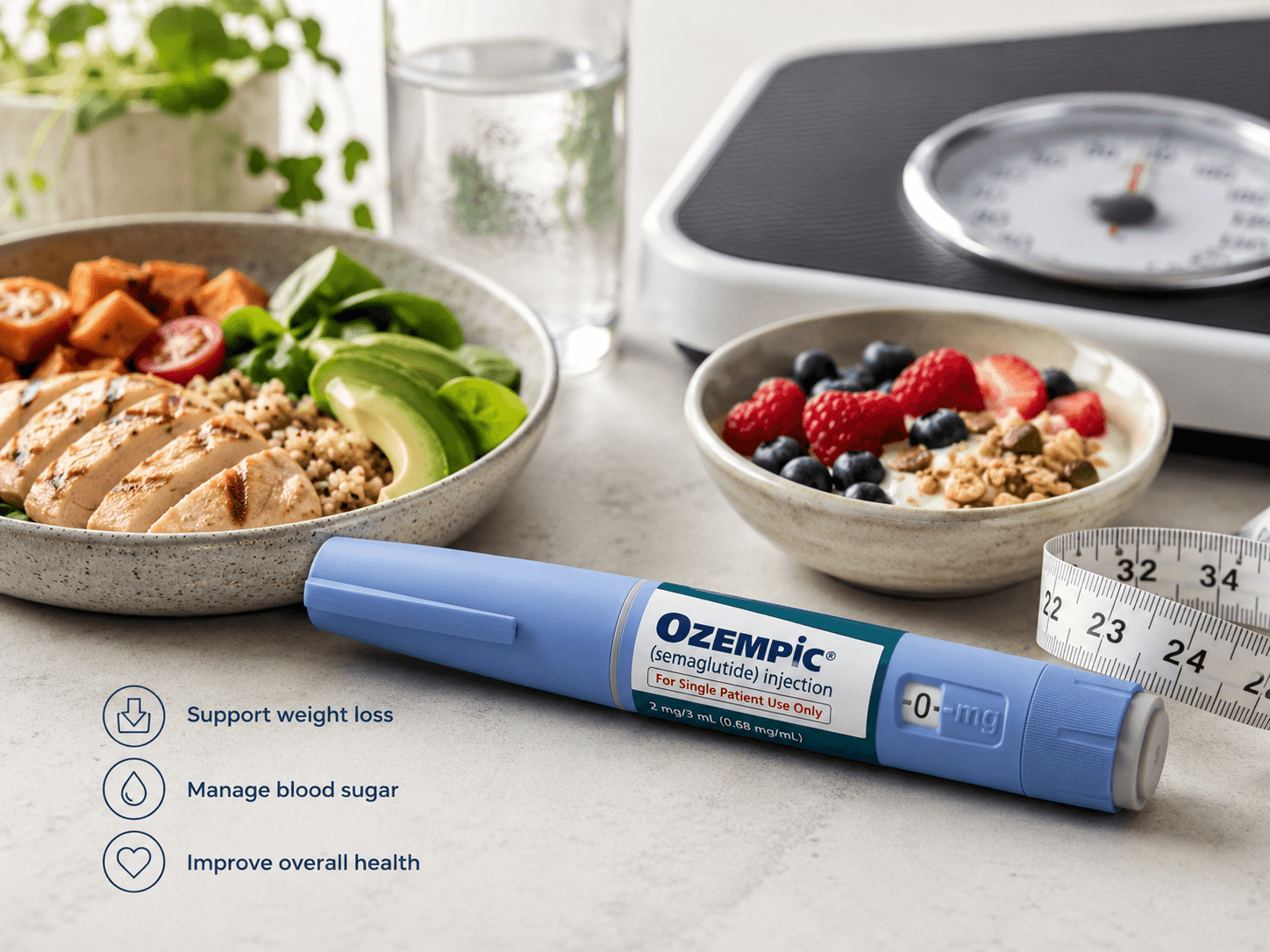
Ozempic is a prescription medication that mimics the hormone GLP-1.
It helps people eat less by reducing appetite and slowing stomach emptying.
Clinical studies show people can lose meaningful amounts of weight while using it.
Weight regain is common after stopping the medication.
Side effects such as nausea, vomiting, and digestive discomfort are common.
Ozempic works best when combined with sustainable nutrition and lifestyle habits.
Tracking food intake and protein consumption remains important, even when appetite is reduced.
What is Ozempic?
Ozempic is a prescription medication containing semaglutide, a drug that mimics a natural hormone called GLP-1 (glucagon-like peptide-1).
It was originally developed to help people with type 2 diabetes manage blood sugar levels. During clinical trials, researchers noticed that many participants were also losing weight.
That unexpected benefit eventually made semaglutide one of the most sought-after medications for obesity treatment.
Today, Ozempic is often prescribed off-label for weight loss, while a higher-dose version called Wegovy is specifically approved for obesity management.
How Ozempic helps with weight loss
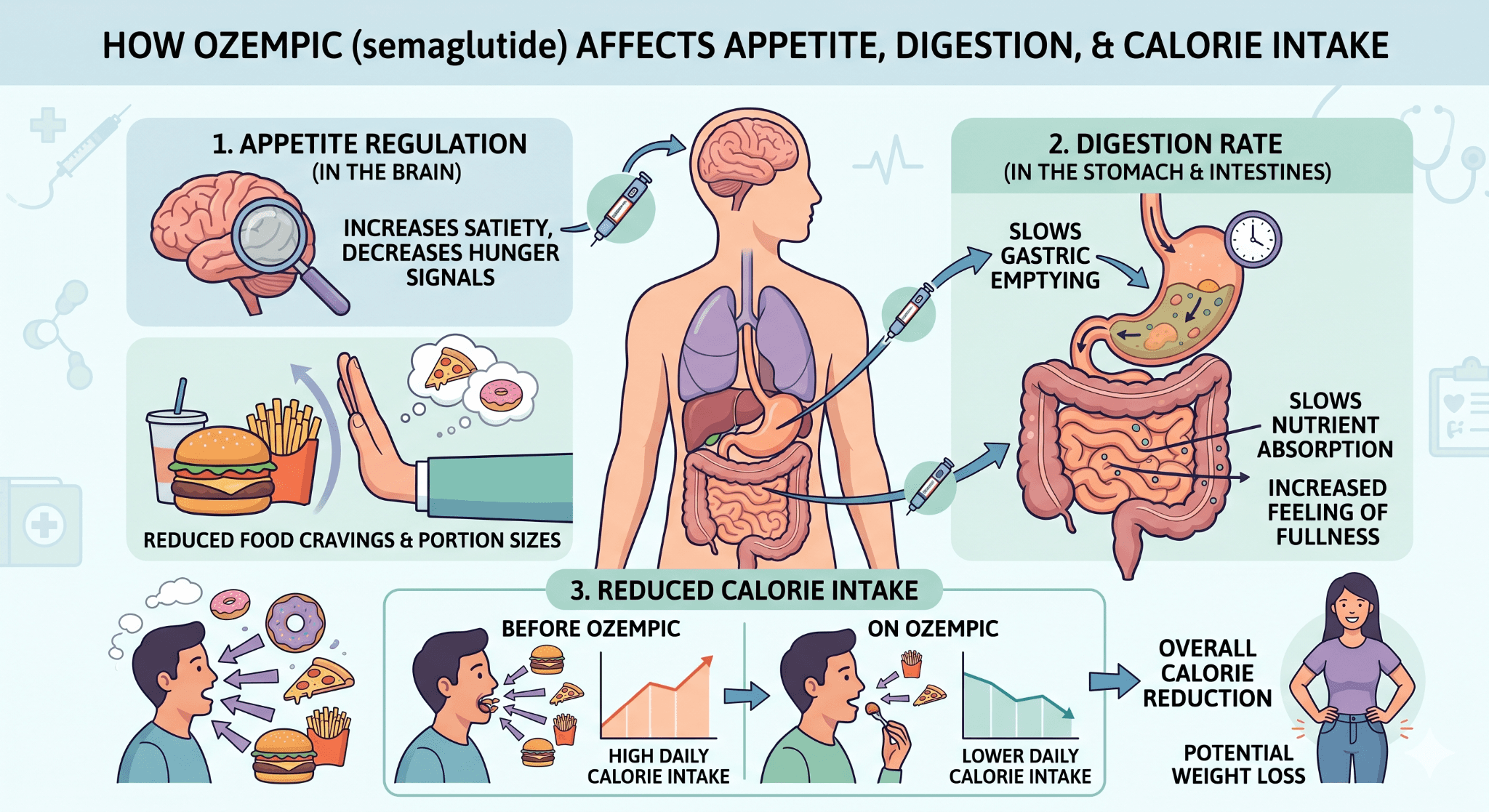
Ozempic helps people lose weight primarily by reducing hunger and increasing feelings of fullness.
It works through several mechanisms:
It reduces appetite
Many users report that food simply becomes less tempting.
Cravings often decrease, portions naturally shrink, and snacking becomes less frequent.
One patient described it as:
"The food noise in my head finally went quiet."
That's a surprisingly common experience.
It slows stomach emptying
Food stays in the stomach longer.
This creates a prolonged feeling of fullness after meals, making it easier to consume fewer calories without feeling deprived.
It improves blood sugar regulation
Stable blood sugar levels can help reduce energy crashes and hunger spikes that often lead to overeating.
How much weight can you lose on Ozempic?
Weight loss varies from person to person, but many people experience significant results.
Research on semaglutide has shown average weight reductions ranging from approximately 10% to 15% of body weight over extended treatment periods.
Let's put that into perspective.
If someone weighs 220 pounds (100 kg):
5% weight loss = 11 pounds (5 kg)
10% weight loss = 22 pounds (10 kg)
15% weight loss = 33 pounds (15 kg)
Some individuals lose even more.
Others lose less.
The biggest factors influencing results include:
Starting weight
Medication dosage
Diet quality
Protein intake
Physical activity
Sleep quality
Long-term consistency
What a typical Ozempic weight loss timeline looks like
Most people do not lose large amounts of weight immediately.
A typical progression looks something like this:
Month 1
Reduced appetite
Smaller portions
Mild weight loss
Months 2-3
More noticeable fat loss
Improved portion control
Reduced cravings
Months 4-6
Significant cumulative weight loss
Better adherence to healthy eating patterns
Improved metabolic markers
Beyond 6 months
Continued progress for many users
Weight loss often slows but remains steady
It's important to understand that Ozempic is not a rapid-fat-loss shortcut. Sustainable changes still take time.
The most common side effects
Digestive side effects are extremely common, especially when starting treatment.
Common symptoms include:
Nausea
Vomiting
Diarrhea
Constipation
Stomach pain
Bloating
Acid reflux
For many people, these symptoms improve as the body adapts.
However, some individuals find the side effects difficult enough to discontinue treatment.
More serious side effects can occur, which is why medical supervision is essential.
Always discuss risks with a qualified healthcare provider before starting any medication.
What happens when you stop Ozempic?
Many people regain weight after stopping the medication.
This is one of the biggest challenges with GLP-1 medications.
When appetite suppression disappears, hunger often returns.
Without sustainable eating habits in place, calorie intake may gradually rise again.
Think of Ozempic as training wheels rather than the bicycle itself.
The medication can help create a calorie deficit, but long-term success usually depends on building habits that remain after treatment ends.
Why protein becomes even more important
One overlooked risk during rapid weight loss is losing muscle along with fat.
Because Ozempic reduces appetite, some people accidentally eat too little protein.
That can increase muscle loss.
To protect muscle mass while losing weight, prioritize:
Lean meats
Fish
Eggs
Greek yogurt
Cottage cheese
Protein shakes
Legumes
Many experts recommend aiming for adequate protein intake throughout a weight loss journey, especially when using appetite-suppressing medications.

The biggest mistake people make on Ozempic
The biggest mistake is relying entirely on the medication while ignoring nutrition habits.
I've seen people assume Ozempic remove the need to think about food choices.
It doesn't.
Someone can still:
Under-eat protein
Skip vegetables
Become dehydrated
Develop nutrient deficiencies
Lose muscle mass
The people who achieve the best long-term results typically use Ozempic as a tool rather than a complete solution.
They learn portion control, prioritize protein, improve food quality, and build sustainable routines.
How Zorest Macro can help during Ozempic treatment
One challenge many Ozempic users face is eating less while still meeting their nutritional needs.
This is where tracking becomes valuable.
Using Zorest Macro's AI Meal Logger, you can log meals using text, voice, photos, barcodes, or nutrition labels and instantly see your protein, carbs, fats, and calorie intake.
The Daily Meal Planner can also help ensure you're consuming enough protein and essential nutrients despite having a reduced appetite.
For people who struggle with knowing what to eat next, the AI Coach and personalized meal recommendations can provide practical guidance without complicated spreadsheets or manual calculations.
The goal isn't simply eating less.
The goal is eating smarter while preserving muscle and supporting long-term health.

Who should consider Ozempic?
Ozempic may be worth discussing with your doctor if:
You are obese or overweight with related health conditions.
Previous weight loss attempts have not been successful.
Your healthcare provider believes a GLP-1 medication is appropriate.
You understand both the benefits and risks.
It is not suitable for everyone.
Medical history, current medications, and individual risk factors all matter.
A healthcare professional should determine whether it fits your situation.
Final thoughts
Ozempic has changed the weight loss conversation because it genuinely helps many people eat less and lose weight.
But medications rarely solve weight management by themselves.
The most successful people use Ozempic as one part of a larger strategy that includes adequate protein, regular activity, healthy habits, and consistent nutrition awareness.
Whether you're using Ozempic, Wegovy, or pursuing weight loss naturally, understanding what you're eating remains one of the most powerful tools available.