
طبيبة مقيمة في الطب النفسي، MD، MBBS
شارك هذه القصة
Your body is home to trillions of microorganisms. Most of them live in your gut. Together, they form what scientists call the microbiome.
For years, researchers viewed these microbes mainly as digestive helpers. Today, we know they influence far more than digestion. Your microbiome affects your immune system, skin health, mood, stress response, and even how your brain functions.
If your gut microbiome is thriving, you often feel the benefits throughout your body. If it's out of balance, the effects can show up in surprising places, including your skin and mental wellbeing.
Let's explore how this invisible ecosystem works and why what you eat plays a major role in keeping it healthy.
What is the microbiome?
The microbiome is the collection of bacteria, fungi, viruses, and other microorganisms that naturally live in and on your body.
Most of these microbes reside in your digestive tract. While the idea of carrying trillions of bacteria might sound alarming, many of them are essential for health.
A healthy microbiome helps:
Digest certain foods
Produce vitamins such as vitamin K and some B vitamins
Support immune function
Protect against harmful pathogens
Communicate with the nervous system
Think of your gut as a bustling city. When the right residents are present and balanced, the city runs smoothly. When harmful microbes begin to dominate, problems emerge.
Why the microbiome matters more than you think
The microbiome acts almost like an additional organ.
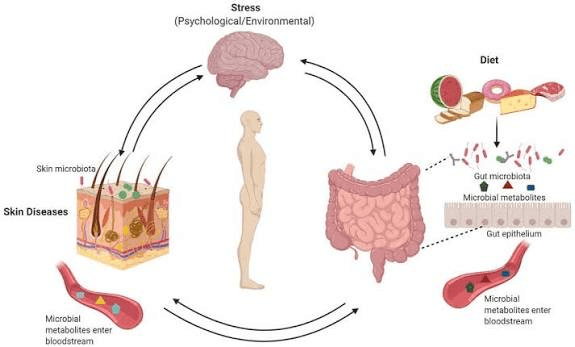
Scientists have discovered that gut bacteria produce hundreds of compounds that influence various systems throughout the body. Some of these compounds enter the bloodstream and affect organs far from the gut itself.
One example is short-chain fatty acids (SCFAs), which are produced when beneficial bacteria ferment dietary fiber. SCFAs help reduce inflammation, strengthen the gut barrier, and support immune health.
Research increasingly suggests that microbiome diversity is associated with better overall health, while reduced diversity is linked to numerous chronic conditions.
Source: https://www.nature.com/articles/nature11552
How the microbiome affects your skin
Bottom line: your gut and skin constantly communicate.
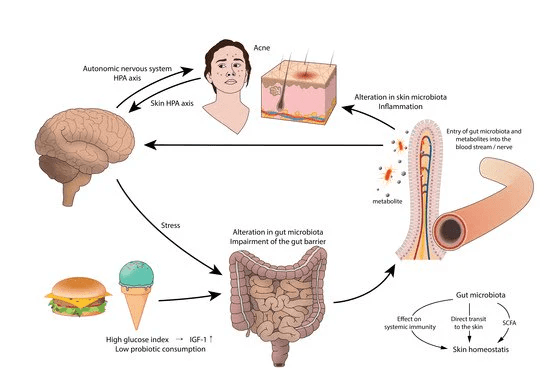
This relationship is often called the gut-skin axis.
Many people focus exclusively on skincare products when dealing with acne, eczema, rosacea, or unexplained skin irritation. While topical treatments can help, gut health may be an overlooked piece of the puzzle.
Inflammation can show up on your skin
An unhealthy microbiome can increase intestinal permeability, sometimes referred to as "leaky gut."
When this occurs, inflammatory compounds may enter circulation more easily. Increased inflammation can contribute to skin conditions such as:
Acne
Eczema
Psoriasis
Rosacea
Several studies have found differences in gut bacteria composition between people with these conditions and those without them.
Source: https://www.ncbi.nlm.nih.gov/pmc/articles/PMC6048199/
Gut bacteria influence immune responses
Approximately 70% of the immune system resides in or around the gut.
When beneficial bacteria are abundant, they help regulate immune activity. This balance can reduce excessive inflammatory responses that may affect the skin.
The microbiome may impact skin aging
Emerging research suggests that gut health may influence collagen production, oxidative stress, and systemic inflammation.
While the science is still developing, maintaining a healthy microbiome may support healthier-looking skin as we age.
How the microbiome affects your mental health
Bottom line: your gut and brain are in constant conversation.
Scientists call this connection the gut-brain axis.
Your digestive system contains millions of nerve cells and communicates directly with the brain through neural, hormonal, and immune pathways.
Gut bacteria help produce neurotransmitters
Many neurotransmitters associated with mood are linked to gut health.
For example:
About 90% of serotonin is produced in the gut.
Gut microbes influence dopamine production.
Certain bacteria help regulate GABA, which supports relaxation.
Although these chemicals don't simply travel from the gut to the brain, gut microbes influence the systems that regulate them.
Source: https://www.ncbi.nlm.nih.gov/pmc/articles/PMC6469458/
Stress can change your microbiome
The relationship works both ways.
Poor gut health can affect mood, but chronic stress can also alter the composition of gut bacteria.
I often compare it to a feedback loop. Stress disrupts the microbiome. The disrupted microbiome increases inflammation and stress sensitivity. This can create a cycle that's difficult to break.
Microbiome diversity is linked to mental wellbeing
Research has observed associations between reduced microbial diversity and conditions such as:
Anxiety
Depression
Chronic stress
Cognitive decline
Scientists are still exploring exactly how strong these relationships are, but the evidence continues to grow.
Source: https://www.nature.com/articles/s41398-019-0385-x
How diet shapes your microbiome
Bottom line: what you eat determines which microbes thrive.
Your microbiome responds quickly to dietary changes. In some studies, significant changes occurred within just a few days of altering food intake.
Think of food as fertilizer for your gut ecosystem.
Feed beneficial microbes, and they multiply. Feed harmful microbes consistently, and they gain ground.
Fiber is the microbiome's favorite food
Fiber is one of the most important nutrients for gut health.
Beneficial bacteria ferment fiber and produce short-chain fatty acids that help:
Reduce inflammation
Strengthen the gut barrier
Support immune function
Nourish colon cells
Excellent fiber sources include:
Vegetables
Fruits
Legumes
Oats
Whole grains
Nuts and seeds
Most people consume far less fiber than recommended.
Fermented foods introduce beneficial microbes
Fermented foods naturally contain live microorganisms.
Examples include:
Yogurt with live cultures
Kefir
Kimchi
Sauerkraut
Miso
Tempeh
Studies suggest that regular consumption of fermented foods may increase microbiome diversity.
Source: https://www.cell.com/cell/fulltext/S0092-8674(21)00754-6
Plant diversity promotes microbial diversity
One of the most practical pieces of advice I give is simple:
Eat more different plants.
Research from the American Gut Project found that people consuming 30 or more different plant foods weekly tended to have more diverse microbiomes than those consuming fewer than 10.
That doesn't mean eating enormous amounts of vegetables. Herbs, spices, nuts, seeds, legumes, fruits, and vegetables all count.
Source: https://microsetta.ucsd.edu/
Foods that may harm microbiome health
No single food instantly destroys your microbiome. Problems usually arise from long-term dietary patterns.
Potential contributors to microbiome imbalance include:
Diets low in fiber
Excess ultra-processed foods
High added sugar intake
Excessive alcohol consumption
Frequent unnecessary antibiotic use
These factors can reduce microbial diversity and favor less beneficial bacterial populations.
Signs your microbiome may need attention
There is no universal symptom checklist, but some potential indicators include:
Frequent bloating
Digestive discomfort
Irregular bowel movements
Increased food sensitivities
Persistent fatigue
Chronic skin issues
Difficulty managing stress
These symptoms can have many causes, so they do not automatically indicate microbiome problems. However, they may be worth discussing with a healthcare professional.
Practical ways to improve your microbiome
The good news is that small changes can have meaningful effects.
Start with these evidence-based habits:
Eat more fiber
Aim to include fruits, vegetables, legumes, and whole grains daily.
Increase plant variety
Challenge yourself to consume 30 different plant foods each week.
Include fermented foods
Add yogurt, kefir, kimchi, or similar foods regularly if they fit your dietary preferences.
Stay physically active
Exercise appears to support microbiome diversity and overall gut health.
Prioritize sleep
Poor sleep is associated with disruptions in gut bacteria.
Manage chronic stress
Meditation, walking, social connection, and mindfulness practices can benefit both mental health and the microbiome.
The future of microbiome science
Researchers are only beginning to understand the full impact of the microbiome.
Future treatments may include personalized nutrition plans, targeted probiotics, and microbiome-based therapies designed around an individual's unique gut ecosystem.
What is already clear is that the microbiome plays a central role in health. It influences digestion, immunity, skin appearance, mood, and many other processes we once thought were unrelated.
Final thoughts
Your microbiome is one of the most influential systems in your body.
The microbes living in your gut don't just help digest food. They communicate with your immune system, affect your skin, and play a role in mental wellbeing through the gut-brain axis.
The encouraging part is that you can influence your microbiome every day through diet and lifestyle choices. Eating more fiber, increasing plant diversity, including fermented foods, sleeping well, and managing stress can help create an environment where beneficial microbes thrive.
When you take care of your gut, you're often taking care of much more than digestion.
Got questions? Ping me on Linkedin.