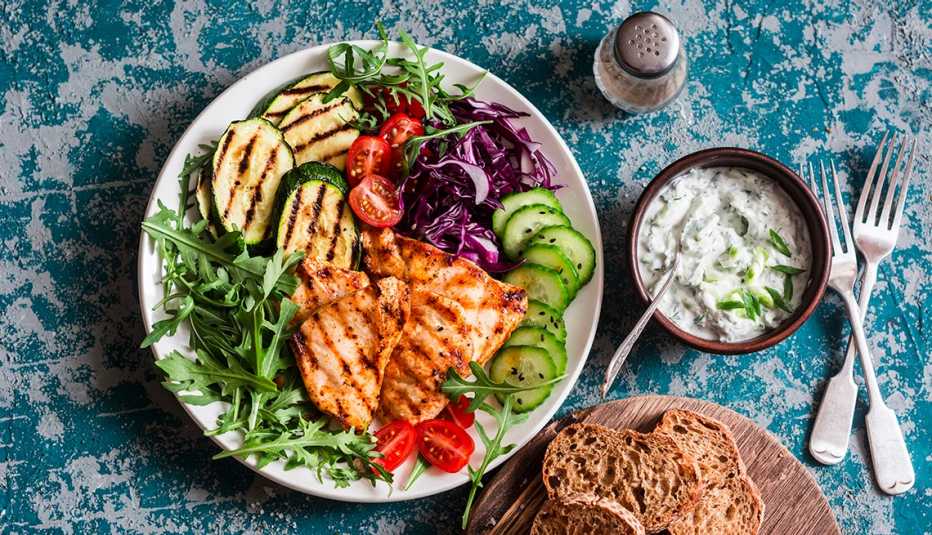

طبيبة مقيمة في الطب النفسي، MD، MBBS
شارك هذه القصة
Most diets promise dramatic results. Few survive decades of scientific scrutiny.
The Mediterranean diet is one of the rare exceptions.
While nutrition trends constantly change—from low-fat to keto to carnivore—the Mediterranean diet continues to rank among the healthiest eating patterns in the world. Researchers at Harvard recently reinforced this point, arguing that when nutrition advice becomes confusing, the Mediterranean diet remains one of the most evidence-backed approaches available.
If you've ever felt overwhelmed by conflicting diet advice, this guide will show you what the Mediterranean diet is, why it works, and how to start following it without moving to Greece or spending a fortune on specialty foods.
What is the Mediterranean diet?
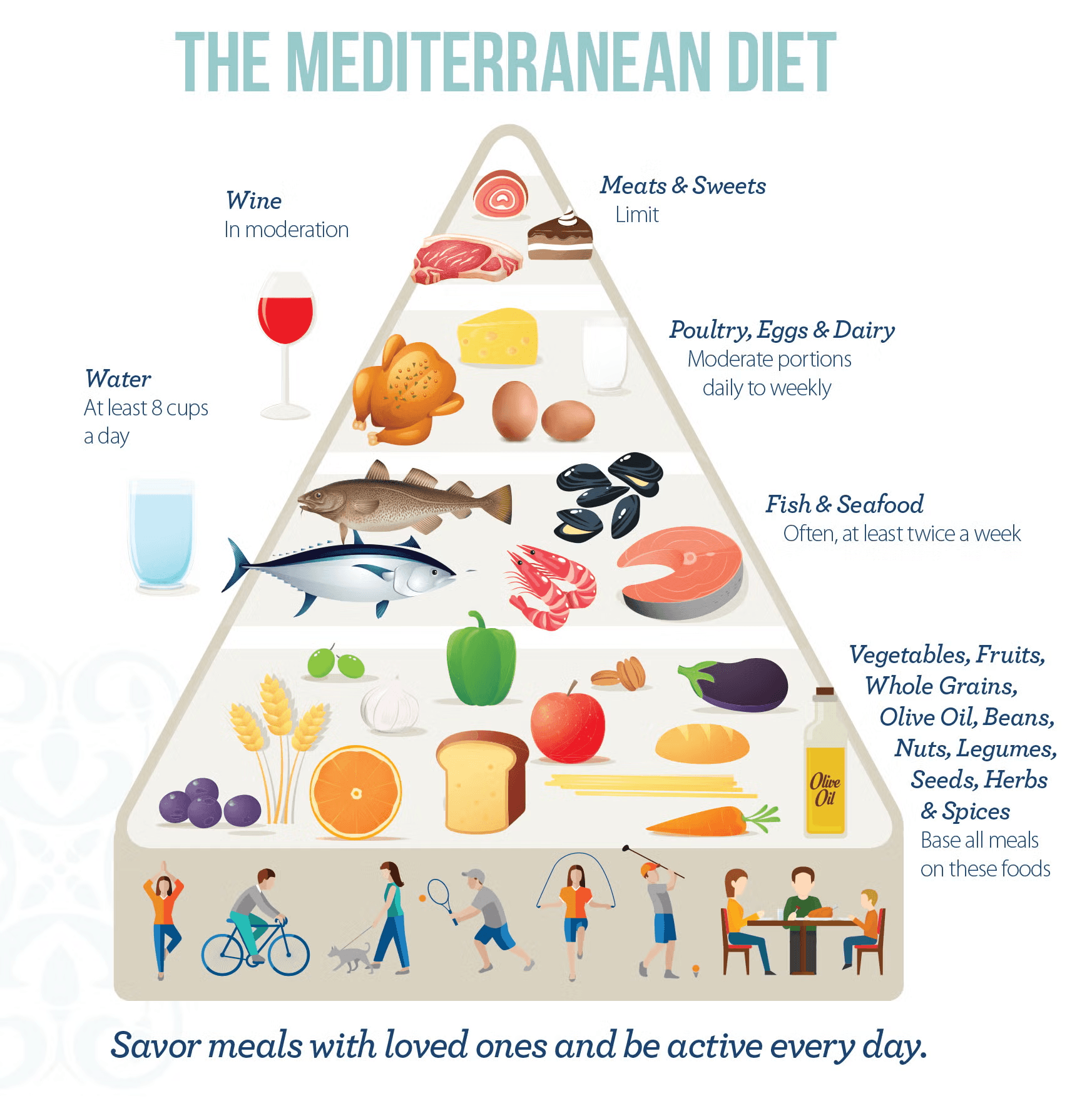
The Mediterranean diet is an eating pattern inspired by the traditional diets of countries surrounding the Mediterranean Sea, including Greece, Italy, and parts of Spain.
Rather than focusing on strict calorie rules or eliminating food groups, it emphasizes:
Vegetables
Fruits
Legumes
Whole grains
Nuts and seeds
Olive oil
Fish and seafood
Moderate dairy consumption
Limited red and processed meat
The key difference is that it's a lifestyle pattern, not a temporary diet.
Why nutrition experts trust the Mediterranean diet
The biggest reason nutrition scientists recommend the Mediterranean diet is simple: the evidence is overwhelming.
Harvard researchers note that Mediterranean-style eating patterns consistently show benefits across multiple health outcomes, including heart disease, diabetes prevention, and longevity.
Unlike trendy diets that rely on short-term studies, the Mediterranean diet has been examined for decades.
Research has linked strong adherence to Mediterranean eating with:
Lower cardiovascular disease risk
Better blood sugar control
Reduced risk of type 2 diabetes
Improved cognitive health
Lower rates of premature death
Better weight maintenance over time
One meta-analysis cited by Harvard found that people following the diet most closely had a 24% lower risk of cardiovascular disease and a 23% lower risk of premature death.
That's remarkable for a diet that doesn't require cutting out entire food groups.
What foods should you eat on a Mediterranean diet?
The easiest way to understand the Mediterranean diet is to imagine building your meals around plants.
Eat more of these foods
Vegetables
Aim to fill at least half your plate with vegetables whenever possible.
Examples:
Tomatoes
Spinach
Broccoli
Bell peppers
Cucumbers
Eggplant
Zucchini
Fruits
Fresh fruit often replaces desserts.
Examples:
Apples
Oranges
Berries
Grapes
Pears
Figs
Whole grains
Swap refined grains for minimally processed alternatives.
Examples:
Oats
Brown rice
Whole wheat bread
Quinoa
Barley
Healthy fats
Olive oil is the star of the Mediterranean diet.
Other healthy fat sources include:
Almonds
Walnuts
Pistachios
Avocados
Seeds
Protein sources
Focus on seafood, legumes, and moderate amounts of poultry.
Examples:
Salmon
Sardines
Tuna
Lentils
Chickpeas
Beans
Greek yogurt
What foods should you limit?
The Mediterranean diet isn't about banning foods.
However, it does encourage limiting foods linked to poorer health outcomes.
Try to reduce:
Processed meats
Sugary drinks
Refined grains
Ultra-processed snacks
Excess added sugar
Frequent fast food meals
Red meat isn't forbidden, but it's typically consumed much less often than in a standard Western diet.
Why does the Mediterranean diet work so well?
People often assume the Mediterranean diet works because of olive oil alone.
The reality is more interesting.
The benefits come from the combination of foods.
Higher fiber intake
Vegetables, beans, fruits, and whole grains provide fiber that supports:
Gut health
Blood sugar control
Satiety
Cholesterol management
Better fat quality
The diet replaces many saturated fats with unsaturated fats from olive oil, nuts, and fish.
More antioxidants
Colorful plant foods contain compounds that help combat oxidative stress and chronic inflammation.
Less ultra-processed food
Many Mediterranean meals are built from simple ingredients rather than packaged convenience foods.
The result is a dietary pattern that supports health from multiple angles simultaneously.
Can the Mediterranean diet help with weight loss?
Yes, but perhaps not in the way most people expect.
The Mediterranean diet is not a rapid-fat-loss diet.
Instead, it helps create eating habits that are easier to sustain for years.
Research highlighted by Harvard suggests that people following a Mediterranean-style diet are more likely to maintain weight loss over time compared to those following less Mediterranean eating patterns.
In my experience, this is one of its biggest strengths.
Most people don't struggle with losing weight for two weeks.
They struggle with maintaining healthy habits for two years.
The Mediterranean diet makes consistency easier because the foods are satisfying, flexible, and enjoyable.
A simple Mediterranean diet meal plan
Here's what a day of Mediterranean eating might look like.
Breakfast
Greek yogurt with berries, walnuts, and oats.
Lunch
Large salad with chickpeas, olive oil dressing, cucumber, tomatoes, and whole-grain bread.
Snack
Apple and a handful of almonds.
Dinner
Grilled salmon with roasted vegetables and quinoa.
Dessert
Fresh fruit.
No calorie counting required.
No detox tea required.
No complicated food rules required.
How Zorest Macro can make the Mediterranean diet easier
One challenge people face when switching to healthier eating patterns is understanding whether they're actually getting enough protein, fiber, and calories.
Instead of manually calculating everything, you can use Zorest Macro's AI Meal Logger to photograph or describe your meals and instantly see the nutritional breakdown.
This becomes especially useful when you're trying to increase plant foods while still hitting protein targets for fat loss or muscle gain.
The Daily Meal Planner can also help generate Mediterranean-inspired meal ideas based on your goals and food preferences.
Common Mediterranean diet mistakes
Using too much olive oil
Olive oil is healthy, but calories still matter.
A few tablespoons can quickly add hundreds of calories.
Ignoring protein
Some people focus so heavily on vegetables and grains that protein intake becomes too low.
Include fish, legumes, Greek yogurt, eggs, or lean poultry regularly.
Buying "Mediterranean" packaged foods
Mediterranean-flavored chips are not the Mediterranean diet.
Focus on whole foods first.
Expecting instant results
The Mediterranean diet works because it's sustainable.
Its power comes from consistency, not speed.
Is the Mediterranean diet right for everyone?
For most healthy adults, yes.
The Mediterranean diet is one of the most flexible dietary patterns available.
It can be adapted for:
Weight loss
Weight maintenance
Muscle gain
Vegetarian eating
Family meals
The emphasis on whole foods, healthy fats, and plant-based nutrition makes it suitable for a wide range of lifestyles and health goals.
Final thoughts
If you feel confused by the endless stream of nutrition advice online, Harvard's recommendation is refreshingly simple: when in doubt, eat Mediterranean.
The Mediterranean diet isn't popular because it's trendy. It's popular because decades of research continue to show meaningful benefits for heart health, longevity, diabetes prevention, cognitive function, and long-term weight management.
You don't need perfect meals.
You don't need imported ingredients.
You just need to eat more vegetables, fruits, legumes, whole grains, healthy fats, and quality protein more often than you do today.
That's a strategy that can work for decades, not just until the next diet trend arrives.