
طبيبة مقيمة في الطب النفسي، MD، MBBS
شارك هذه القصة
Most people have tried a calorie tracker at some point. They download one, use it diligently for about ten days, and then abandon it somewhere between logging their fifth ingredient in a home-cooked dinner and realizing the app's calorie target hasn't changed in four months despite losing 6 kilos.
The apps aren't broken. They were just built to track, not to help. Zorest Macro was built differently, and this post explains exactly how.
Most calorie trackers collect data, they don't interpret it
This is the foundational problem with apps like MyFitnessPal, Lose It!, and Cronometer. You get a blank diary, a daily calorie target, and a running tally. That's it.
At the end of the day, you can see that you ate 1,980 calories. But the app doesn't tell you whether that's working, whether your protein is supporting muscle retention during your deficit, or whether your macro split actually fits your goal. The data is there. The interpretation isn't.
I've spent time across most of the major trackers, and the experience feels a lot like getting a blood test result with no reference range and no doctor to explain it. The number exists. The meaning does not.
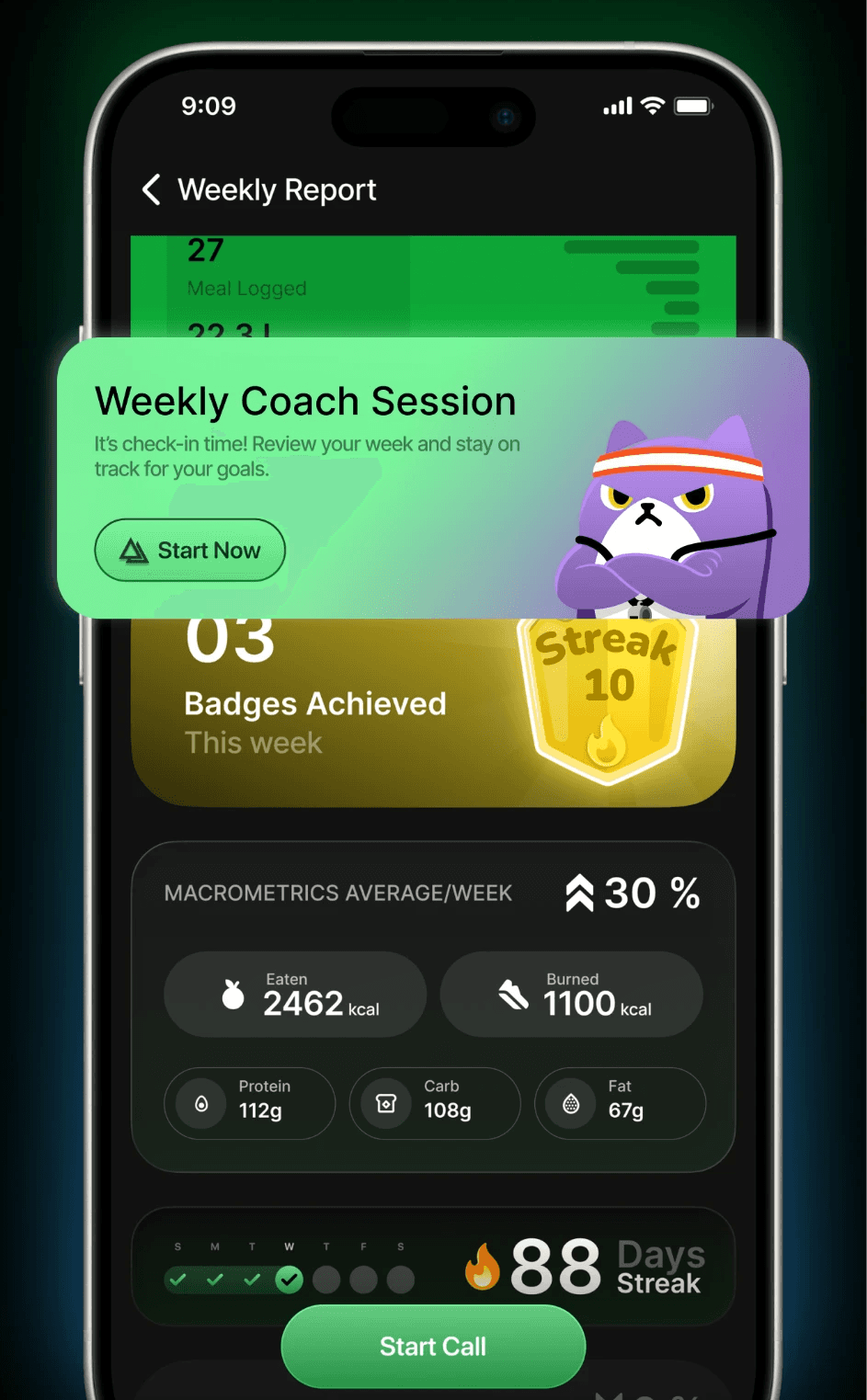
Zorest Macro's Weekly AI Coach Call addresses this gap directly. Every week, you get a one-on-one voice session with an AI nutrition coach that has full context on your logged meals, your progress, and your goals. It's the difference between reading your own X-ray and having a radiologist walk you through it.
Logging a meal on most apps takes 2 to 5 minutes
Manual search-and-select is the primary reason people quit calorie tracking. The standard workflow on most apps goes like this: search for chicken, scroll through 40 entries with slightly different serving sizes, pick the closest one, adjust grams, repeat for rice, repeat for oil, add the side salad separately. That's four to six search steps for a single home-cooked meal.
Research backs this up. A 2019 review in Nutrients found that perceived effort in self-monitoring is one of the strongest predictors of dietary tracking adherence. When logging feels like a chore, people stop. And when people stop logging, the entire benefit of calorie tracking collapses.
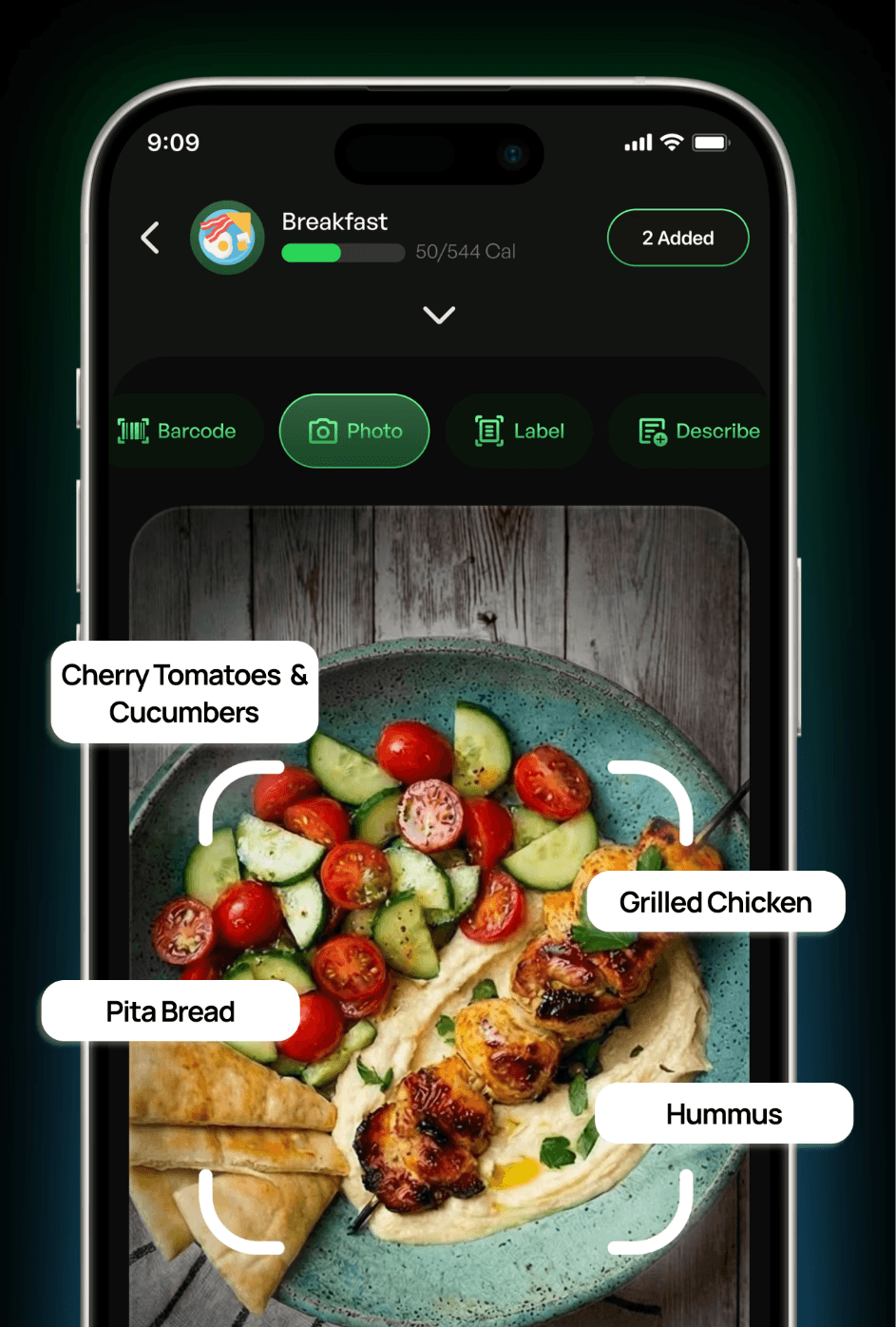
Zorest Macro's AI Meal Logger solves this with five input options: photo, voice, text, barcode, and food label scan, all backed by a 1.9 million-item verified food database. I've logged a full plate meal in under 30 seconds using the photo logger. Snap the plate, the AI identifies the components, and the macros populate automatically. For most meals, you're done before you've even sat down.
The voice option is particularly useful if you're cooking at home. Say "one cup of cooked basmati rice, 150 grams grilled salmon, one tablespoon olive oil," and it logs the full breakdown without you touching your phone with oil-covered hands.
User-submitted food databases have a real accuracy problem
MyFitnessPal's database has over 14 million entries. That sounds like a feature. In practice, a significant portion of those entries are crowd-sourced and unverified, which creates a reliability problem that compounds quietly over weeks of tracking.
A 2024 study in Nutrients found that MyFitnessPal underestimated saturated fat by 13–40% and cholesterol by 26–60% in user-submitted entries. If you're tracking for cardiovascular health or trying to manage a specific macro split, those errors matter. A 15% error in calories across a week of tracking can easily explain a plateau that has nothing to do with your behavior.
Zorest Macro uses a verified 1.9 million-item database. Smaller than MFP's, but accuracy beats breadth if the goal is actually making progress.
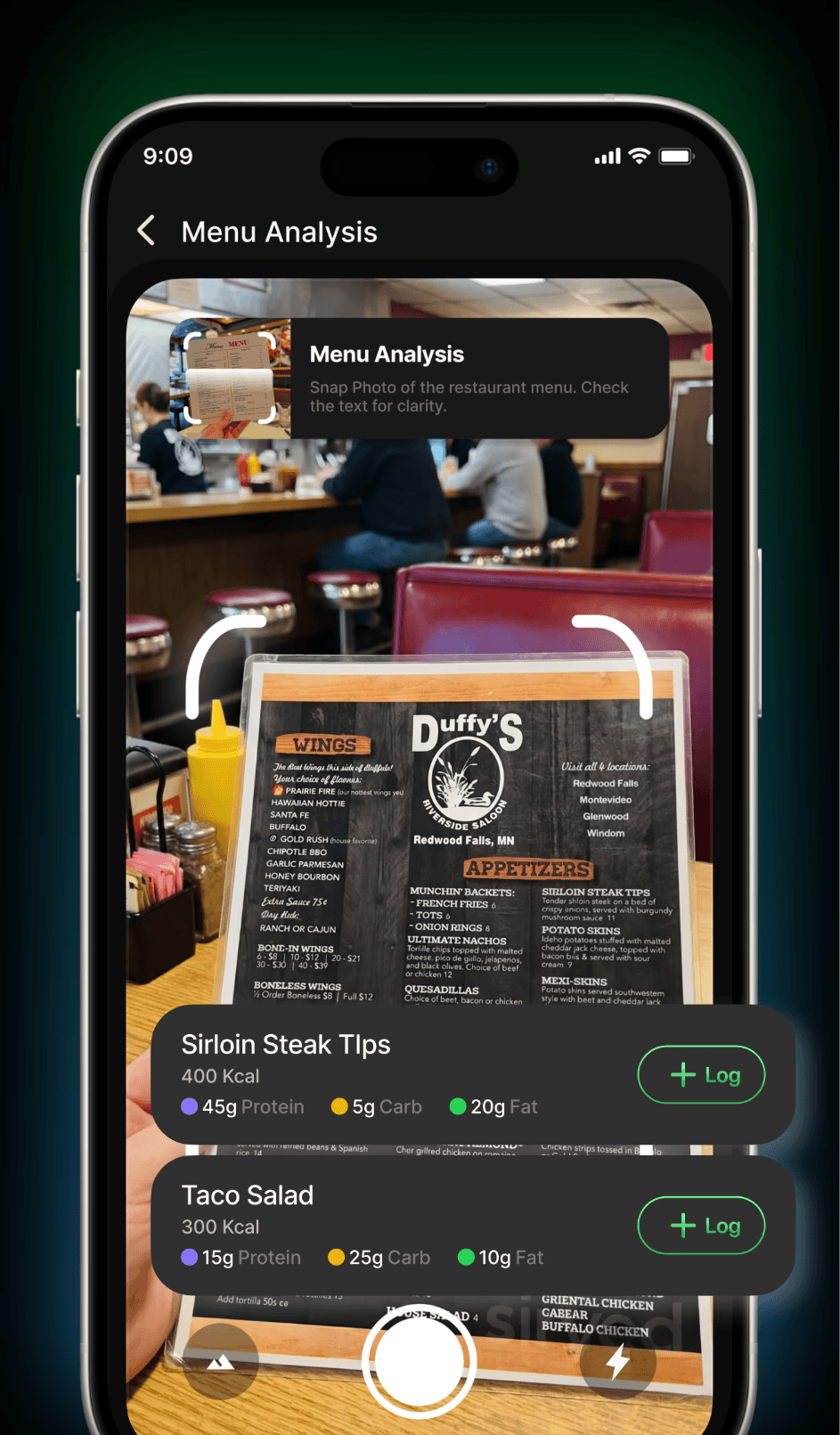
The other gap most trackers don't solve: restaurant meals. You can't barcode scan a thali. You can't look up "my local curry house chicken korma with rice" in any database and trust the result.
Zorest Macro's Restaurant Menu Analyzer handles this. Snap a photo of the menu, and the app gives you an instant nutrition breakdown with goal-based suggestions. Eating out no longer means guessing or giving up on the day's tracking entirely.
Static calorie targets drift away from your actual needs
Here's a problem most people never realize is happening to them. At signup, every major calorie tracker calculates a daily calorie target based on your current weight, height, age, and activity level. That target gets set once, and it stays put.
But as your weight changes, your maintenance calories shift. Lose 5 kilos and your body burns fewer calories at rest. This is established physiology — if you want to understand exactly how weight changes affect your metabolic rate, our post on how weight gain affects BMR covers this in detail.
The consequence is predictable. After a few months of successful dieting on a fixed target, you hit a plateau. The app is still telling you to eat 1,500 calories. Your actual maintenance has dropped to 1,600. Your supposed deficit is now 100 calories, not 500. You're doing everything right by the app's guidance, and the scale has stopped moving.
Most trackers require you to manually recalculate and update your targets. Most people don't know to do that, or don't know when.
Zorest Macro's Weekly AI Coach reviews your actual progress data and adjusts your guidance accordingly, so your targets stay calibrated to your real-world results rather than your signup stats.
The coaching gap is where most trackers fall short
There's a category of question that every calorie tracker user eventually runs into: "I'm eating at a deficit. I'm hitting my targets. Why aren't things moving?"
No app in this space, except Zorest Macro, can actually answer that question. The standard tracker response is to show you the same numbers you already have.
Zorest Macro's Chat with AI Coach provides 24/7 direct access to a nutrition coach that knows your complete history. Your logged meals. Your weight trend. Your macro adherence. Your progress photos if you've added them. This isn't a generic chatbot pulling information from a knowledge base. It's context-aware coaching that can actually pinpoint why something isn't working.
I've found this most useful during the ambiguous middle phases of a cut — the period after the initial easy progress where things slow down and motivation drops. Having a coach who can say "your protein has averaged 89 grams this week instead of your target of 130, which is likely affecting muscle retention and your hunger levels" is categorically different from staring at a chart and guessing.
For anyone who has tried reverse dieting after an extended cut, this kind of week-by-week coaching becomes even more valuable because the margin for error narrows considerably.
Zorest Macro plans tomorrow's meals based on today's data
Most calorie trackers are retrospective. They record what you already ate. A few offer static meal plans or recipe suggestions built from generic templates.
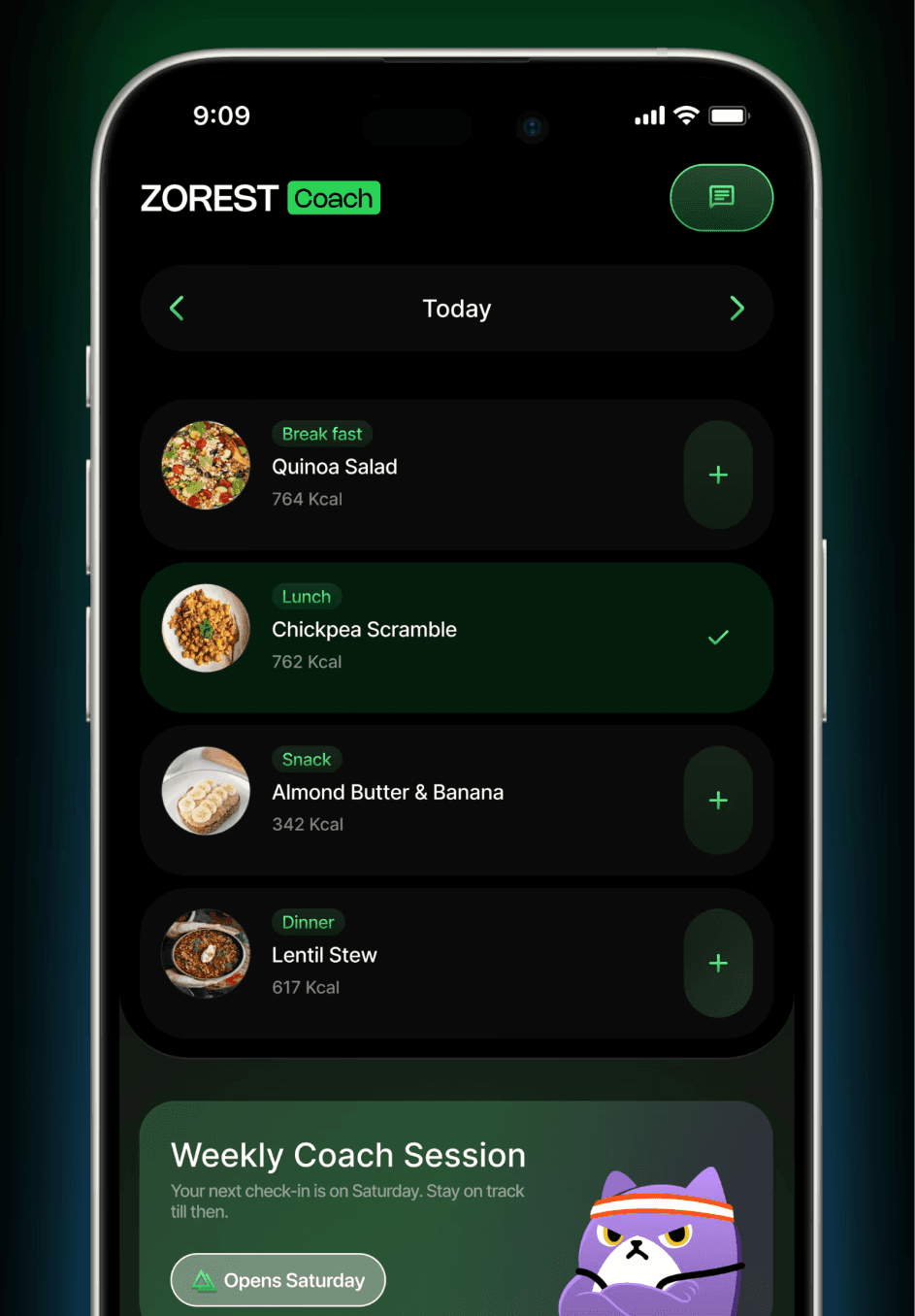
Zorest Macro's Daily Meal Planner works differently. Each day, it generates a personalized meal plan based on your actual progress data: what you ate today, where you landed on macros, and what your goal requires tomorrow. If you're 40 grams short on protein for the day, tomorrow's plan accounts for that. If you ate at a restaurant and your fat intake ran high, the next-day plan recalibrates accordingly.
This is the practical difference between a template and an adaptive system. Templates tell you what the plan says. An adaptive system tells you what you specifically need, given what you've actually done.
By using Zorest Macro's Daily Meal Planner alongside consistent logging, you can maintain far tighter macro adherence without having to manually calculate catch-up adjustments every time life doesn't go to plan. And it rarely does.
What Zorest Macro doesn't pretend to be
To be direct: Zorest Macro is not the tracker with the widest database for obscure packaged foods. It's not the choice for someone who wants social features and community leaderboards. And it's not a free tool with a begrudging premium option.
It's built for people who are serious about making consistent progress and want a system that actively helps them do that, rather than a diary they have to maintain on their own. The distinction sounds subtle. In practice, it determines whether you actually reach your goal.
Final thoughts
The calorie tracking space has been dominated for years by apps that do one thing: record your food intake. They do it reasonably well. But recording what you eat and understanding what to do with that information are different problems, and traditional trackers only solve the first one.
Zorest Macro was designed with both problems in mind: fast, accurate logging that fits how you actually eat, and AI-powered coaching that turns your data into specific guidance. That combination is what makes it different.
If you're already tracking and feel like you're putting in the work without seeing results, the issue usually isn't your effort. It's the gap between the data you're collecting and the guidance you're getting from it.
Got questions? Ping me on LinkedIn.