طبيبة مقيمة في الطب النفسي، MD، MBBS
شارك هذه القصة
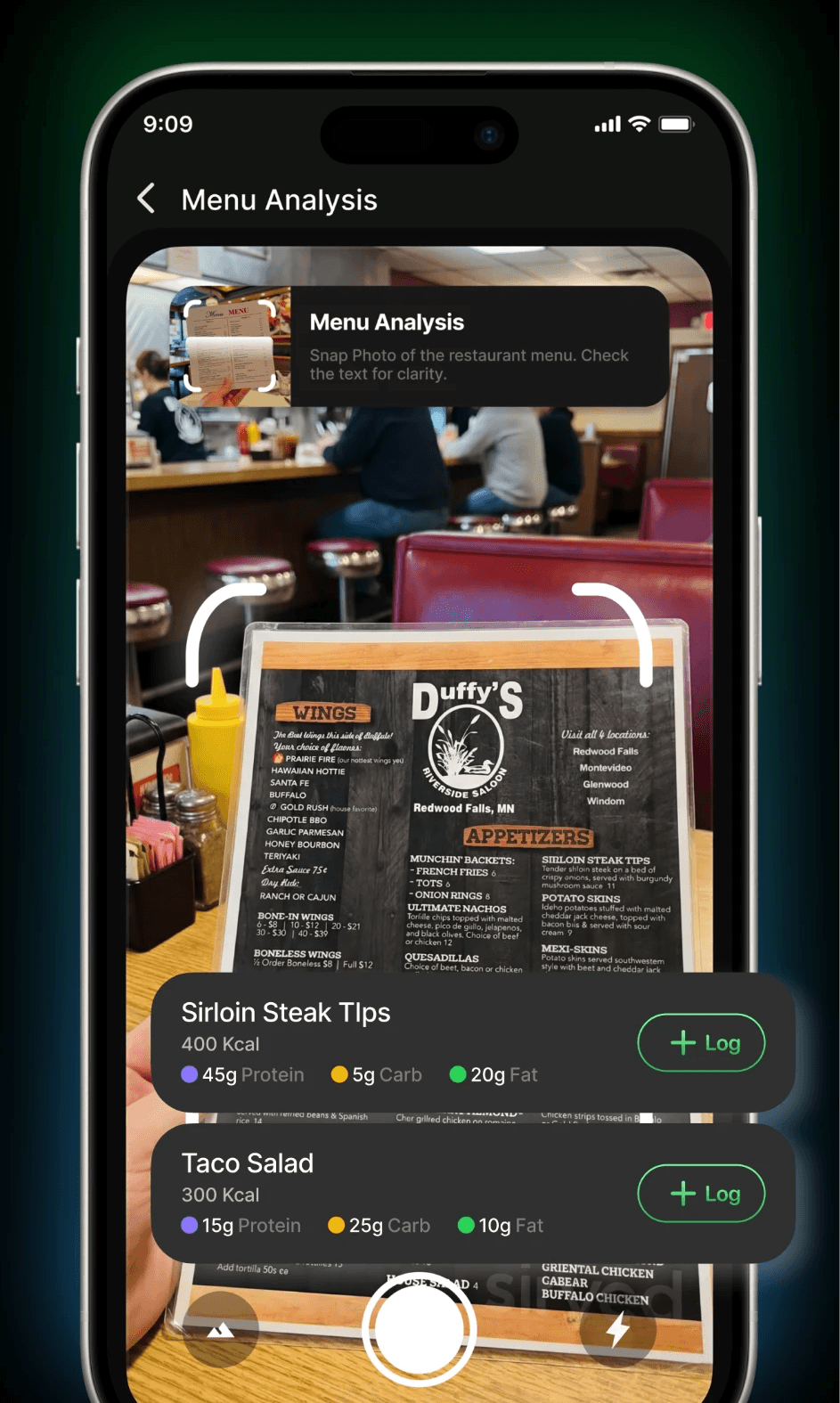
Most people can track breakfast at home with reasonable accuracy. Restaurant meals are a different story.
A grilled chicken sandwich that looks like 500 calories might actually contain 900. A salad can have more calories than a burger if it's loaded with dressing, cheese, and toppings. Even experienced calorie trackers often underestimate restaurant meals by 20–50%.
The good news? You don't need perfect accuracy. You need a repeatable system that gets you close enough to make consistent progress.
In this guide, I'll show you exactly how I track restaurant meals, estimate portions, and avoid the biggest mistakes that derail calorie and macro tracking.
Understand why restaurant meals are difficult to track
Bottom line: Restaurants optimize for taste, not nutritional transparency.
When you cook at home, you know exactly how much oil, butter, cheese, and sauce goes into your food. At restaurants, many ingredients are hidden.
A few common examples:
One tablespoon of olive oil contains about 120 calories.
Restaurants often use multiple tablespoons per dish.
Sauces, dressings, and marinades can add hundreds of calories.
Portion sizes are usually much larger than standard serving sizes.
I've tracked meals for years, and one lesson stands out: restaurant calories are almost always higher than they appear.
This doesn't mean you should avoid eating out. It simply means you need a smarter tracking strategy.
Start with the restaurant's nutrition information
Bottom line: Official nutrition data is always your best option.
Many large restaurant chains publish nutrition information online. Before guessing, check whether the restaurant provides calorie and macro details.
Popular chains often list:
Calories
Protein
Carbohydrates
Fat
Serving sizes
Examples include fast-food restaurants, coffee chains, and many casual dining brands.
If nutrition information exists, use it directly in your food tracker rather than relying on user-submitted entries.
This is the closest you'll get to accurate tracking without weighing the food yourself.
Break the meal into individual components
Bottom line: Track ingredients separately instead of logging the meal as one item.
Many food trackers contain generic entries such as:
Chicken Alfredo
Beef Burrito
Club Sandwich
The problem is that these entries vary wildly between restaurants.
Instead, break meals into components:
A burger meal becomes:
Bun
Beef patty
Cheese
Sauce
Vegetables
A chicken rice bowl becomes:
Grilled chicken
Rice
Vegetables
Sauce
Toppings
This approach gives you much greater accuracy.
For example, if the restaurant serves double meat or extra sauce, you can adjust only that component instead of guessing the entire meal.
Learn basic portion-size estimation
Bottom line: Your eyes can become surprisingly accurate with practice.
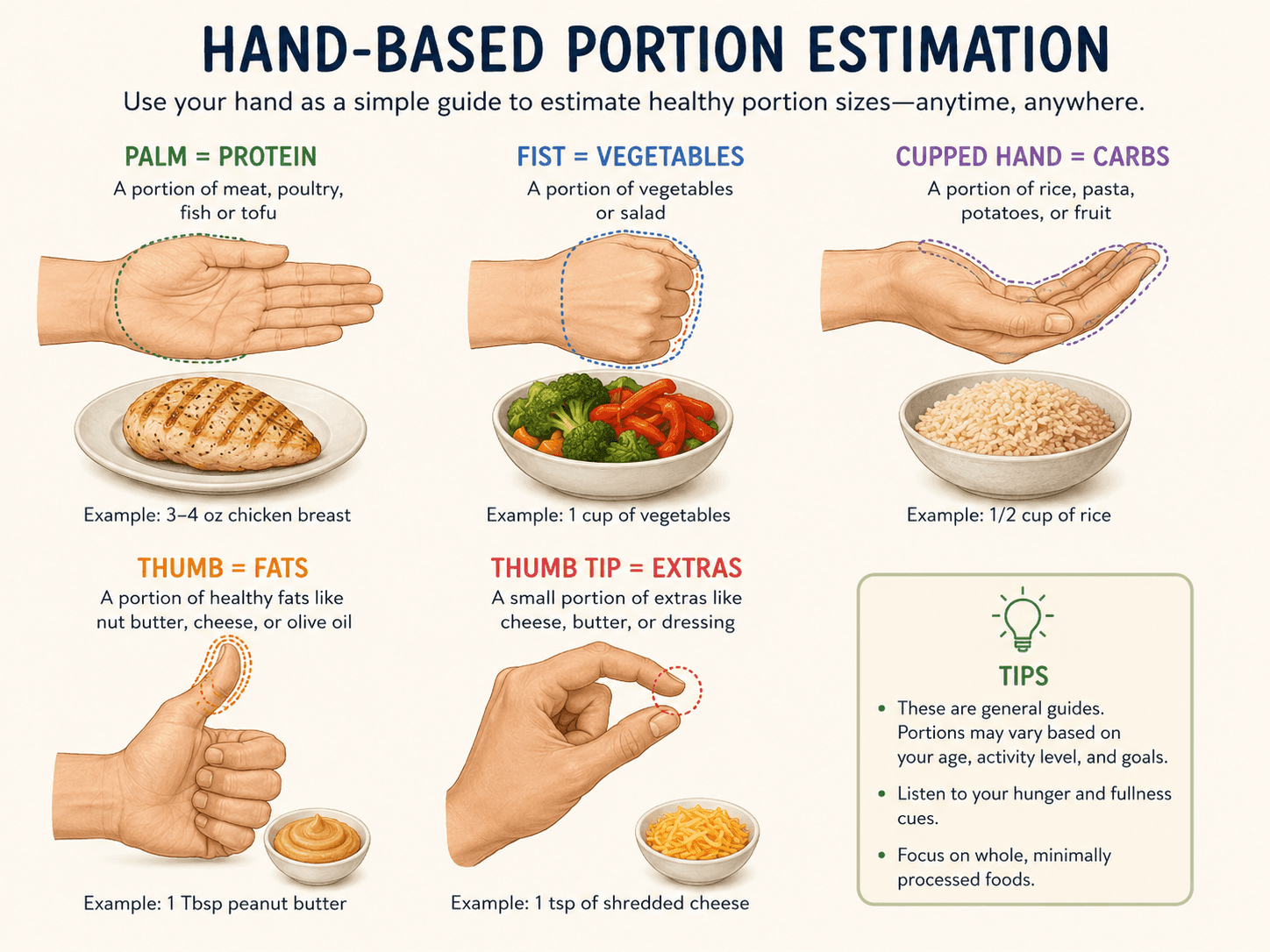
Since most restaurants don't provide weights, portion estimation is one of the most valuable skills for successful tracking.
Useful visual references:
Food | Approximate Portion |
Meat or fish | Palm-sized = 3-4 oz |
Cheese | Thumb-sized = 1 oz |
Rice or pasta | Fist-sized = 1 cup |
Peanut butter | Thumb tip = 1 tablespoon |
Potato | Computer mouse size |
When I'm unsure, I slightly overestimate rather than underestimate.
A small tracking error won't ruin progress. Consistently underestimating will.
Pay special attention to oils, sauces, and dressings
Bottom line: Hidden fats are responsible for most tracking mistakes.
People tend to focus on protein, carbs, and visible ingredients.
The real calorie bombs are often:
Butter
Cooking oil
Mayonnaise
Cream sauces
Salad dressings
Aioli
Cheese sauces
For example:
One tablespoon of ranch dressing: ~130 calories
One tablespoon of mayonnaise: ~100 calories
One tablespoon of butter: ~100 calories
I've seen salads exceed 1,000 calories simply because of dressing and toppings.
When tracking restaurant meals, always account for sauces separately.
If you're unsure, assume more rather than less.
Use similar verified foods when exact entries don't exist
Bottom line: Find the closest match instead of chasing perfection.
Not every restaurant meal exists in your food database.
If you order:
A local restaurant burger
A family-owned pasta dish
A custom rice bowl
You may need to use comparable entries.
Look for:
Similar ingredients
Similar portion size
Similar cooking method
For example, if a local burger looks comparable to a major chain burger, using the chain's nutrition data can provide a solid estimate.
Remember, calorie tracking is a long-term consistency game—not a precision science experiment.
Adjust for restaurant cooking methods
Bottom line: Cooking style dramatically affects calories.
Two identical foods can have very different calorie counts depending on preparation.
Consider:
Method | Calorie Impact |
Grilled | Lower |
Baked | Lower |
Roasted | Moderate |
Stir-fried | Higher |
Deep-fried | Highest |
For example:
Grilled chicken breast: ~165 calories per 100g
Fried chicken breast: significantly higher due to breading and oil
Always factor cooking methods into your estimates.
Use restaurant meal analysis tools
Bottom line: Technology can reduce guesswork.
One of the biggest challenges with restaurant tracking is figuring out what is actually in a meal.
This is where tools can help.
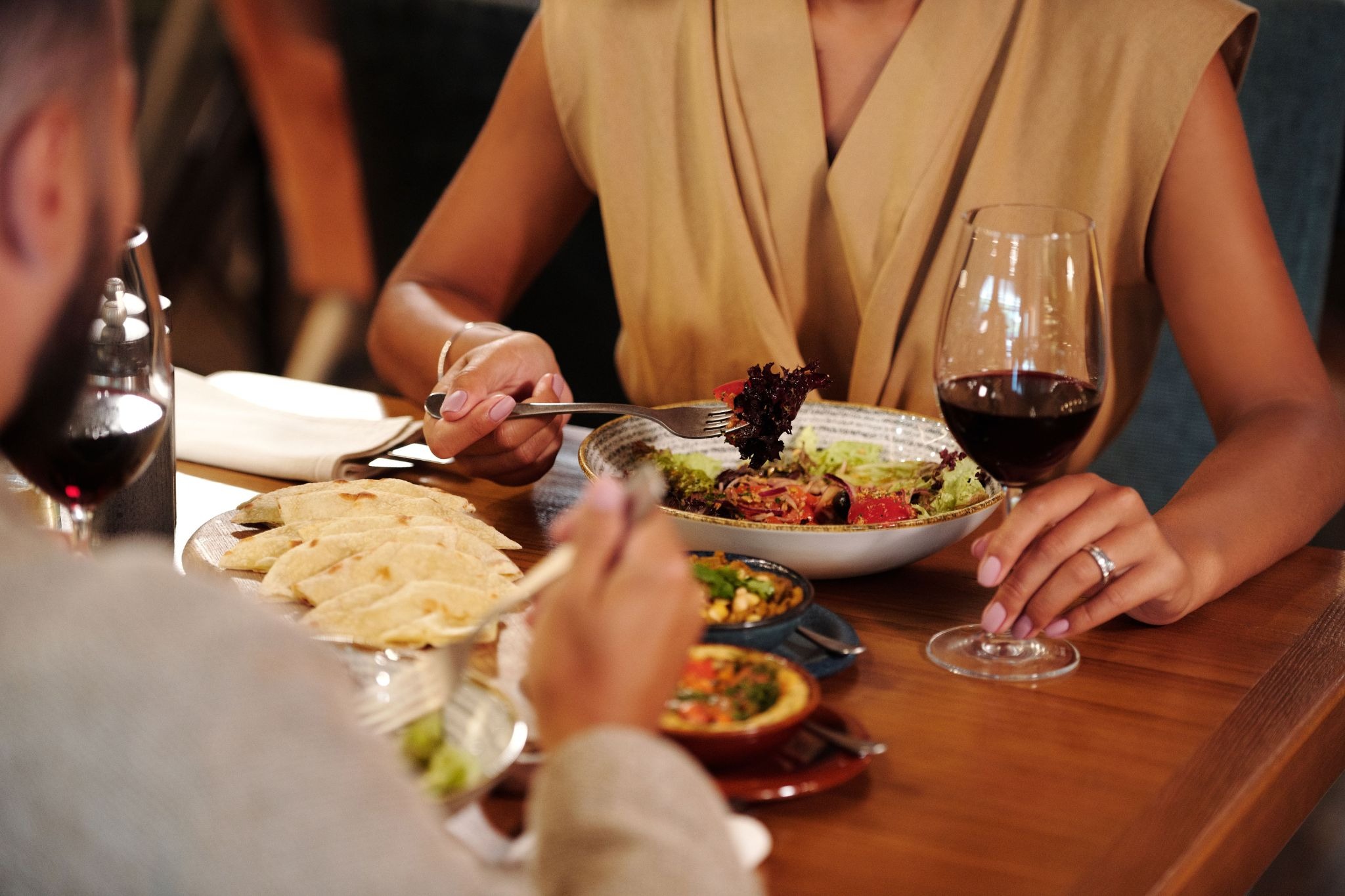
For example, Zorest Macro includes a Restaurant Menu Analyzer that allows users to upload or scan a restaurant menu and receive estimated nutrition information along with goal-based suggestions.
Instead of manually searching for every ingredient, you can get a nutritional breakdown before ordering.
This is especially useful when eating at independent restaurants that don't publish nutrition information.
Focus on consistency instead of perfection
Bottom line: A good estimate beats an abandoned tracking streak.
Many people quit tracking because they become obsessed with precision.
Here's the reality:
You don't need 100% accuracy.
You need:
Consistent logging
Reasonable estimates
Honest portion assessment
Long-term adherence
If you're within 10–20% of the true value most of the time, you're doing better than the majority of people trying to lose fat or improve body composition.
The biggest mistake isn't imperfect tracking.
It's not tracking at all.
Common restaurant tracking mistakes
Bottom line: Avoid these errors and you'll already outperform most people.
Ignoring cooking oil
Many people log the chicken and forget the oil it was cooked in.
Skipping sauces
Sauces often contain more calories than expected.
Choosing the lowest-calorie database entry
People naturally select the entry that looks best.
Choose the most realistic option instead.
Forgetting beverages
Soft drinks, alcohol, milkshakes, and specialty coffees can add hundreds of calories.
Logging meals hours later
Track as soon as possible while details are fresh.
Final thoughts
Restaurant meals don't have to destroy your calorie-tracking efforts.
The key is building a repeatable estimation system. Use official nutrition information whenever possible, break meals into components, account for hidden fats, and rely on consistent estimates rather than chasing perfection.
After years of tracking, I've found that people who stay consistent with restaurant logging almost always outperform people who try to be perfectly accurate.
Progress comes from trends, not individual meals.