
طبيبة مقيمة في الطب النفسي، MD، MBBS
شارك هذه القصة
Swimming is one of the few exercises that trains your heart, lungs, and muscles at the same time. It’s low-impact, joint-friendly, and surprisingly effective for burning calories.
But how many calories does swimming actually burn?
The answer depends on your weight, swimming stroke, speed, and workout duration. A leisurely swim and an intense butterfly session can differ by hundreds of calories per hour.
In this guide, I'll break down how many calories swimming burns, what affects your calorie expenditure, and how to maximize your results in the pool. The structure of this guide follows Zorest AI's content framework for comprehensive, action-oriented fitness content.
How many calories does swimming burn?
Bottom line: Most people burn between 200 and 900 calories per hour swimming, depending on intensity and stroke.
Here are rough estimates for a 155-pound (70 kg) person:
Swimming Activity | Calories Burned Per Hour |
Leisurely swimming | 400–500 |
Moderate freestyle | 500–700 |
Vigorous freestyle | 700–900 |
Backstroke | 450–650 |
Breaststroke | 600–800 |
Butterfly | 700–1,000+ |
Water aerobics | 250–450 |
The harder your body works against the water, the more calories you burn. Water creates significantly more resistance than air, which is one reason swimming can feel challenging even when your joints feel fine.
What affects how many calories you burn while swimming?
Bottom line: Your weight, intensity, stroke choice, and fitness level have the biggest impact.
Body weight
Heavier individuals generally burn more calories because moving a larger body requires more energy.
For example:
A 125-pound person may burn around 400 calories per hour during moderate swimming.
A 185-pound person could burn over 600 calories during the same session.
Swimming intensity
A casual lap session burns fewer calories than interval training.
I often compare it to driving a car. Cruising at a steady speed uses less fuel than repeatedly accelerating and braking. Your body works similarly.
Swimming stroke
Not all strokes are equal.
Butterfly typically burns the most calories because it recruits nearly every major muscle group while demanding significant cardiovascular effort.
Freestyle, breaststroke, and backstroke generally follow behind.
Swimming efficiency
Beginners often burn more calories because their movements are less efficient.
As technique improves, swimming becomes easier. This is great for performance but means you may need longer sessions or higher intensity to maintain the same calorie burn.
Calories burned by different swimming strokes
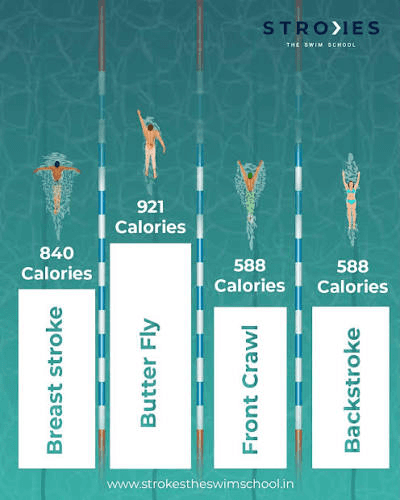
Bottom line: Butterfly and breaststroke generally burn the most calories, while backstroke tends to burn slightly less.
Freestyle
Freestyle is the most popular swimming stroke.
Benefits include:
High calorie burn
Easy to sustain for long periods
Excellent cardiovascular training
Efficient full-body workout
A moderate freestyle session typically burns 500–700 calories per hour.
Breaststroke
Breaststroke requires powerful leg kicks and strong upper-body coordination.
Many swimmers are surprised by how demanding it can be.
Estimated calorie burn:
600–800 calories per hour
Backstroke
Backstroke is gentler on the shoulders and neck while still providing a solid workout.
Estimated calorie burn:
450–650 calories per hour
Butterfly
Butterfly is often considered the most physically demanding competitive stroke.
Estimated calorie burn:
700–1,000+ calories per hour
Most recreational swimmers can only sustain butterfly for short intervals, which says a lot about its intensity.
How many calories does swimming burn in 30 minutes?
Bottom line: Most people burn between 200 and 450 calories during a 30-minute swim.
Approximate estimates:
Swimming Style | Calories Burned in 30 Minutes |
Leisurely swim | 200–250 |
Moderate freestyle | 250–350 |
Vigorous freestyle | 350–450 |
Breaststroke | 300–400 |
Butterfly | 350–500 |
For busy people, a focused 30-minute swim can deliver similar calorie expenditure to many gym workouts.
Swimming vs running: which burns more calories?
Bottom line: Running often burns slightly more calories per minute, but swimming provides unique advantages.
For a 155-pound person:
Activity | Calories Per Hour |
Running (6 mph) | ~700 |
Vigorous swimming | ~700–900 |
Moderate swimming | ~500–700 |
Swimming offers several benefits:
Minimal joint stress
Full-body muscle engagement
Reduced injury risk
Excellent cardiovascular conditioning
I often recommend swimming to people recovering from injuries or carrying excess body weight because it's easier on the knees, hips, and ankles.
Does swimming help with weight loss?
Bottom line: Yes, swimming can absolutely support weight loss when combined with a calorie deficit.
Weight loss occurs when you consistently burn more calories than you consume.
Swimming helps by:
Increasing calorie expenditure
Improving cardiovascular fitness
Building and maintaining muscle
Making exercise sustainable
However, many swimmers underestimate how hungry they become after training.
I've seen people burn 500 calories in the pool and then accidentally consume 800 calories afterward because they feel ravenous.
This is why tracking both exercise and food intake matters.
Tips to increase calorie burn while swimming
Bottom line: Small changes in workout structure can dramatically increase calorie expenditure.
Swim faster intervals
Alternating hard and easy laps boosts overall intensity.
Example:
1 fast lap
1 recovery lap
Repeat for 20–30 minutes
This approach often burns more calories than maintaining the same pace throughout the workout.
Reduce rest periods
Many recreational swimmers spend a surprising amount of time resting at the wall.
Shortening rest intervals increases your total workload.
Use multiple strokes
Switching strokes challenges different muscle groups and prevents adaptation.
Try combining:
Freestyle
Breaststroke
Backstroke
Butterfly intervals
Increase total distance
A simple way to burn more calories is to swim longer.
If you currently swim 20 laps, gradually work toward 30 or 40.
Add swim equipment strategically
Tools such as:
Kickboards
Pull buoys
Swim fins
Paddles
can increase resistance and workload when used appropriately.
How to track calories burned from swimming
Bottom line: Estimates are useful, but tracking trends is more important than chasing perfect accuracy.
Fitness watches can provide rough swimming calorie estimates, but they aren't perfect.
For better results:
Track swim duration.
Record workout intensity.
Monitor body weight trends.
Compare progress over several weeks.
If your goal is fat loss, pairing exercise tracking with food tracking creates a much clearer picture.
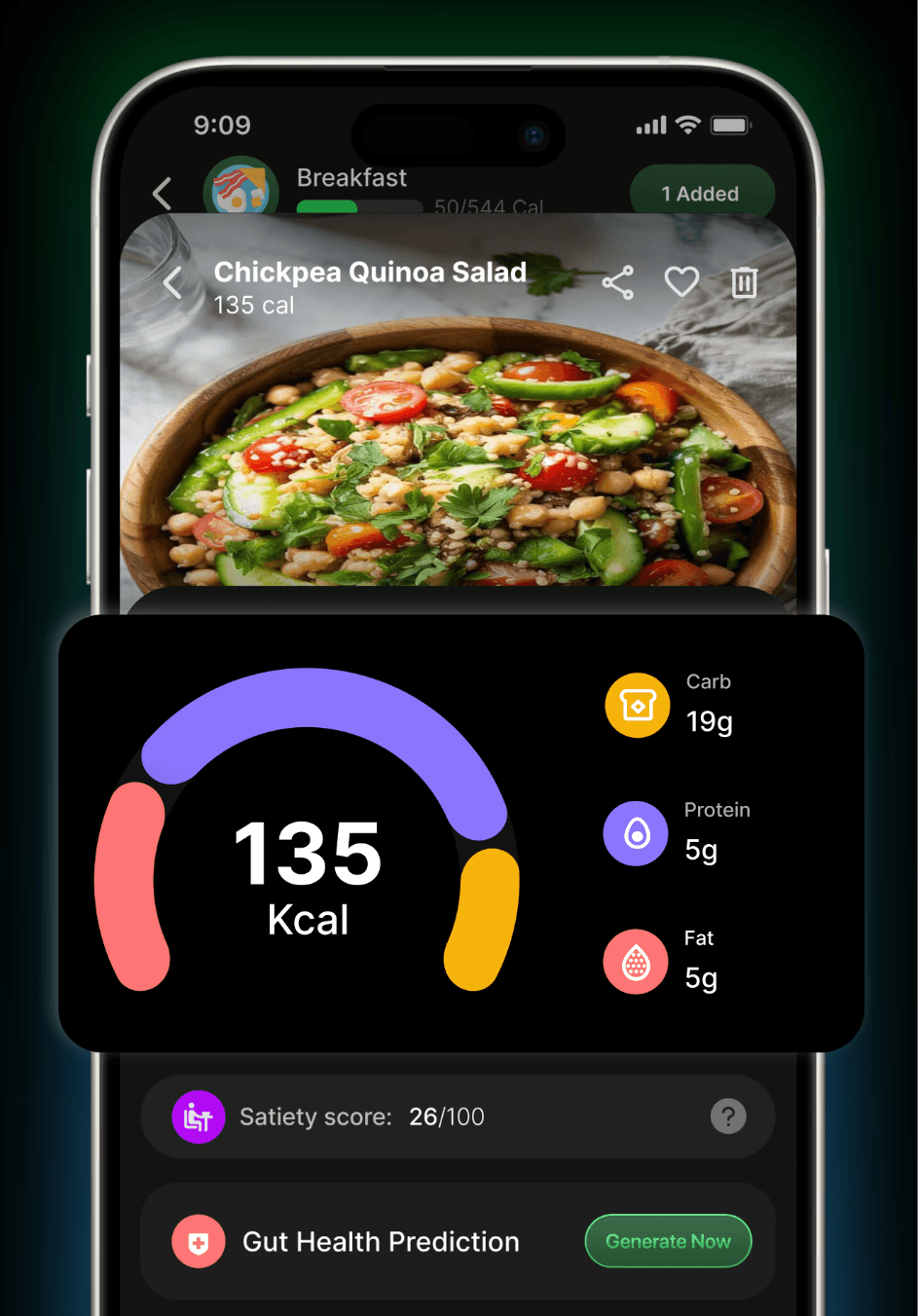
With Zorest Macro, you can log meals using text, voice, photos, barcodes, or nutrition labels from a database of over 1.9 million foods. This makes it easier to understand whether your swimming workouts are creating the calorie deficit needed for weight loss. The app's AI Meal Logger automatically calculates calories and macros without requiring manual math.
Common mistakes swimmers make
Bottom line: Many people overestimate calories burned and underestimate calories consumed.
Common pitfalls include:
Assuming every swim burns massive calories
A relaxed swim is still beneficial, but it won't burn 1,000 calories unless you're swimming hard for an extended period.
Ignoring nutrition
Exercise alone rarely compensates for poor eating habits.
Focusing only on calorie burn
Swimming improves:
Endurance
Heart health
Mobility
Recovery
Mental well-being
Those benefits matter just as much as calorie expenditure.
Final thoughts
Swimming is one of the most effective full-body workouts available.
Depending on your weight, stroke, and intensity, you can burn anywhere from 200 to over 1,000 calories per session. More importantly, swimming is sustainable, joint-friendly, and suitable for nearly every fitness level.
If your goal is weight loss, combine regular swimming with smart nutrition habits and consistent calorie tracking. Over time, those seemingly ordinary pool sessions can produce extraordinary results.