
طبيبة مقيمة في الطب النفسي، MD، MBBS
شارك هذه القصة
When people think about probiotic foods, yogurt, kefir, and kombucha usually steal the spotlight. Miso rarely makes the list, despite being one of the oldest fermented foods still eaten today.
That's a missed opportunity.
For centuries, Japanese cuisine has used miso as more than just a seasoning. Modern research suggests that its fermentation process creates beneficial compounds that may support digestion, nourish your gut microbiome, and even influence immune function. While miso isn't a miracle food, it can be a valuable addition to a diet that's already rich in fiber and minimally processed foods. (pmc.ncbi.nlm.nih.gov)
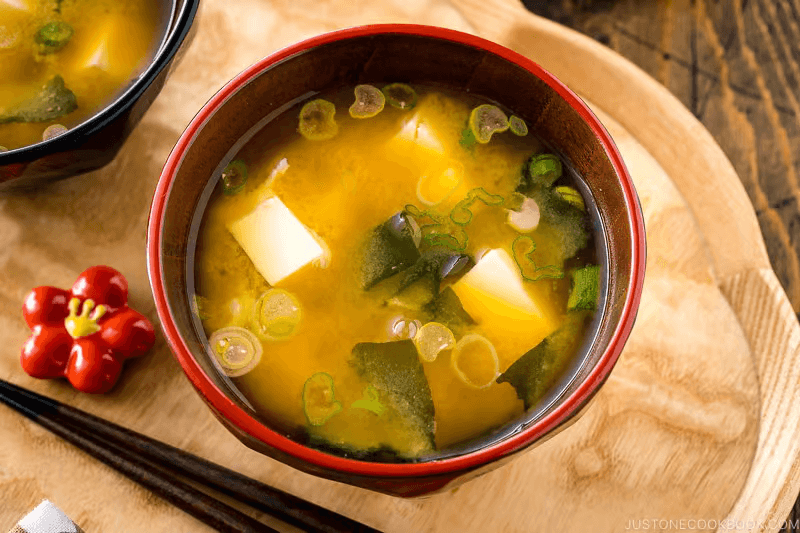
What is miso?
Miso is a fermented paste made primarily from soybeans, salt, and koji—a mold (Aspergillus oryzae) that starts the fermentation process. Depending on the variety, rice or barley may also be added.
The fermentation can last anywhere from a few weeks to several years. Longer fermentation creates darker, richer, and more intense flavors.
The most common varieties include:
White miso (Shiro): Mild, sweet, and fermented for a shorter time
Yellow miso (Shinshu): Balanced flavor suitable for everyday cooking
Red miso (Aka): Fermented longer with a deeper, saltier taste
Mixed miso (Awase): A blend designed to balance sweetness and richness
Although best known as the base for miso soup, it also works well in marinades, salad dressings, sauces, and roasted vegetables.
Why fermented foods matter for gut health
Bottom line: Fermentation transforms ordinary ingredients into foods that can support a healthier gut ecosystem.
Your digestive tract contains trillions of bacteria, fungi, and other microorganisms collectively known as the gut microbiome.
These microbes help:
Break down food
Produce vitamins
Support the immune system
Maintain the gut lining
Produce compounds that influence metabolism and even brain function
When the microbiome becomes less diverse, digestive issues and inflammation may become more common.
Fermented foods like miso introduce beneficial microbes and fermentation byproducts that may help maintain a healthier microbial balance. Research consistently associates diets rich in fermented foods with improved microbial diversity and digestive health, although responses vary from person to person. (pmc.ncbi.nlm.nih.gov)
How miso supports gut health
It provides beneficial microbes
The biggest reason miso receives attention is its fermentation.
Traditional, unpasteurized miso contains beneficial microorganisms that survive the fermentation process. These microbes may contribute to a healthier gut microbiome, especially when miso is consumed regularly as part of a balanced diet. (pmc.ncbi.nlm.nih.gov)
Not every container of miso contains live cultures, however.
Many commercial products are pasteurized, which improves shelf life but destroys most living microorganisms.
If you're buying miso for its probiotic potential, look for labels mentioning:
Unpasteurized
Live cultures
Refrigerated storage
Fermentation makes nutrients easier to absorb
Fermentation doesn't only produce probiotics.
It also partially breaks down proteins and carbohydrates, making certain nutrients easier to digest.
The fermentation process creates enzymes and amino acids—including glutamate, the compound responsible for miso's famous umami flavor.
This may explain why many people find fermented foods gentler on digestion than their non-fermented counterparts. (Healthline)
It may strengthen the gut barrier
Your intestinal lining acts as a protective wall between your digestive tract and the rest of your body.
Beneficial bacteria help maintain this barrier by producing substances that support intestinal cells and discourage harmful bacteria from taking over.
Studies suggest compounds created during miso fermentation may contribute to maintaining gut integrity and reducing inflammatory activity, although much of this research remains preliminary. (pmc.ncbi.nlm.nih.gov)
It may support immune health
Around 70% of the body's immune cells reside within tissues associated with the digestive tract.
That doesn't mean eating one bowl of miso soup boosts immunity overnight.
Instead, maintaining a healthy microbiome appears to help regulate immune responses over time. Since fermented foods contribute to microbial diversity, they may indirectly support normal immune function. (Health)
It adds beneficial plant compounds
Beyond probiotics, miso contains:
Isoflavones from soybeans
Small amounts of B vitamins
Minerals including manganese and copper
Antioxidants formed during fermentation
These compounds may help reduce oxidative stress and support overall health alongside their potential digestive benefits. (pmc.ncbi.nlm.nih.gov)
Miso isn't only about probiotics
Many people assume probiotics are the entire story.
They aren't.
Fermentation creates hundreds of bioactive compounds that researchers continue studying. Some may influence inflammation, while others appear to interact with the gut microbiome in ways that extend beyond simply adding bacteria.
In other words, miso is valuable because fermentation changes the food itself—not just because it contains microbes.
Does hot miso soup kill probiotics?
This is probably the most common question people ask.
The answer is: sometimes.
High temperatures can destroy live probiotic bacteria.
If you boil miso for several minutes, many of its live microorganisms won't survive.
A better approach is to:
Heat your broth first.
Remove it from direct heat.
Stir in the miso paste just before serving.
You'll still enjoy the flavor either way, but adding miso at the end better preserves any live cultures present in unpasteurized products. (Healthline)
How much miso should you eat?
There's no official recommended daily intake.
For most healthy adults, 1–2 tablespoons per day is generally enough to enjoy its flavor and nutritional benefits.
Since miso is naturally high in sodium, moderation is important.
One tablespoon may contain between 500–700 mg of sodium, depending on the brand.
If you have:
High blood pressure
Kidney disease
Heart failure
A medically prescribed low-sodium diet
Speak with your healthcare provider before making miso a daily habit. (Health)
Easy ways to add miso to your meals
You don't need to drink miso soup every day.
Try using it in:
Homemade salad dressings
Marinades for salmon or chicken
Stir-fries
Roasted vegetables
Grain bowls
Noodle dishes
Mashed potatoes for extra umami
Mushroom sauces
Because it's intensely savory, a small amount often replaces larger amounts of salt.
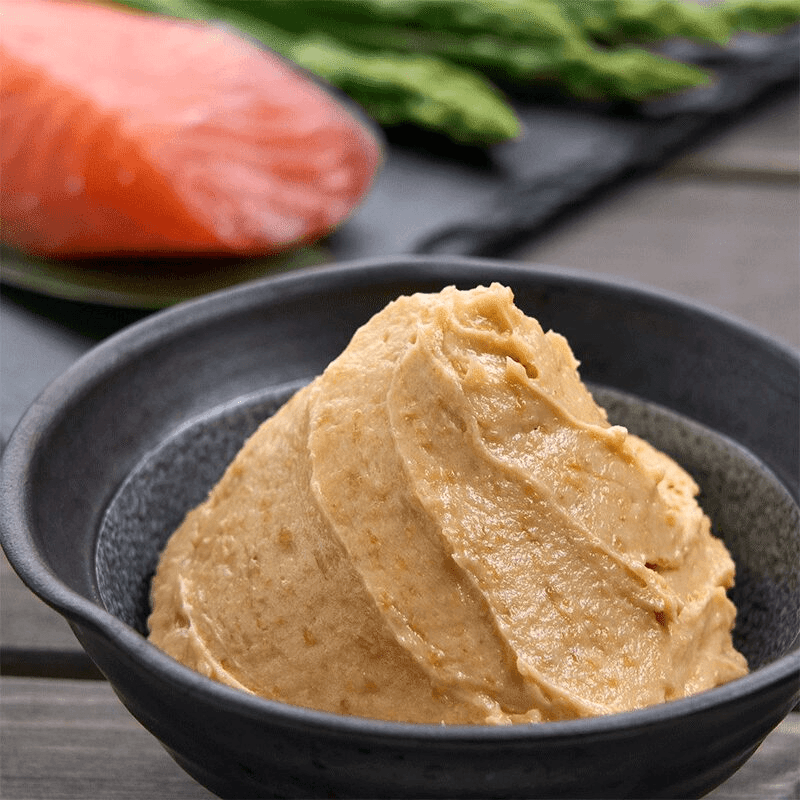
Common myths about miso
"Miso is too salty to be healthy."
Miso is high in sodium, but people typically eat small portions. Research suggests fermented soy foods may have health effects that differ from consuming equivalent amounts of table salt alone, though sodium intake still matters. (Health)
"All miso contains probiotics."
Not necessarily.
Pasteurized miso loses most live bacteria.
Choose refrigerated, unpasteurized products if probiotics are your goal.
"More miso means better gut health."
Gut health depends on your overall dietary pattern.
Eating miso while consuming very little fiber won't produce the same benefits as combining it with vegetables, legumes, fruits, whole grains, and other fermented foods.
Other foods that complement miso for gut health
Instead of relying on a single "superfood," build a diverse gut-friendly diet.
Great companions to miso include:
Yogurt with live cultures
Kefir
Kimchi
Sauerkraut
Tempeh
Natto
Oats
Beans
Lentils
Garlic
Onions
Bananas
Apples
Fiber feeds your existing gut bacteria, while fermented foods help diversify your microbial environment.
Together, they work better than either alone. (Vogue)
Who should be cautious with miso?
Miso is nutritious for most people, but it isn't ideal for everyone.
You may need to limit or avoid it if you have:
A soy allergy
Certain gluten sensitivities (unless using certified gluten-free miso)
Severe sodium restrictions
Specific kidney conditions requiring reduced sodium intake
Reading labels carefully is always worthwhile because ingredients vary between brands.
Final thoughts
Miso has earned its reputation as a gut-friendly food through centuries of traditional use and growing scientific interest.
Its biggest strengths aren't limited to probiotics. Fermentation also produces enzymes, antioxidants, amino acids, and other beneficial compounds that may support digestion and overall health. While it's not a cure-all, regularly including moderate amounts of traditional miso alongside plenty of fiber-rich foods can help create a more diverse, resilient gut microbiome.
Think of miso as one piece of a much larger puzzle. Your gut thrives on variety, consistency, and a diet rich in whole foods—not on any single ingredient.