طبيبة مقيمة في الطب النفسي، MD، MBBS
شارك هذه القصة
A 500-calorie meal sounds restrictive. Many people assume it means eating tiny portions, staying hungry, and giving up foods they enjoy.
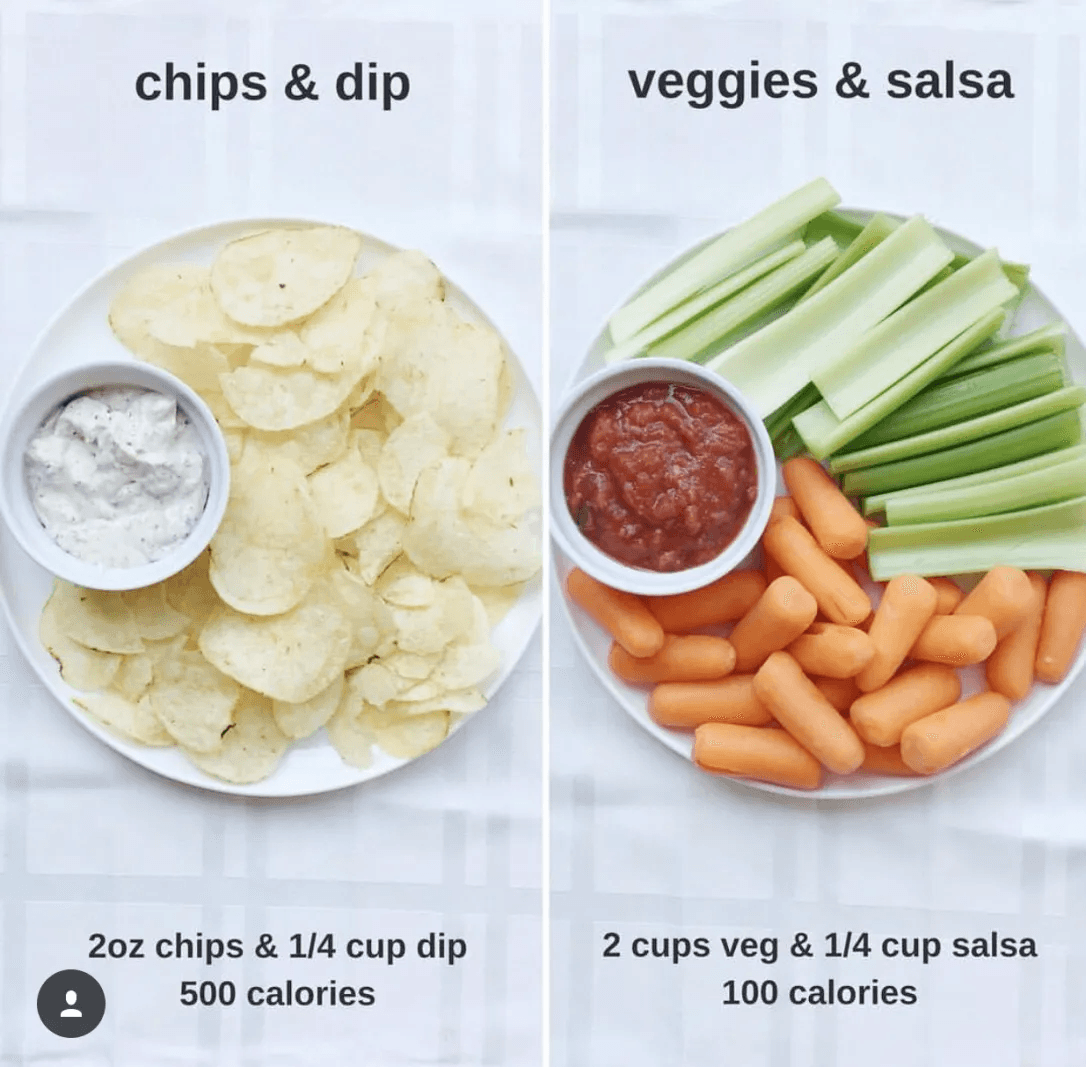
In reality, a well-designed 500-calorie meal can be surprisingly filling. The difference lies in what makes up those calories. Protein, fiber, healthy fats, and high-volume foods can leave you satisfied while helping create the calorie deficit needed for weight loss.
This guide explains when 500-calorie meals make sense, who they work best for, how to build them, and mistakes to avoid.
What is a 500-calorie meal?
A 500-calorie meal contains approximately 500 calories regardless of the foods included.
That number alone doesn't determine whether a meal is healthy. Two meals with identical calories can affect hunger, energy levels, and nutrition very differently.
For example:
Balanced 500-calorie meal
5 oz grilled chicken breast
1 cup brown rice
Roasted broccoli
Mixed salad with olive oil vinaigrette
Approximate nutrition:
40g protein
45g carbohydrates
15g healthy fat
Plenty of fiber and micronutrients
Processed 500-calorie meal
Cheeseburger
Small soda
Approximate nutrition:
Less protein
Minimal fiber
High saturated fat
High added sugar
Both contain roughly the same calories, but the first meal keeps most people full much longer.
Can 500-calorie meals help you lose weight?
Yes—if they fit within your daily calorie needs.
Weight loss ultimately depends on maintaining a calorie deficit, meaning you consistently consume fewer calories than your body burns.
For example:
Breakfast: 400 calories
Lunch: 500 calories
Dinner: 500 calories
Snack: 200 calories
Daily intake = 1,600 calories
If your maintenance calories are around 2,100, this creates roughly a 500-calorie daily deficit, which may lead to gradual fat loss over time.
However, eating three 500-calorie meals doesn't automatically produce weight loss. Someone with higher calorie needs may require larger meals, while another person may need fewer calories overall.
The meal size is only one piece of the equation.
Why some 500-calorie meals feel satisfying
The goal isn't simply eating fewer calories—it's staying full enough to remain consistent.
Several nutrients make a significant difference.
Protein
Protein is the most filling macronutrient.
It also helps preserve muscle during weight loss, especially when combined with resistance training.
Aim for 25–40 grams of protein in each meal whenever possible.
Good options include:
Chicken breast
Turkey
Fish
Greek yogurt
Cottage cheese
Eggs
Tofu
Tempeh
Fiber
Fiber slows digestion and increases fullness.
High-fiber foods include:
Vegetables
Beans
Lentils
Oats
Whole grains
Fruits
Adding vegetables often doubles the volume of a meal without dramatically increasing calories.
Healthy fats
Healthy fats improve flavor and help meals feel satisfying.
Examples include:
Avocado
Olive oil
Nuts
Seeds
Since fats are calorie-dense, portion size matters.
High-volume foods
High-volume foods contain lots of water and fiber while remaining relatively low in calories.
Examples:
Cucumbers
Tomatoes
Spinach
Mushrooms
Cauliflower
Zucchini
Watermelon
Strawberries
These foods make plates look—and feel—much bigger.
Sample 500-calorie meals
High-protein breakfast
2 eggs
Egg whites
Whole-grain toast
Greek yogurt
Berries
Approximate calories: 490
Protein: 35g
Balanced lunch
Grilled chicken breast
Brown rice
Steamed broccoli
Olive oil drizzle
Approximate calories: 505
Protein: 42g
Vegetarian dinner
Lentil curry
Quinoa
Mixed vegetables
Plain yogurt
Approximate calories: 500
Protein: 28g
Mediterranean-inspired meal
Salmon
Roasted vegetables
Sweet potato
Side salad
Approximate calories: 510
Protein: 38g
Who benefits most from 500-calorie meals?
Many people find them useful because they're easy to plan.
They work especially well for:
People aiming for gradual weight loss
Busy professionals who meal prep
Individuals learning portion control
Those following a structured calorie target
Having meals of similar calorie values also makes daily planning much simpler.
When 500-calorie meals may not be enough
Not everyone should aim for meals this size.
Athletes, highly active individuals, pregnant women, adolescents, and people recovering from illness often need considerably more calories.
Likewise, someone eating only three 500-calorie meals consumes about 1,500 calories daily, which may be too little for many adults.
Listen to hunger signals and consult a healthcare professional or registered dietitian if you're unsure about your calorie needs.
Common mistakes people make
Ignoring protein
Meals built mostly from refined carbohydrates often leave you hungry again within an hour or two.
Drinking calories
Sugary coffee drinks, juices, and sodas can add hundreds of calories without increasing fullness.
Water, sparkling water, or unsweetened tea are better everyday choices.
Skipping vegetables
Vegetables provide volume, fiber, vitamins, and minerals for relatively few calories.
Half your plate should ideally consist of vegetables during lunch and dinner.
Estimating portions
Even healthy foods can become calorie-dense when portions grow larger than expected.
Using a food scale occasionally helps improve portion awareness.
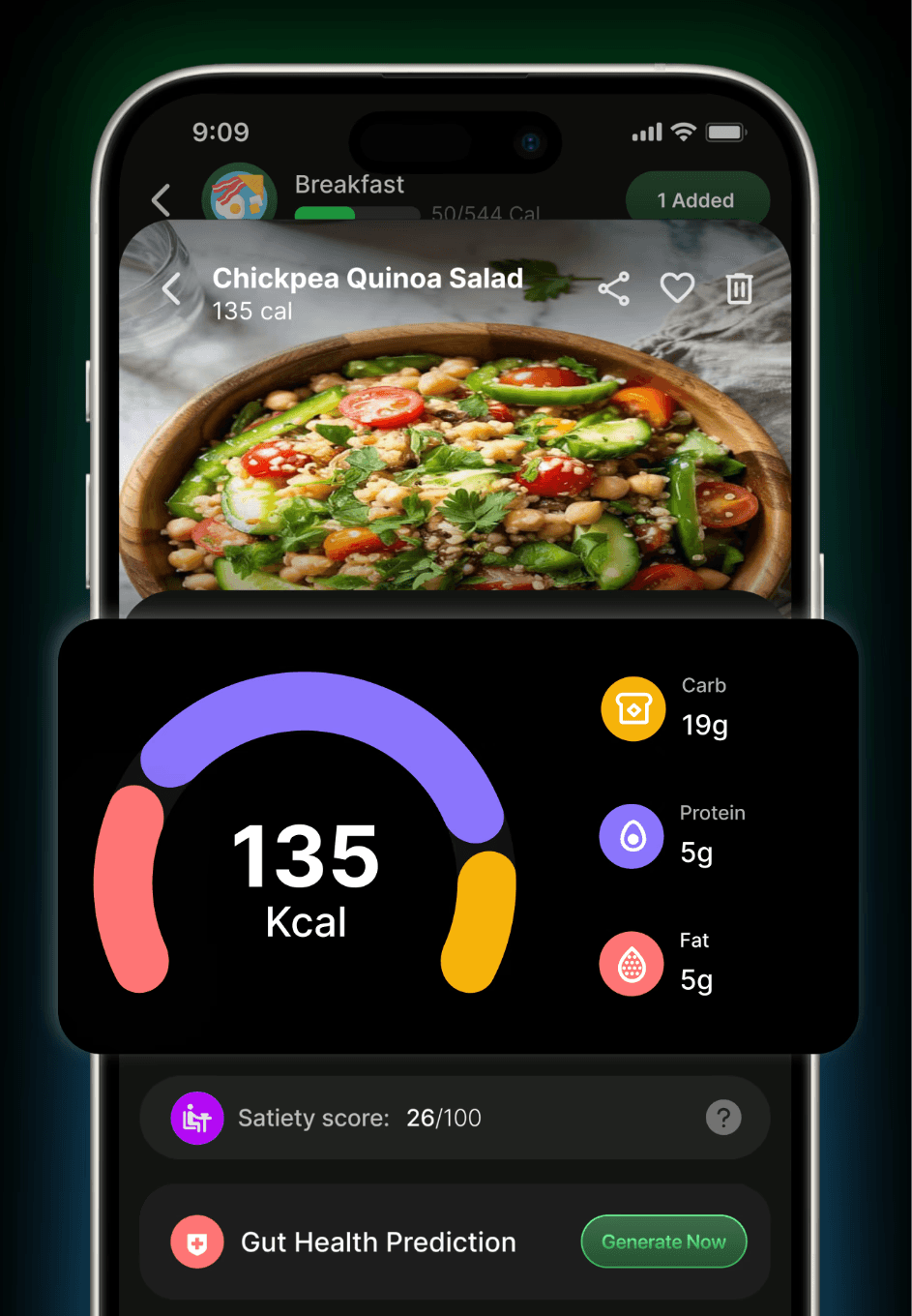
If you struggle to estimate calories, apps like Zorest Macro simplify the process. You can log meals using text, voice, or a photo, and the AI Meal Logger estimates calories and macros automatically. It removes much of the guesswork without requiring manual calculations.
Tips for building better 500-calorie meals
A simple formula works well:
Fill half your plate with vegetables.
Include a palm-sized serving of lean protein.
Add one serving of whole grains or starchy vegetables.
Include a small amount of healthy fat.
Choose water or calorie-free drinks.
This combination supports fullness while keeping calories under control.
Frequently asked questions
Is 500 calories per meal enough?
For many adults, yes—as part of a balanced daily calorie intake. Individual needs vary depending on age, activity level, body size, and goals.
Can I eat snacks?
Absolutely.
Many successful weight-loss plans include two or three meals plus one or two healthy snacks.
Will I lose weight eating three 500-calorie meals?
Only if your total daily calorie intake remains below your maintenance calories.
Can I eat restaurant meals?
Yes, although restaurant portions often exceed 500 calories. Checking nutrition information beforehand or estimating portions can help.
Final thoughts
A 500-calorie meal isn't a magic number, but it can be a practical framework for weight loss when paired with balanced nutrition and an appropriate daily calorie target.
The real secret isn't eating less—it's eating smarter. Prioritizing protein, fiber, vegetables, and minimally processed foods makes 500 calories go much further than relying on convenience foods.
If you focus on meal quality instead of calorie numbers alone, you'll likely find it easier to stay satisfied, consistent, and successful over the long term.
Got questions? Ping me on LinkedIn.