
طبيبة مقيمة في الطب النفسي، MD، MBBS
شارك هذه القصة
Water weight can make you feel bloated, puffy, and heavier than usual—even when you haven't gained body fat. The good news is that water retention is often temporary, and simple lifestyle changes can help your body return to its normal fluid balance.
The key is understanding why you're holding onto extra water in the first place. Once you know the cause, you can choose strategies that actually work instead of chasing quick fixes.
What is water weight?
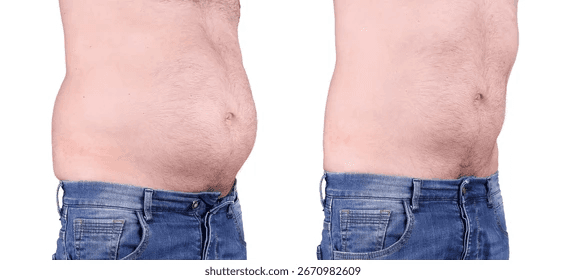
Water weight is the extra fluid your body stores in tissues, between cells, and inside your digestive system. Unlike body fat, which develops when you consume more calories than you burn, water weight can fluctuate dramatically within hours or days.
It's common to gain or lose 2–5 pounds (1–2 kg) of water in just a day depending on factors such as:
Sodium intake
Carbohydrate consumption
Hormonal changes
Exercise
Hydration
Stress
Sleep quality
This is why the number on the scale can change even if your body fat hasn't changed.
Why do people retain water?
Before trying to lose water weight, it's worth identifying what's causing it.
Eating too much sodium
Sodium helps regulate fluid balance, but eating excessive amounts causes your body to retain more water.
Common high-sodium foods include:
Fast food
Chips
Processed meats
Instant noodles
Frozen meals
Restaurant foods
The World Health Organization recommends consuming less than 2,000 mg of sodium per day (about 5 grams of salt).
https://www.who.int/news-room/fact-sheets/detail/sodium-reduction
Eating more carbohydrates
Every gram of glycogen (the stored form of carbohydrates) binds approximately 3 grams of water.
That's why people often lose several pounds during the first week of a low-carb diet—it isn't all fat. Much of the initial weight loss comes from depleted glycogen and the water attached to it.
Hormonal changes
Many women notice water retention before menstruation because hormonal fluctuations increase fluid retention.
Pregnancy, menopause, and certain medications can also contribute.
Sitting or standing too long
Poor circulation allows fluid to accumulate in the legs and feet.
This is common among office workers, travelers, nurses, and retail workers who spend long hours in one position.
Stress
Chronic stress raises cortisol levels, which can affect sodium balance and encourage fluid retention.
Certain medical conditions
Persistent swelling may result from:
Kidney disease
Heart failure
Liver disease
Thyroid disorders
Certain medications
If swelling appears suddenly or becomes severe, seek medical evaluation.
Best ways to lose water weight
The safest methods focus on restoring your body's natural fluid balance rather than forcing dehydration.
Drink more water
It sounds backward, but dehydration often causes your body to hold onto water.
Adequate hydration helps your kidneys remove excess sodium and waste products more efficiently.
Most healthy adults should aim for enough fluids to keep urine pale yellow, though needs vary based on activity level and climate.
Reduce sodium intake
One of the fastest ways to reduce bloating is lowering sodium consumption.
Instead of processed foods, choose:
Fresh vegetables
Fruits
Lean proteins
Whole grains
Homemade meals
Even a few days of lower sodium intake can noticeably reduce water retention.
Eat potassium-rich foods
Potassium helps balance sodium levels and supports healthy fluid regulation.
Good sources include:
Bananas
Potatoes
Sweet potatoes
Spinach
Avocados
Yogurt
Beans
Increasing potassium through food is generally preferred over supplements unless prescribed.
Exercise regularly
Exercise helps move excess fluid through sweat and improves circulation.
Even a brisk 30-minute walk can reduce mild swelling in the feet and legs.
Strength training and cardio both help maintain healthy circulation.

Get enough sleep
Poor sleep raises stress hormones that influence fluid balance.
Adults should generally aim for 7–9 hours of quality sleep each night.
Improving sleep often reduces morning puffiness.
Manage carbohydrate intake
You don't need to eliminate carbohydrates.
However, after holidays or vacations with unusually high-carb meals, returning to your normal eating pattern usually reduces temporary water retention within several days.
Eat magnesium-rich foods
Some research suggests magnesium may reduce water retention, particularly in women experiencing premenstrual symptoms.
Magnesium-rich foods include:
Pumpkin seeds
Almonds
Cashews
Dark leafy greens
Whole grains
Speak with a healthcare provider before taking magnesium supplements.
Limit alcohol
Alcohol promotes dehydration initially but often causes the body to compensate by retaining water later.
Heavy drinking is also associated with inflammation and bloating.
Natural diuretics that may help
Some foods have mild diuretic effects, including:
Cucumbers
Watermelon
Asparagus
Celery
Lemon
Cranberries
These foods aren't miracle solutions, but they can contribute to better hydration and fluid balance as part of an overall healthy diet.
What not to do
Many quick-fix methods promise overnight water weight loss but can actually do more harm than good.
Avoid:
Severe dehydration
Excessive sauna sessions
Detox teas
Unnecessary water pills
Extreme fasting
Crash diets
Rapid dehydration doesn't improve long-term health or fat loss.
How long does it take to lose water weight?
If water retention is caused by diet or temporary lifestyle factors, improvements often appear within 24–72 hours.
For example:
After reducing sodium, bloating may improve within two days.
After returning to normal eating following a vacation, water weight often decreases within several days.
After hormonal fluctuations, water balance typically returns naturally.
If swelling persists despite healthy habits, consult a healthcare professional.
Water weight vs. fat loss
Many people confuse the two.
Water Weight | Body Fat |
Changes within hours or days | Changes over weeks or months |
Caused by fluid retention | Caused by excess calories |
Easy to lose quickly | Requires sustained calorie deficit |
Can fluctuate daily | Changes gradually |
This distinction matters because rapid scale changes are usually water—not fat.
Frequently asked questions
Can you lose 10 pounds of water weight?
Some individuals may lose several pounds of water after consuming large amounts of sodium or carbohydrates, but losing 10 pounds of water is uncommon and usually temporary.
Does sweating burn water weight?
Yes. Sweating temporarily reduces body water, but the weight returns after rehydration.
Is water weight unhealthy?
Not necessarily. Temporary water retention is normal. However, persistent or severe swelling should be evaluated by a healthcare provider.
Should I use diuretics?
Only if recommended by your doctor. Over-the-counter or prescription diuretics can cause dehydration and electrolyte imbalances if used improperly.
Final thoughts
Water weight is a normal part of human physiology. Nearly everyone experiences temporary fluid retention after salty meals, hormonal changes, travel, or periods of inactivity.
The most effective way to lose water weight isn't through detoxes or extreme diets. It's by supporting your body's natural balance through hydration, moderate sodium intake, regular exercise, adequate sleep, and a nutritious diet.
Remember that losing water weight is different from losing body fat. While reducing bloating may help you feel lighter and more comfortable, lasting weight loss still depends on sustainable eating habits and regular physical activity.
Got questions? Ping me on LinkedIn.