
طبيبة مقيمة في الطب النفسي، MD، MBBS
شارك هذه القصة
Weight loss advice often sounds simple: "Just exercise more."
But anyone who has spent weeks jogging, sweating through fitness classes, or grinding away on cardio machines knows the truth is more complicated. Not all exercises burn the same number of calories. More importantly, not all exercises are equally effective for long-term fat loss.
The best workout for weight loss isn't necessarily the one that leaves you exhausted. It's the one you can perform consistently while creating a sustainable calorie deficit.
In this guide, I'll break down the best exercises for weight loss, explain why they work, and show you how to build a workout routine that helps you lose fat without burning out.
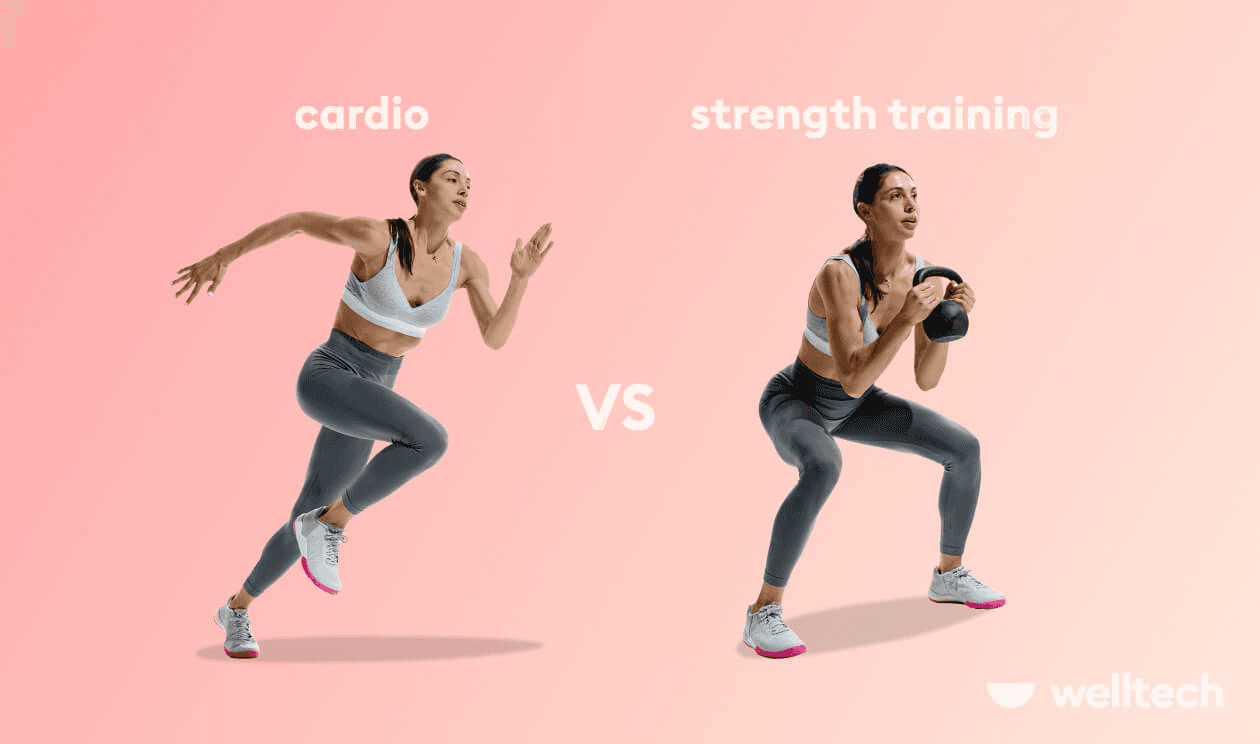
What makes an exercise effective for weight loss?
The bottom line: the best weight-loss exercises burn calories, preserve muscle, and are easy to stick with.
Many people focus only on calorie burn. While calories matter, sustainable fat loss depends on several factors:
Total energy expenditure
Muscle preservation
Workout consistency
Recovery demands
Enjoyment and adherence
For example, a workout that burns 700 calories sounds impressive. But if it leaves you too sore to train for three days, it may not be as effective as a workout you can perform regularly.
Research consistently shows that long-term consistency beats short-term intensity when it comes to weight loss.
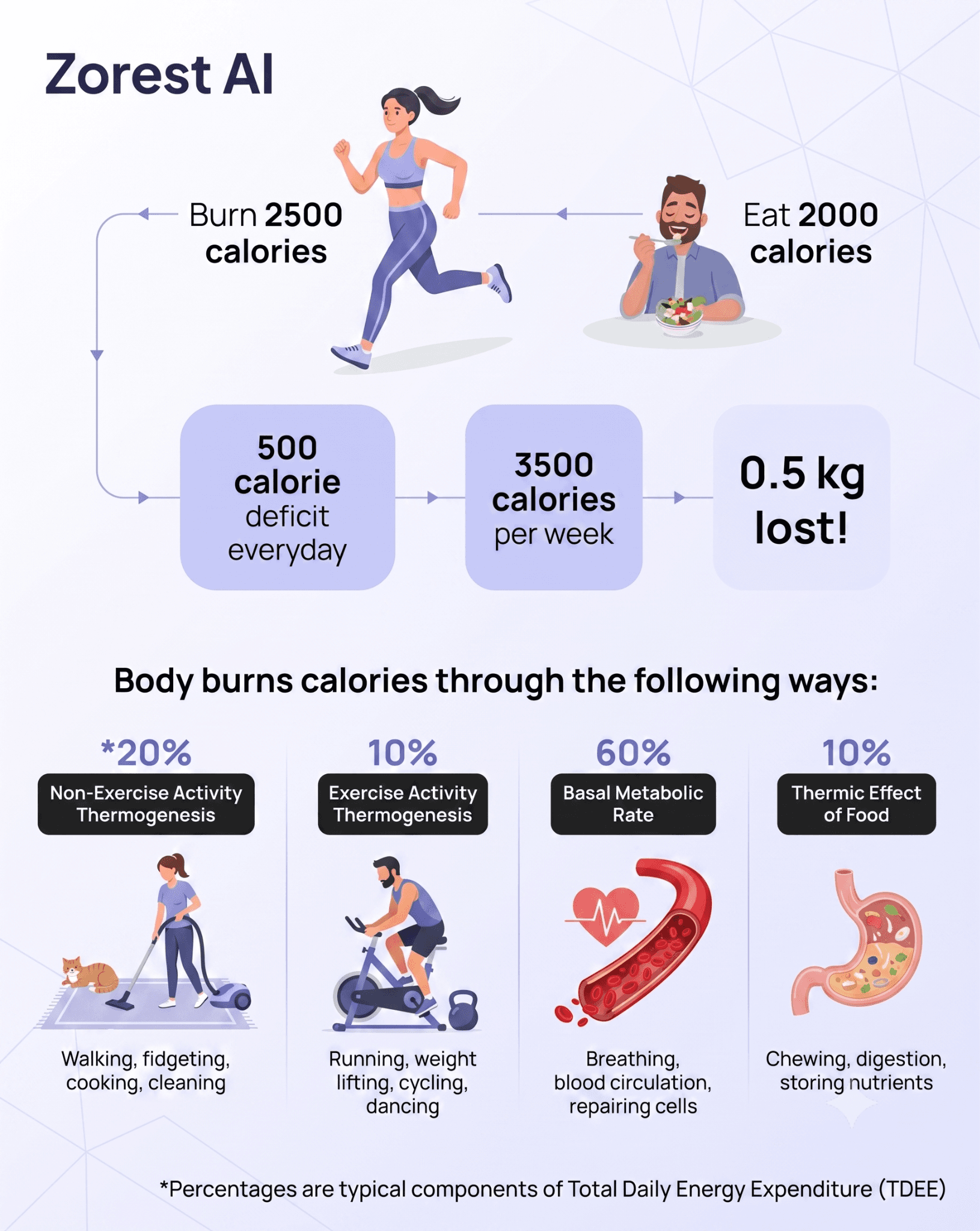
Walking
Walking is one of the most underrated exercises for weight loss.
Many people dismiss it because it doesn't feel intense. Yet walking can significantly increase daily calorie expenditure without stressing your joints or recovery system.
Benefits of walking:
Beginner-friendly
Low injury risk
Easy to maintain daily
Doesn't increase hunger as much as intense workouts
Improves cardiovascular health
A 155-pound (70 kg) person burns approximately:
Duration | Calories Burned |
30 minutes | 120–170 |
60 minutes | 240–340 |
90 minutes | 360–500 |
What makes walking powerful is volume. A daily 45-minute walk can create meaningful calorie expenditure over weeks and months.
I often recommend walking as the foundation of any weight-loss plan because it's one of the few activities most people can do every day.
Strength training
If I could only recommend one type of exercise for fat loss, strength training would be near the top of the list.
The goal of weight loss shouldn't simply be to lose weight. The goal should be to lose fat while keeping muscle.
Strength training helps you:
Preserve lean muscle mass
Maintain metabolic rate
Improve body composition
Increase strength and function
Prevent the "skinny-fat" appearance
Common exercises include:
Squats
Deadlifts
Lunges
Bench press
Push-ups
Rows
Shoulder press
While strength training doesn't always burn as many calories during the workout as cardio, it helps your body maintain muscle while dieting.
That's a major advantage because muscle tissue requires energy to maintain.

Running
Running remains one of the highest calorie-burning exercises available.
Depending on pace and body weight, running can burn:
Duration | Calories Burned |
30 minutes | 300–500 |
60 minutes | 600–1,000 |
Running benefits include:
High calorie burn
Improved cardiovascular fitness
Minimal equipment needed
Time efficient
However, running isn't ideal for everyone.
People carrying significant excess weight may experience joint discomfort. In these cases, lower-impact options often provide a better starting point.
The best running strategy for weight loss is gradual progression rather than immediately attempting long distances.
Cycling
Cycling offers many of the calorie-burning benefits of running with less impact on the joints.
Whether performed outdoors or on a stationary bike, cycling can burn substantial calories while improving endurance.
Average calorie burn:
Duration | Calories Burned |
30 minutes | 250–400 |
60 minutes | 500–800 |
Cycling is especially useful for:
People with knee issues
Overweight beginners
Cross-training athletes
Individuals who enjoy outdoor exercise
Enjoyment matters more than many people realize. An exercise you genuinely enjoy is one you're more likely to continue.
Swimming
Swimming provides a full-body workout while remaining incredibly joint-friendly.
The water creates resistance, forcing multiple muscle groups to work simultaneously.
Benefits include:
Full-body muscle engagement
High calorie expenditure
Low impact
Improved cardiovascular fitness
Suitable for many fitness levels
A moderate swimming session can burn:
400–700 calories per hour
Different strokes burn different amounts of energy. Butterfly generally burns the most, while breaststroke tends to be more moderate.

High-intensity interval training (HIIT)
HIIT alternates short bursts of intense exercise with recovery periods.
A typical HIIT session might include:
30 seconds sprinting
60 seconds walking
Repeat for 15–20 minutes
Popular HIIT exercises include:
Burpees
Jump squats
Mountain climbers
Kettlebell swings
Sprint intervals
Benefits:
Time efficient
High calorie burn
Improves cardiovascular fitness
Can increase post-exercise calorie expenditure
However, HIIT isn't automatically superior to traditional cardio.
Many people hear about HIIT and assume more intensity equals more fat loss. In reality, the best choice depends on what you can recover from and repeat consistently.
Rowing
Rowing combines strength and cardio into a single workout.
It activates:
Legs
Glutes
Back
Core
Arms
This full-body involvement makes rowing one of the most efficient calorie-burning exercises available.
Average calorie burn:
400–800 calories per hour
Rowing machines are especially useful for people seeking low-impact alternatives to running.
Jump rope
Jump rope delivers remarkable calorie burn in a short period.
Ten minutes of vigorous jump rope can rival the calorie expenditure of a much longer jogging session.
Benefits include:
Affordable
Portable
High calorie burn
Improves coordination
Enhances cardiovascular fitness
Estimated calorie burn:
600–1,000 calories per hour
The challenge is that beginners may need time to develop coordination and endurance.
Sports that support weight loss
Exercise doesn't need to happen in a gym.
Many recreational sports burn substantial calories while making exercise feel less like work.
Great options include:
Basketball
Soccer
Tennis
Pickleball
Badminton
Volleyball
The biggest advantage is adherence.
When people enjoy an activity, they rarely need motivation to continue doing it.
Which exercise burns the most calories?
The answer depends on your body weight, fitness level, and workout intensity.
Generally, the highest calorie-burning activities include:
Exercise | Calories Burned Per Hour |
Running | 600–1,000 |
Jump Rope | 600–1,000 |
HIIT | 500–900 |
Swimming | 400–700 |
Cycling | 500–800 |
Rowing | 400–800 |
Walking | 240–500 |
Remember that calorie burn estimates vary significantly from person to person.
The best exercise is rarely the one with the highest theoretical calorie burn. It's the one you can consistently perform week after week.
How to build the ideal weight-loss workout plan
For most people, a balanced approach works best.
A simple weekly structure might look like:
Monday
Strength training
Tuesday
45-minute walk
Wednesday
Strength training
Thursday
Cycling or swimming
Friday
Strength training
Saturday
Long walk or recreational sport
Sunday
Active recovery
This combination helps:
Burn calories
Preserve muscle
Improve cardiovascular health
Reduce injury risk
Improve long-term adherence
Common exercise mistakes that slow weight loss
Doing only cardio
Cardio helps burn calories, but neglecting strength training can increase muscle loss during dieting.
Ignoring recovery
More exercise isn't always better. Recovery allows your body to adapt and perform better.
Overestimating calorie burn
Fitness trackers often overestimate calories burned. Use estimates cautiously.
Choosing workouts you hate
The perfect workout plan on paper is useless if you quit after two weeks.
Relying solely on exercise
Exercise supports weight loss, but nutrition remains the primary driver of fat loss.
You can't out-train a consistently excessive calorie intake.
Final thoughts
The best exercise for weight loss isn't running, cycling, HIIT, swimming, or strength training alone.
It's the combination of activities you enjoy enough to perform consistently while supporting a calorie deficit.
For most people, the most effective strategy combines strength training, regular walking, and a form of cardio they genuinely enjoy. That approach burns calories, preserves muscle, and creates a routine that's sustainable for years rather than weeks.
Remember: successful weight loss comes from consistency, not perfection.